Advanced Hands-Free Control Technology
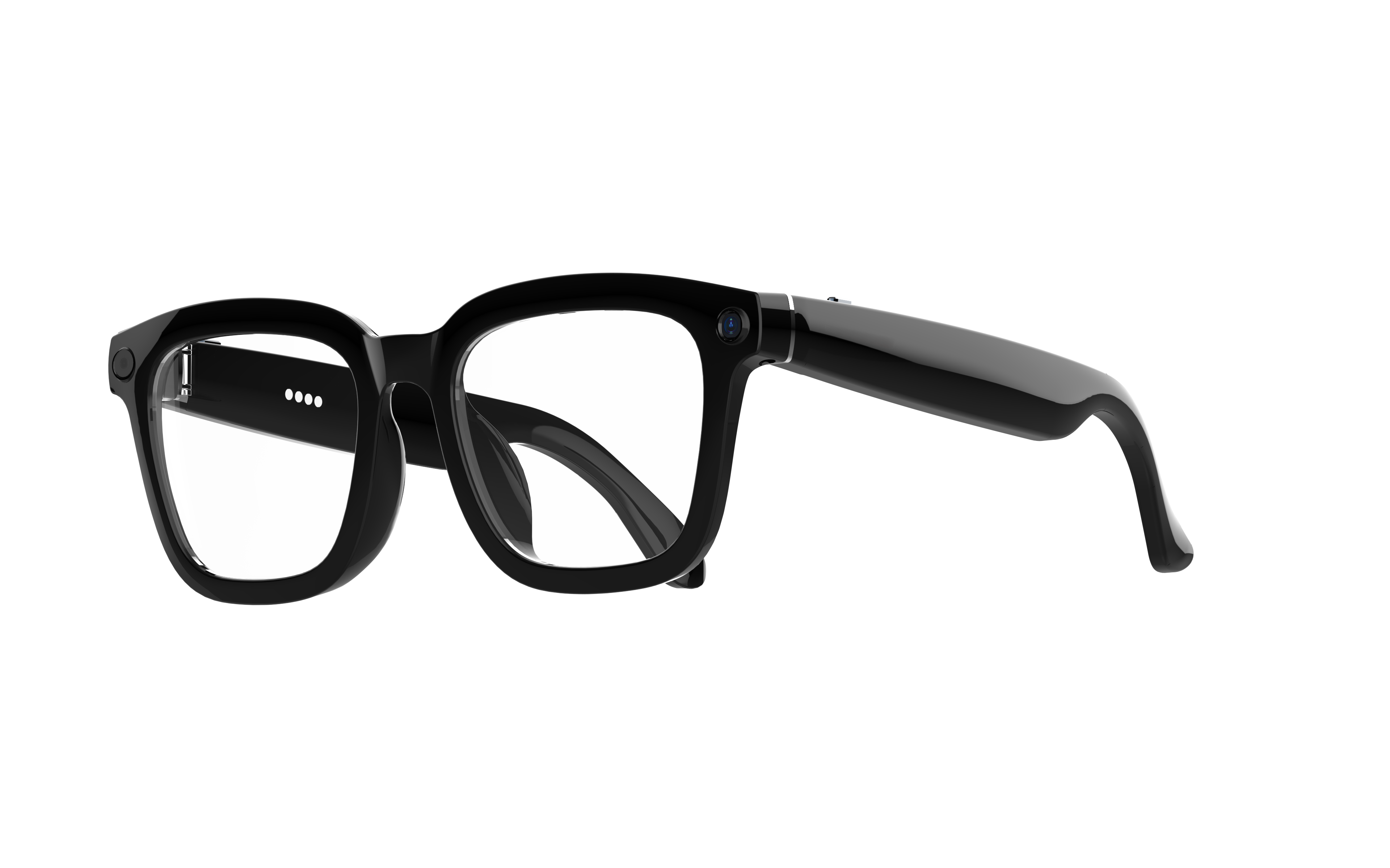
The sophisticated hands-free control technology integrated into the best smart eye glasses represents a paradigm shift in human-computer interaction, offering users unprecedented freedom to access and manipulate digital information without physical device handling. This revolutionary control system combines multiple input methods including advanced voice recognition, precise eye tracking, intuitive gesture detection, and contextual awareness to create a natural and responsive user interface that adapts to individual preferences and usage patterns. The voice control capabilities utilize state-of-the-art natural language processing algorithms that understand complex commands, contextual requests, and conversational interactions in multiple languages, enabling users to operate the best smart eye glasses through natural speech patterns rather than memorized commands. The system can distinguish between intentional commands and ambient conversation, preventing accidental activation while maintaining high responsiveness to deliberate instructions. The eye tracking technology monitors pupil movement, gaze direction, and blink patterns to enable selection, scrolling, and navigation through visual interfaces using only eye movements, providing an incredibly intuitive control method that feels natural and effortless. This capability proves especially valuable for users with limited mobility or in situations where voice commands might be inappropriate or ineffective. The gesture recognition system employs advanced computer vision algorithms to interpret hand movements, finger positions, and spatial gestures, allowing users to interact with virtual interfaces through natural motions that mirror real-world object manipulation. The best smart eye glasses can detect subtle gestures like pinching, swiping, pointing, and grasping motions, translating these actions into precise digital commands that control applications and content. The contextual awareness features utilize artificial intelligence and machine learning to anticipate user needs based on location, time, activity patterns, and personal preferences, proactively providing relevant information and suggestions without explicit requests. This intelligent assistance reduces the cognitive load on users while enhancing the overall experience through predictive functionality. The hands-free control technology also incorporates biometric security measures that ensure only authorized users can access sensitive information and perform critical functions. The combination of these control methods creates redundancy and flexibility, allowing users to choose the most appropriate interaction method for their current situation and environment while maintaining consistent functionality across all scenarios.
 Shenzhen Qianlang Era Technology Co., Ltd.


 EN
EN