Revolutionary Intelligent Devices: Advanced AI Technology for Smart Living and Business Solutions

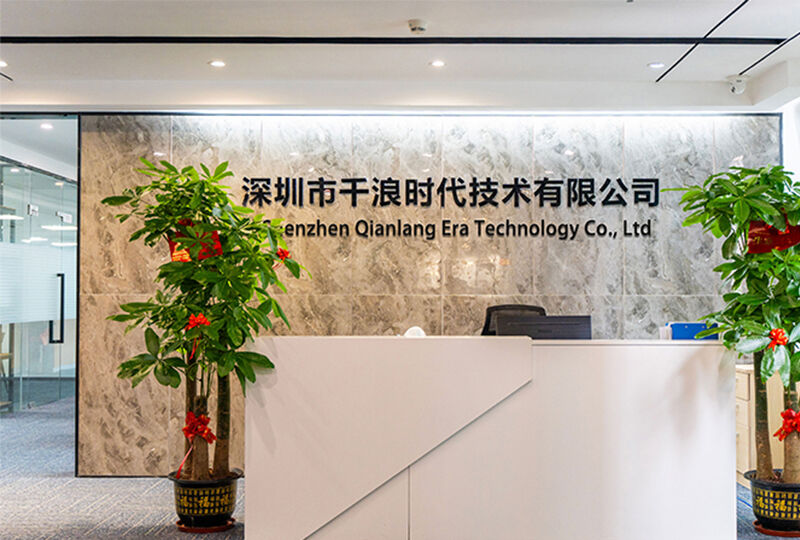
Shenzhen Qianlang Era Technology Co., Ltd. Shenzhen Qianlang Era Technology Co., Ltd.

Get a Free Quote

Our representative will contact you soon.
Email
Name
Company Name
Mobile/WhatsApp
Message
0/1000

intelligent devices

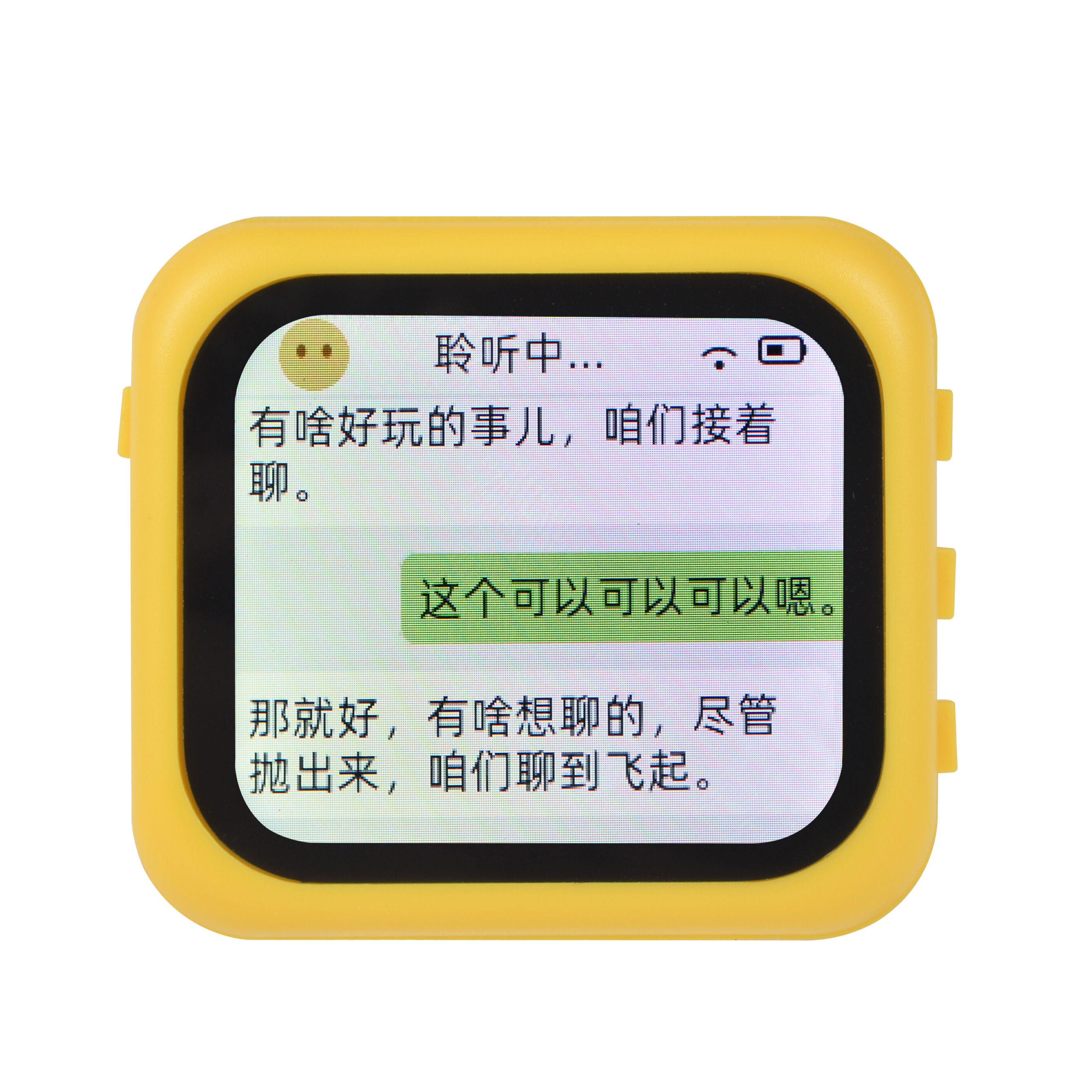
Intelligent devices represent a revolutionary leap in modern technology, transforming how we interact with our environment and manage daily tasks. These sophisticated systems combine artificial intelligence, machine learning, and advanced sensors to create responsive, adaptive solutions that enhance productivity and convenience. At their core, intelligent devices feature powerful processors capable of real-time data analysis, enabling them to learn from user behavior and environmental conditions. The main functions encompass automated decision-making, predictive analytics, voice recognition, gesture control, and seamless connectivity across multiple platforms. These intelligent devices utilize cutting-edge technologies including neural networks, computer vision, natural language processing, and cloud computing infrastructure. The technological architecture incorporates advanced algorithms that process vast amounts of information instantaneously, allowing for contextual understanding and personalized responses. Modern intelligent devices feature multi-modal interfaces, supporting touchscreen interaction, voice commands, and biometric authentication for enhanced security and accessibility. Applications span numerous industries and personal use cases, from smart home automation and healthcare monitoring to industrial process optimization and entertainment systems. In residential settings, these intelligent devices control lighting, temperature, security systems, and appliances through intuitive interfaces and automated scheduling. Healthcare applications include patient monitoring, medication reminders, and emergency response systems that can detect anomalies and alert medical professionals. Business environments benefit from intelligent devices through streamlined operations, predictive maintenance, and data-driven insights that improve efficiency and reduce costs. The integration capabilities allow these intelligent devices to communicate with existing infrastructure, creating comprehensive ecosystems that adapt to specific requirements. Advanced encryption and privacy protection ensure secure data handling while maintaining optimal performance across diverse operational conditions.

Popular Products

The advantages of intelligent devices extend far beyond basic automation, delivering measurable improvements in efficiency, cost savings, and quality of life. These systems dramatically reduce manual workload by handling routine tasks automatically, freeing users to focus on higher-value activities and creative pursuits. Energy consumption drops significantly as intelligent devices optimize resource usage based on actual needs rather than preset schedules, resulting in lower utility bills and reduced environmental impact. The predictive capabilities prevent costly breakdowns and maintenance issues by identifying potential problems before they escalate into major repairs. Users experience enhanced safety through continuous monitoring and instant alerts for security breaches, environmental hazards, or medical emergencies. Intelligent devices provide unprecedented convenience by learning individual preferences and adjusting settings automatically, eliminating the need for constant manual adjustments. Productivity increases substantially as these systems streamline workflows, automate repetitive processes, and provide real-time insights for better decision-making. The adaptive learning algorithms ensure that performance improves over time, becoming more accurate and efficient as they gather more data about user patterns and environmental conditions. Remote access capabilities allow users to monitor and control their intelligent devices from anywhere in the world, providing peace of mind and operational flexibility. Integration benefits create synergistic effects when multiple intelligent devices work together, amplifying individual capabilities and creating comprehensive solutions that address complex challenges. Cost-effectiveness becomes apparent through reduced labor requirements, lower maintenance expenses, and improved resource utilization that pays for the initial investment over time. The scalability of intelligent devices means they can grow with changing needs, adding new functions and capabilities without requiring complete system replacements. Data-driven insights generated by these systems help users understand usage patterns, identify optimization opportunities, and make informed decisions about future improvements. Accessibility features make intelligent devices valuable for people with disabilities, providing alternative interaction methods and assistance with daily tasks that might otherwise be challenging.

Latest News

AI-Powered Consumer Electronics Pioneer: Shaping the Future of Smart Living

19

Dec

AI-Powered Consumer Electronics Pioneer: Shaping the Future of Smart Living

View More
Deep Voice: Travel-Focused AI Translation to Beat Language Barriers

02

Dec

Deep Voice: Travel-Focused AI Translation to Beat Language Barriers

View More
Unlock the Future of AI: Our Alibaba International Station Debuts a Game-Changing Portfolio of Smart Devices

27

Nov

Unlock the Future of AI: Our Alibaba International Station Debuts a Game-Changing Portfolio of Smart Devices

View More

Get a Free Quote

Our representative will contact you soon.
Email
Name
Company Name
Mobile/WhatsApp
Message
0/1000

intelligent devices

Advanced Machine Learning Capabilities Transform User Experience

Advanced Machine Learning Capabilities Transform User Experience

The machine learning capabilities of intelligent devices represent a paradigm shift in how technology adapts to human behavior and preferences. These sophisticated systems continuously analyze user interactions, environmental data, and operational patterns to create increasingly personalized experiences that evolve organically over time. Unlike traditional static programming, intelligent devices employ neural networks and deep learning algorithms that process millions of data points to identify subtle patterns and correlations that human programmers might overlook. The learning process begins immediately upon installation, with the system observing user habits, timing preferences, and environmental responses to build comprehensive behavioral models. This continuous learning enables intelligent devices to anticipate needs before they are explicitly expressed, automatically adjusting settings based on contextual cues such as time of day, weather conditions, or detected activities. The predictive analytics component analyzes historical data to forecast future requirements, enabling proactive adjustments that enhance comfort and efficiency while preventing potential issues. Advanced pattern recognition allows these intelligent devices to distinguish between different users, adapting responses and settings to individual preferences within shared environments. The self-optimization feature continuously refines algorithms based on performance feedback, ensuring that accuracy and effectiveness improve steadily over time without requiring manual updates or reconfiguration. Machine learning capabilities extend to anomaly detection, where intelligent devices can identify unusual patterns that might indicate security threats, equipment malfunctions, or health emergencies, triggering appropriate responses automatically. The adaptive nature of these systems means they can handle changing circumstances gracefully, adjusting to new routines, seasonal variations, or lifestyle changes without losing effectiveness. Cloud-based learning networks allow individual intelligent devices to benefit from collective insights gathered across entire user communities, accelerating the learning process and improving overall system intelligence.
Seamless Integration and Connectivity Ecosystem

Seamless Integration and Connectivity Ecosystem

The integration capabilities of intelligent devices create powerful ecosystems that transform isolated gadgets into cohesive, collaborative networks that amplify individual device capabilities exponentially. This comprehensive connectivity approach utilizes multiple communication protocols including WiFi, Bluetooth, Zigbee, and cellular networks to ensure reliable connections across diverse environments and usage scenarios. The interoperability standards built into modern intelligent devices enable seamless communication between products from different manufacturers, eliminating compatibility concerns and vendor lock-in situations that traditionally plagued technology adoption. Universal APIs and standardized protocols allow these intelligent devices to share data, coordinate actions, and create complex automation scenarios that span multiple systems and locations. The hub-and-spoke architecture enables centralized control while maintaining distributed intelligence, ensuring that individual intelligent devices can operate independently even when network connectivity is temporarily unavailable. Cross-platform compatibility extends to popular smart home standards, voice assistants, and mobile applications, providing users with flexible control options that align with existing technology preferences and investments. Real-time synchronization ensures that status updates, setting changes, and automated responses propagate instantly across the entire network of connected intelligent devices, maintaining consistency and preventing conflicts between different system components. The scalable architecture accommodates expansion easily, allowing users to add new intelligent devices to existing ecosystems without complex reconfiguration or compatibility testing. Edge computing capabilities distributed across the network reduce latency and improve response times by processing critical decisions locally while leveraging cloud resources for complex analytics and long-term learning. Security protocols implemented throughout the integration framework protect data transmission and device communication through encryption, authentication, and access control mechanisms that maintain privacy while enabling collaboration. The ecosystem approach creates synergistic effects where the combined capabilities of multiple intelligent devices exceed the sum of individual functionalities, enabling sophisticated automation scenarios that would be impossible with standalone systems.
Enhanced Security and Privacy Protection Features

Enhanced Security and Privacy Protection Features

Security and privacy protection in intelligent devices encompasses multiple layers of advanced safeguards designed to protect user data, prevent unauthorized access, and maintain operational integrity in increasingly connected environments. The foundation of this security architecture relies on military-grade encryption protocols that protect all data transmission and storage, ensuring that sensitive information remains confidential even if intercepted by malicious actors. Multi-factor authentication systems require multiple verification methods before granting access to intelligent devices, combining biometric recognition, password protection, and device-specific tokens to create robust barriers against unauthorized entry. Advanced threat detection algorithms continuously monitor network traffic, system behavior, and access patterns to identify potential security breaches or suspicious activities in real-time, triggering immediate protective responses when anomalies are detected. The decentralized security model distributes protection mechanisms across multiple intelligent devices rather than relying on single points of failure, ensuring that compromised individual devices cannot compromise entire networks or expose all user data. Privacy-by-design principles embedded in these intelligent devices ensure that personal information collection is minimized, purpose-limited, and user-controlled, with clear consent mechanisms and granular privacy settings that allow individuals to customize their data sharing preferences. Local processing capabilities enable intelligent devices to perform sensitive operations without transmitting personal data to external servers, keeping private information within user-controlled environments while still delivering advanced functionality. Regular security updates delivered automatically ensure that intelligent devices remain protected against newly discovered vulnerabilities and evolving threat landscapes without requiring user intervention or technical expertise. Secure boot processes and hardware-based security modules provide foundational protection against firmware tampering and unauthorized modification attempts that could compromise device integrity. The audit trail functionality maintains detailed logs of all system activities and access attempts, enabling forensic analysis and compliance reporting while supporting accountability and transparency. Data anonymization techniques employed by intelligent devices ensure that any information shared for system improvement or analytics purposes cannot be traced back to individual users, protecting privacy while enabling beneficial collective learning.

Get a Free Quote

Our representative will contact you soon.
Email
Name
Company Name
Mobile/WhatsApp
Message
0/1000