intelligent electronics
Intelligent electronics represent a revolutionary leap in modern technology, encompassing devices that integrate artificial intelligence, machine learning, and advanced computing capabilities to deliver autonomous decision-making and adaptive functionality. These sophisticated systems combine traditional electronic components with smart algorithms, enabling devices to learn from user behavior, anticipate needs, and optimize performance automatically. The core architecture of intelligent electronics includes embedded processors, sensors, connectivity modules, and AI-powered software that work seamlessly together to create responsive, intuitive user experiences. Main functions of intelligent electronics span across multiple domains, including automated environmental control, predictive maintenance, voice recognition, gesture control, and real-time data analysis. These devices excel at pattern recognition, allowing them to identify usage trends and adjust operations accordingly. Smart thermostats exemplify this technology by learning household schedules and preferences to optimize energy consumption while maintaining comfort levels. Technological features that define intelligent electronics include edge computing capabilities, which process data locally for faster response times, advanced sensor arrays for comprehensive environmental monitoring, wireless connectivity protocols for seamless integration with other smart devices, and adaptive learning algorithms that continuously improve performance. Many intelligent electronics incorporate natural language processing, enabling voice commands and conversational interfaces that make technology more accessible to users of all technical skill levels. Applications of intelligent electronics are virtually limitless, ranging from smart home automation systems that control lighting, security, and entertainment to industrial IoT devices that monitor equipment health and predict failures before they occur. In healthcare, intelligent electronics power wearable devices that track vital signs and detect anomalies, while in automotive applications, they enable autonomous driving features and predictive maintenance alerts. The versatility of intelligent electronics makes them essential components in creating interconnected ecosystems that enhance productivity, safety, and convenience across residential, commercial, and industrial environments.
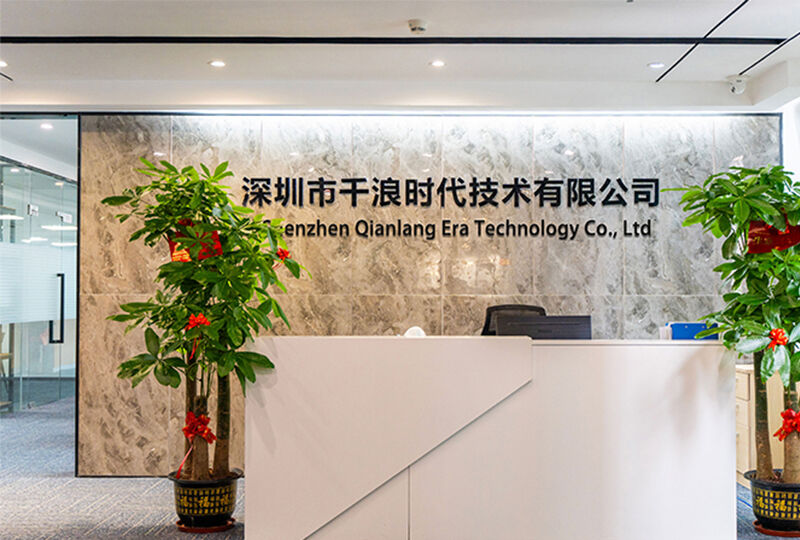
 Shenzhen Qianlang Era Technology Co., Ltd.





 EN
EN