Intelligent Context-Aware Computing Platform
The most advanced smart glasses incorporate sophisticated artificial intelligence capabilities that transform them into intelligent computing platforms capable of understanding user context, environment, and intent. The integrated neural processing unit handles complex machine learning algorithms locally, ensuring rapid response times and maintaining user privacy by processing sensitive data on-device rather than transmitting it to remote servers. Advanced computer vision systems analyze the surrounding environment in real-time, identifying objects, text, faces, and spatial relationships to provide contextually relevant information and assistance. The most advanced smart glasses leverage natural language processing to understand spoken commands in multiple languages and dialects, enabling global accessibility and reducing communication barriers in international business environments. Predictive algorithms learn from user behavior patterns to anticipate information needs and proactively present relevant data before explicit requests, streamlining workflows and reducing cognitive load. The intelligent platform integrates seamlessly with enterprise resource planning systems, customer relationship management databases, and cloud-based productivity suites to provide comprehensive business intelligence directly within the user's field of view. Machine learning models continuously adapt to individual usage patterns, optimizing battery management, display preferences, and notification priorities based on personal workflows and environmental conditions. The most advanced smart glasses feature advanced spatial computing capabilities that create persistent digital anchors within physical spaces, enabling users to place virtual notes, markers, and collaborative content that remains accurately positioned relative to real-world objects. Gesture recognition systems interpret hand movements and finger positions through integrated cameras and depth sensors, providing intuitive manipulation of virtual objects and interface elements without requiring additional controllers or input devices. The intelligent platform supports multi-modal interaction combining voice, gesture, eye-tracking, and touch inputs to accommodate diverse user preferences and accessibility requirements, ensuring inclusive design principles that benefit users with varying physical capabilities and technological comfort levels.
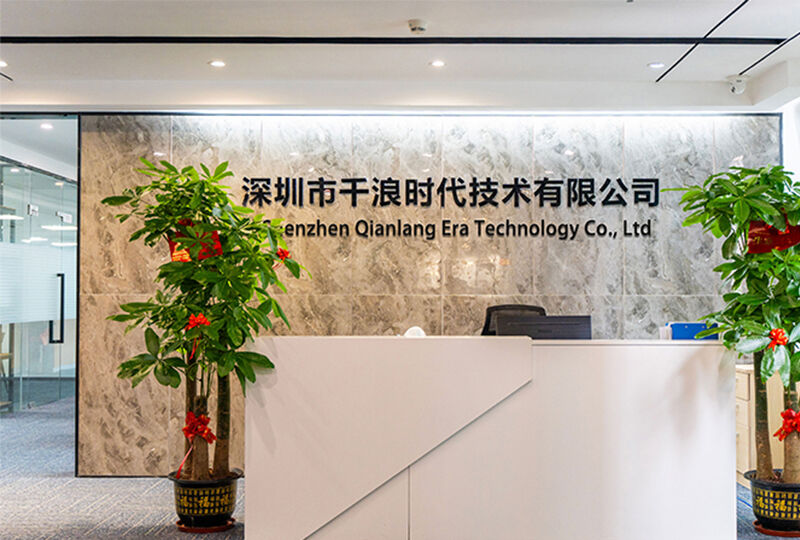
 Shenzhen Qianlang Era Technology Co., Ltd.



 EN
EN