Small Consumer Electronics: Advanced Portable Technology for Modern Lifestyles

Shenzhen Qianlang Era Technology Co., Ltd. Shenzhen Qianlang Era Technology Co., Ltd.

Get a Free Quote

Our representative will contact you soon.
Email
Name
Company Name
Mobile/WhatsApp
Message
0/1000

small consumer electronics

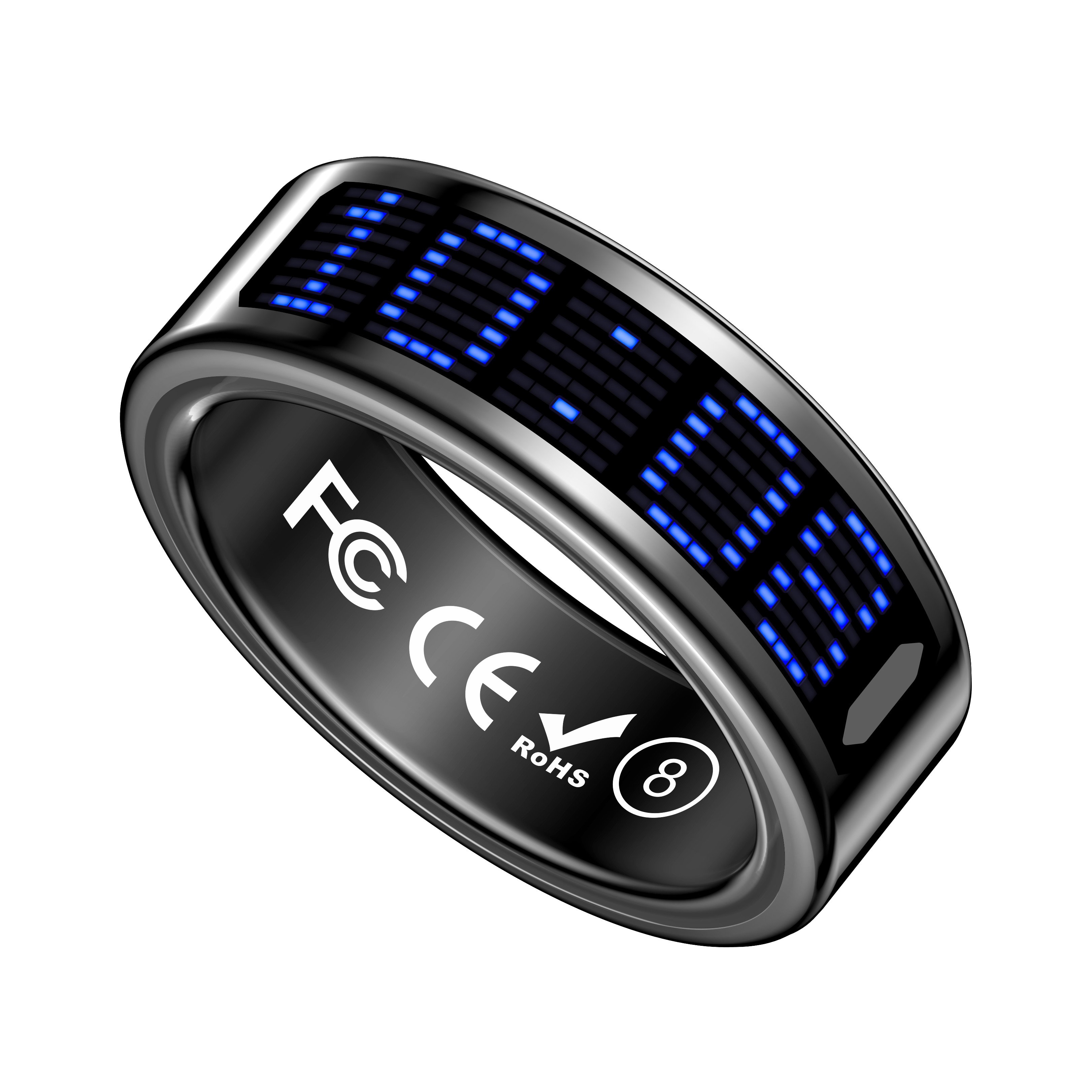
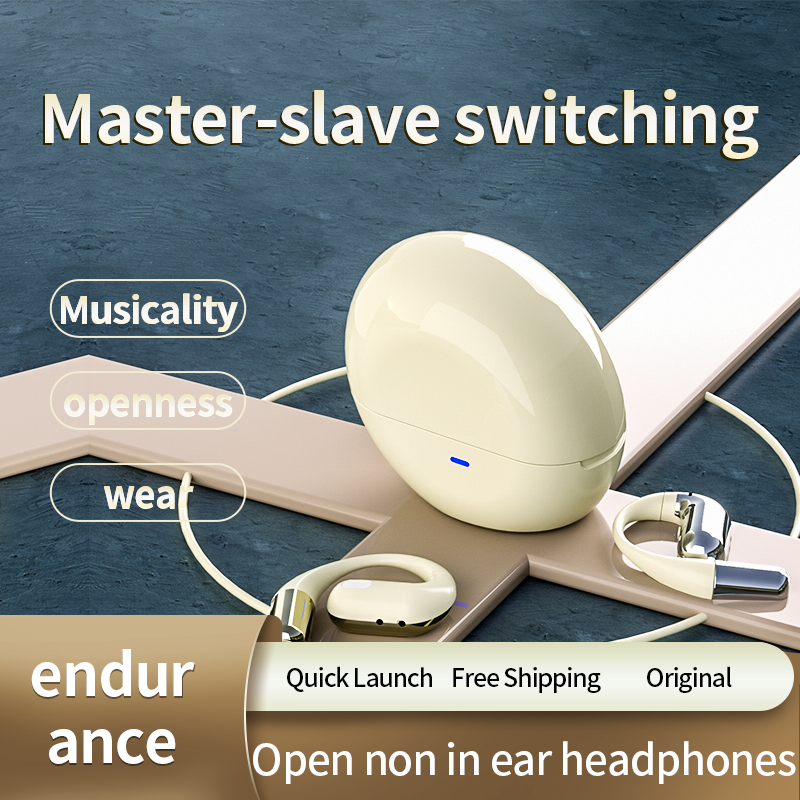
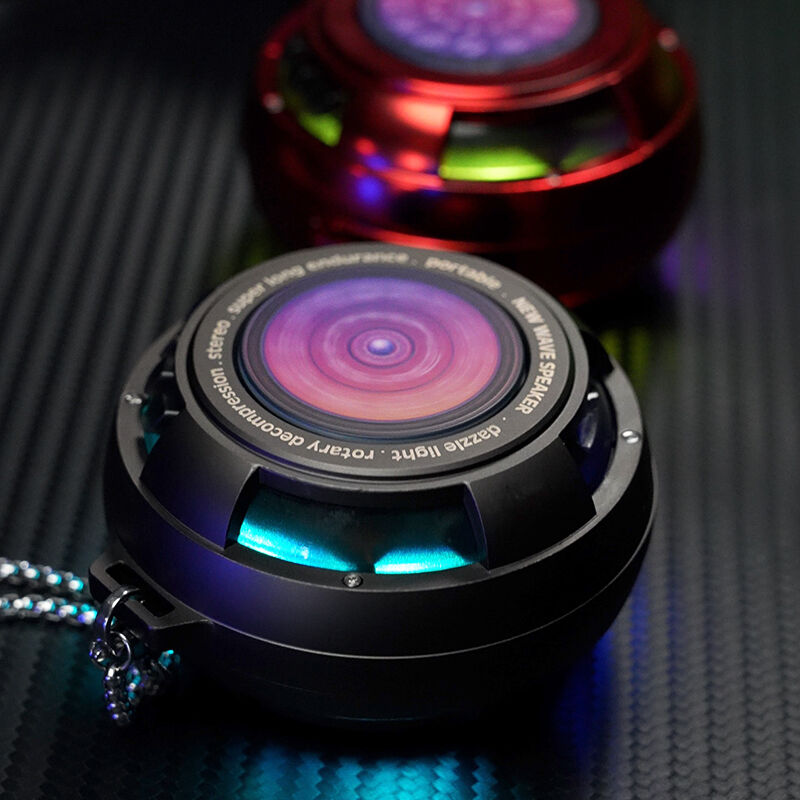
Small consumer electronics represent a dynamic category of compact, portable devices that have revolutionized how people interact with technology in their daily lives. These miniaturized gadgets encompass a vast array of products including smartphones, wireless earbuds, smartwatches, fitness trackers, portable speakers, power banks, gaming handhelds, and compact cameras. The defining characteristic of small consumer electronics lies in their ability to pack sophisticated functionality into remarkably compact form factors, making them highly portable and convenient for modern lifestyles. These devices leverage cutting-edge miniaturization technologies, advanced semiconductor components, and innovative engineering solutions to deliver powerful performance despite their size constraints. The technological features of small consumer electronics include high-efficiency processors, enhanced battery management systems, wireless connectivity options like Bluetooth and Wi-Fi, touchscreen interfaces, voice recognition capabilities, and integrated sensors for various monitoring functions. Modern small consumer electronics utilize advanced materials such as lightweight alloys, durable plastics, and premium glass composites to ensure durability while maintaining portability. Applications for these devices span across numerous sectors including personal entertainment, health monitoring, communication, productivity, gaming, and lifestyle enhancement. The integration of artificial intelligence and machine learning algorithms has further expanded the capabilities of small consumer electronics, enabling predictive features, personalized experiences, and adaptive functionality. Cloud connectivity allows these devices to access vast computing resources and storage capabilities beyond their physical limitations. The ecosystem approach adopted by manufacturers ensures seamless integration between different small consumer electronics, creating interconnected networks that enhance user experience and functionality. Battery technology advancements have significantly improved the operational duration of small consumer electronics, with many devices now offering all-day usage on a single charge. The rapid evolution of small consumer electronics continues to drive innovation in materials science, user interface design, and sustainable manufacturing practices, positioning these devices as essential components of contemporary digital lifestyle.

Popular Products

Small consumer electronics offer numerous compelling advantages that make them indispensable for contemporary users seeking convenience, functionality, and enhanced lifestyle experiences. The portability factor stands as the primary benefit, allowing users to carry powerful technology wherever they go without burden or inconvenience. This mobility enables constant connectivity and access to digital services, entertainment, and productivity tools regardless of location. The compact design of small consumer electronics ensures they fit seamlessly into pockets, bags, or small spaces, making them perfect companions for travel, work, or daily activities. Energy efficiency represents another significant advantage, as manufacturers have optimized these devices to deliver maximum performance while consuming minimal power, resulting in extended battery life and reduced environmental impact. The user-friendly interfaces incorporated into small consumer electronics eliminate complexity and make advanced technology accessible to users of all skill levels, removing barriers that traditionally prevented widespread adoption. Cost-effectiveness emerges as a crucial benefit, with many small consumer electronics providing exceptional value by combining multiple functions into single devices, eliminating the need for separate gadgets and reducing overall expenses. The rapid charging capabilities built into modern small consumer electronics minimize downtime and ensure devices remain functional throughout busy schedules. Wireless connectivity options eliminate cable clutter and provide freedom of movement while maintaining seamless connections to networks, other devices, and cloud services. The durability enhancements incorporated into small consumer electronics protect against daily wear, accidental drops, and environmental factors, ensuring reliable performance over extended periods. Customization features allow users to personalize their devices according to individual preferences, creating unique experiences tailored to specific needs and usage patterns. The ecosystem integration capabilities enable small consumer electronics to work harmoniously with other devices, creating synchronized experiences that amplify functionality and convenience. Regular software updates ensure small consumer electronics remain current with latest features, security enhancements, and performance improvements without requiring hardware replacements. The versatility of small consumer electronics allows them to adapt to various scenarios and requirements, serving multiple purposes and eliminating the need for specialized equipment. These advantages collectively position small consumer electronics as essential tools that enhance productivity, entertainment, communication, and overall quality of life for users across diverse demographics and applications.

Tips And Tricks

AI-Powered Consumer Electronics Pioneer: Shaping the Future of Smart Living

19

Dec

AI-Powered Consumer Electronics Pioneer: Shaping the Future of Smart Living

View More
Deep Voice: Travel-Focused AI Translation to Beat Language Barriers

02

Dec

Deep Voice: Travel-Focused AI Translation to Beat Language Barriers

View More
Unlock the Future of AI: Our Alibaba International Station Debuts a Game-Changing Portfolio of Smart Devices

27

Nov

Unlock the Future of AI: Our Alibaba International Station Debuts a Game-Changing Portfolio of Smart Devices

View More

Get a Free Quote

Our representative will contact you soon.
Email
Name
Company Name
Mobile/WhatsApp
Message
0/1000

small consumer electronics

Advanced Miniaturization Technology Delivers Maximum Performance

Advanced Miniaturization Technology Delivers Maximum Performance

The sophisticated miniaturization technology employed in small consumer electronics represents a remarkable achievement in engineering and design innovation that fundamentally transforms how powerful computing capabilities can be integrated into compact form factors. This technological advancement involves the strategic implementation of cutting-edge semiconductor manufacturing processes that enable the creation of incredibly efficient processors, memory components, and integrated circuits that operate at peak performance levels while occupying minimal physical space. The miniaturization process requires precise engineering techniques that optimize every component layout, thermal management system, and power distribution network to ensure reliable operation without compromising functionality or durability. Small consumer electronics benefit tremendously from these miniaturization breakthroughs, as manufacturers can now incorporate features previously available only in larger devices into portable formats that users can easily carry and operate. The development of advanced lithography techniques, three-dimensional chip architectures, and novel material compositions has enabled the creation of processing units that deliver desktop-class performance while consuming fraction of the power required by traditional components. This technological evolution allows small consumer electronics to handle complex tasks such as high-definition video processing, artificial intelligence computations, advanced gaming graphics, and real-time data analysis without experiencing performance limitations or excessive heat generation. The integration of multiple functions into single chips, known as system-on-chip design, further enhances the capabilities of small consumer electronics by reducing component count, improving reliability, and maximizing available space for additional features like larger batteries or enhanced cooling systems. The miniaturization technology also enables manufacturers to implement sophisticated sensors, cameras, and communication modules that provide comprehensive functionality within extremely compact housings. Users benefit directly from these technological advancements through access to devices that offer professional-grade capabilities in portable packages that integrate seamlessly into daily routines and activities. The continuous evolution of miniaturization technology ensures that small consumer electronics will continue advancing in performance, efficiency, and capability while maintaining the portability and convenience that users demand.
Seamless Ecosystem Integration Creates Unified User Experience

Seamless Ecosystem Integration Creates Unified User Experience

The ecosystem integration capabilities of small consumer electronics create a revolutionary user experience that transcends individual device limitations by establishing interconnected networks of compatible devices that communicate, share data, and coordinate functions seamlessly. This integration approach transforms isolated gadgets into components of a comprehensive digital ecosystem where each device contributes unique capabilities while benefiting from the collective functionality of the entire network. Small consumer electronics designed with ecosystem integration prioritize compatibility protocols, standardized communication interfaces, and shared data formats that enable effortless connectivity between different manufacturers and device categories. The synchronization features allow users to begin tasks on one device and continue seamlessly on another, maintaining context, preferences, and progress across the entire ecosystem without manual intervention or data loss. Cloud-based integration services ensure that small consumer electronics remain synchronized regardless of physical proximity, enabling users to access their digital environment from any location with internet connectivity. The ecosystem approach extends beyond basic data sharing to include coordinated automation, where small consumer electronics can trigger actions on other devices based on user behavior, environmental conditions, or predetermined schedules. This level of integration creates intelligent environments that anticipate user needs and adjust automatically to optimize comfort, productivity, and convenience. Security frameworks built into ecosystem integration ensure that data sharing between small consumer electronics maintains privacy and protection against unauthorized access while enabling legitimate functionality and synchronization. The universal control capabilities allow users to manage multiple small consumer electronics through centralized interfaces, reducing complexity and providing unified management experiences. Cross-platform compatibility ensures that users can mix and match devices from different manufacturers while maintaining integration benefits, preventing vendor lock-in and promoting freedom of choice. The ecosystem integration also enables small consumer electronics to leverage cloud computing resources, artificial intelligence services, and data analytics platforms that extend their capabilities far beyond local processing limitations. Users experience enhanced productivity, entertainment, and lifestyle benefits through seamless transitions between devices, coordinated functionality, and intelligent automation that adapts to individual preferences and usage patterns.
Energy Efficient Design Maximizes Performance While Extending Battery Life

Energy Efficient Design Maximizes Performance While Extending Battery Life

The energy efficient design principles implemented in small consumer electronics represent a critical breakthrough that enables these devices to deliver exceptional performance while maintaining extended operational periods on single battery charges, addressing one of the most significant challenges in portable technology development. This efficiency achievement results from comprehensive optimization strategies that encompass hardware selection, software algorithms, power management systems, and intelligent resource allocation techniques that minimize energy consumption without sacrificing functionality or user experience. Small consumer electronics utilize advanced processor architectures that dynamically adjust performance levels based on current demands, scaling processing power up during intensive tasks and reducing consumption during idle periods to maximize battery longevity. The implementation of dedicated low-power modes allows small consumer electronics to maintain essential functions like connectivity monitoring, sensor data collection, and background synchronization while consuming minimal energy during standby periods. Battery technology advancements incorporated into small consumer electronics include high-density lithium-ion cells, intelligent charging controllers, and thermal management systems that optimize charging cycles and prevent degradation over extended usage periods. The software optimization techniques employed in small consumer electronics include efficient algorithms, background task management, and predictive resource allocation that anticipate user needs and prepare systems accordingly while minimizing unnecessary power consumption. Display technology innovations such as OLED screens and adaptive brightness control significantly reduce energy requirements for visual interfaces while maintaining excellent visibility and color accuracy under various lighting conditions. Wireless communication optimization ensures that small consumer electronics maintain connectivity while using minimal power through advanced antenna designs, signal processing improvements, and intelligent connection management that selects optimal networks and protocols. The integration of energy harvesting technologies in some small consumer electronics enables supplemental power generation through solar cells, kinetic energy capture, or wireless charging capabilities that extend operational periods beyond traditional battery limitations. Power management integrated circuits provide sophisticated control over energy distribution, voltage regulation, and component activation, ensuring that small consumer electronics operate at peak efficiency throughout their operational cycles. Users benefit from these energy efficient designs through reduced charging frequency, extended usage periods, and reliable performance that supports demanding applications and intensive usage patterns without compromising portability or convenience.

Get a Free Quote

Our representative will contact you soon.
Email
Name
Company Name
Mobile/WhatsApp
Message
0/1000