 EN

For side sleepers, comfortable overnight listening depends on more than sound quality. A conventional headphone or earbud can press against the ear when the head meets a pillow, making sleep sound playback distracting rather than relaxing. Low profile earbuds can reduce the amount that projects from the ear, while a careful fit helps limit side sleeper pressure. The goal is to make the listening setup unobtrusive, not to eliminate every sensation.
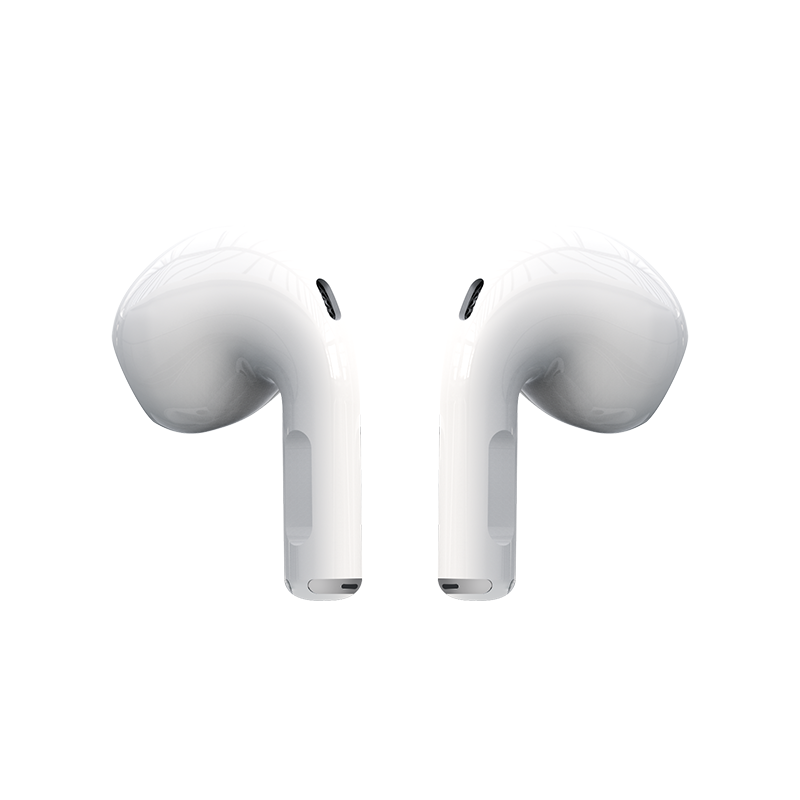
The practical answer is that a flatter earbud profile can help by reducing contact between the device and pillow. However, comfort also depends on ear shape, pillow firmness, insertion depth, and how long playback continues. Choose a headphone based on its fit and physical shape, then test it while lying on each side. That process reveals pressure points before overnight use.
Why contact geometry matters for side sleeping
Projection creates a pressure point
When a sleeper lies on one side, the pillow pushes the outer ear toward the head. A device that protrudes can become a contact point between the pillow and ear, concentrating force in a small area. Low profile earbuds reduce that projection, which may leave more clearance. This can ease side sleeper pressure, especially when the pillow compresses around the ear instead of forcing the device inward.
Shape matters alongside overall size. A rounded housing may sit differently from a flatter housing, even when both devices appear compact. For sleep sound playback, the useful question is not simply whether an earbud is small, but whether it remains within the ear's natural outline when fitted. Check how the edges meet the ear and whether the device shifts when you turn your head.
Fit distributes force across the ear
A secure fit can prevent an earbud from rocking or slipping as the sleeper changes position. At the same time, an overly tight tip may create its own discomfort. Low profile earbuds should feel stable without requiring deep insertion or persistent adjustment. Testing several included tip sizes, where available, can help balance retention and comfort, reducing side sleeper pressure without relying on force to hold the device in place.
Ear anatomy varies, so another person's comfortable setup may not work for you. Test each side separately because ears can differ in shape and sensitivity. A headphone that feels unobtrusive while sitting upright may press against the pillow when you lie down. Compare both sides in your usual position, and stop the test if you notice pain, numbness, or lingering soreness.
How low-profile earbuds support overnight playback
Choose a profile that clears the pillow
Inspect the housing before focusing on features such as controls or finish. A low, smooth exterior is less likely to catch on fabric or become a hard point under a pillow. Low profile earbuds may therefore suit sleep sound playback better than a bulky design, but the result depends on the angle of your ear and the cushion around your head. Fit should be judged in the intended sleeping position.
Try the device with your normal pillow rather than a showroom-style upright fit. Rest on one side for several minutes, then turn to the other and notice whether the shell touches the pillow. Side sleeper pressure may change with pillow firmness and loft: a very compressible pillow can surround the ear, while a firmer surface may push more directly against it. Make gradual adjustments rather than pressing the earbud deeper.
Keep sound and controls comfortable
Sleep sound playback should be easy to start and adjust without repeated handling. Simple controls can reduce the need to touch the ear during settling, while a timer or device setting can end playback after a chosen period. These features do not change the physical fit, but they can make a sleep routine less disruptive. Keep volume at a comfortable level and choose audio that does not require frequent changes.
Wireless listening also means there is no cable to tug as you turn, but the earbud still needs a stable position. Low profile earbuds are most useful when their housing stays clear of the pillow and their fit does not loosen during ordinary movement. Try a short session before relying on them through the night. If pressure builds, remove the device and reassess rather than expecting the ear to adapt.
Build a safer, more comfortable listening routine
Test the complete sleep setup
Evaluate the earbud, pillow, and playback settings together, since changing one can affect the others. Begin with a brief test while lying in your usual position, then check for hotspots after turning over. Side sleeper pressure that appears only after several minutes may be easy to miss in a quick fit check. Record which side, pillow, and tip combination feels most comfortable so you can repeat a successful setup.
Keep the ear and device clean, and follow the care guidance supplied with the product. Moisture, debris, or a damaged tip can affect both comfort and fit. If you develop persistent irritation or discomfort, discontinue use and consider advice from a qualified health professional. The purpose of sleep sound playback is to support a restful routine, not to mask pain or encourage prolonged use through discomfort.
Match playback duration to your routine
Set audio duration around your actual bedtime needs instead of assuming sound must play continuously. A sleep timer can reduce the time the device is worn, while low volume may make listening less intrusive. Low profile earbuds address the physical outline, but they cannot guarantee comfort for every ear or sleeping position. Review the fit after changes to your pillow, tips, or bedtime habits.
FAQ
Do flatter earbuds always prevent pressure when sleeping on your side?
No. A flatter profile can reduce protrusion, but pillow firmness, ear anatomy, and fit still matter. Test side sleeper pressure on both sides before using the device for a full night.
How should I test earbuds for overnight listening?
Try a short period on your usual pillow, turn to each side, and check for discomfort or movement. Confirm that sleep sound playback is easy to control without repeatedly adjusting the fit.
Can I wear earbuds all night for sleep sounds?
That depends on comfort, device guidance, and personal needs. Consider a timer and remove the earbuds if irritation develops. Low profile earbuds do not remove the need to monitor comfort.