 EN
EN

Modern technology continues to reshape how we interact with digital information, and smart glasses with augmented reality display represent one of the most transformative innovations of our time. These sophisticated wearable devices seamlessly blend digital content with the physical world, creating an immersive experience that turns everyday environments into interactive workspaces. As businesses and consumers increasingly seek hands-free computing solutions, smart glasses with augmented reality display have emerged as powerful tools that enhance productivity, safety, and user engagement across numerous industries.
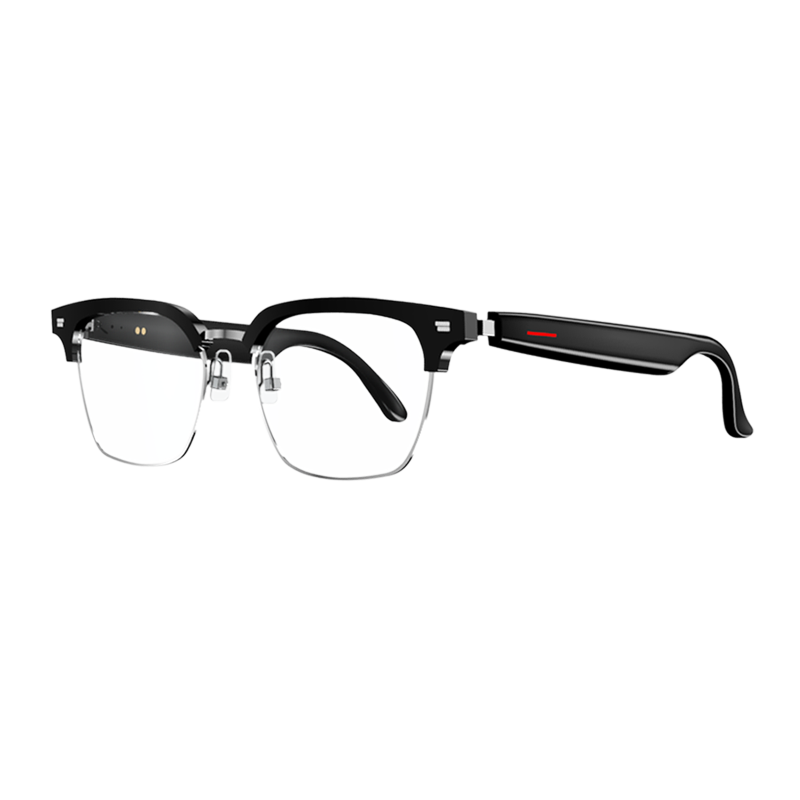
The integration of augmented reality technology into eyewear creates unprecedented opportunities for real-time data visualization and interaction. Unlike traditional screens that require users to look down or away from their tasks, smart glasses with augmented reality display overlay essential information directly within the user's field of vision. This revolutionary approach eliminates the need for constant device switching and enables continuous workflow optimization. The technology leverages advanced optical systems, miniaturized processors, and sophisticated sensors to deliver contextual information precisely when and where users need it most.
Revolutionary Technology Behind Smart Glasses with Augmented Reality Display
Advanced Optical Engineering and Display Systems
The foundation of effective smart glasses with augmented reality display lies in their sophisticated optical architecture. Modern devices utilize waveguide technology, holographic displays, or micro-projectors to create virtual images that appear to float in three-dimensional space. These optical systems must achieve precise calibration to ensure virtual elements align perfectly with real-world objects, creating a seamless augmented experience. The challenge involves maintaining image clarity while keeping the glasses lightweight and comfortable for extended wear periods.
Contemporary smart glasses with augmented reality display incorporate advanced light engines that produce high-resolution imagery with minimal power consumption. The optical components include specialized lenses, beam splitters, and reflective surfaces that direct light precisely to the user's retina. This intricate engineering ensures that digital overlays appear crisp and vibrant while maintaining transparency for clear vision of the surrounding environment. The result is an immersive experience that feels natural and intuitive to users across various lighting conditions.
Processing Power and Computational Capabilities
The computational requirements for smart glasses with augmented reality display demand sophisticated processing architectures that can handle complex real-time calculations. These devices must simultaneously process camera feeds, sensor data, and user inputs while rendering three-dimensional graphics and maintaining stable tracking performance. Modern smart glasses incorporate dedicated graphics processing units, artificial intelligence accelerators, and efficient cooling systems to manage these intensive computational workloads without compromising battery life or user comfort.
Edge computing capabilities within smart glasses with augmented reality display enable immediate response times for critical applications. Local processing reduces dependency on network connectivity and ensures consistent performance even in challenging environments. The integration of machine learning algorithms allows these devices to adapt to user behaviors, optimize display settings, and improve tracking accuracy over time. This intelligent processing creates personalized experiences that become more refined and responsive with continued use.
Industrial Applications and Business Use Cases
Manufacturing and Quality Control Enhancement
Smart glasses with augmented reality display have revolutionized manufacturing environments by providing workers with instant access to assembly instructions, quality specifications, and troubleshooting guidance. Production line employees can view step-by-step procedures directly overlaid on components, reducing errors and accelerating training processes. The technology enables real-time quality inspections by highlighting potential defects and comparing manufactured parts against digital specifications. This hands-free approach improves both accuracy and efficiency while maintaining strict safety protocols in industrial settings.
Quality assurance processes benefit significantly from smart glasses with augmented reality display through automated inspection workflows and digital documentation. Inspectors can capture photos, record measurements, and annotate findings without interrupting their examination procedures. The integration with enterprise systems ensures immediate data synchronization and enables supervisors to monitor quality metrics in real-time. This streamlined approach reduces paperwork, minimizes human error, and creates comprehensive audit trails for regulatory compliance and continuous improvement initiatives.
Remote Assistance and Expert Consultation
Field service technicians equipped with smart glasses with augmented reality display can access remote expert assistance without leaving their work locations. Video calls projected directly into the technician's field of view enable specialists to see exactly what the on-site worker observes while providing real-time guidance and annotations. This capability dramatically reduces travel costs, minimizes equipment downtime, and enables knowledge transfer between experienced professionals and newer team members. The technology proves particularly valuable for complex repairs and maintenance procedures that require specialized expertise.
Remote collaboration through smart glasses with augmented reality display extends beyond technical support to include training, consultation, and project management applications. Subject matter experts can virtually presence themselves at multiple locations simultaneously, providing guidance and oversight across geographically distributed teams. The ability to share visual information bidirectionally creates collaborative environments that bridge physical distances and enable organizations to leverage their best talent regardless of location constraints.
Consumer Applications and Personal Productivity
Navigation and Wayfinding Solutions
Consumer applications of smart glasses with augmented reality display transform how people navigate both familiar and unfamiliar environments. GPS directions appear as virtual arrows and pathways overlaid directly onto streets and walkways, eliminating the need to constantly reference smartphone screens. This hands-free navigation approach improves safety for pedestrians and cyclists while providing more intuitive guidance than traditional map applications. The technology can highlight points of interest, display business information, and provide real-time traffic updates without disrupting the user's natural field of vision.
Indoor navigation capabilities of smart glasses with augmented reality display prove particularly valuable in large facilities such as airports, shopping centers, and corporate campuses. Virtual signage can guide users to specific destinations while providing contextual information about nearby amenities and services. The integration with building management systems enables dynamic routing based on crowd density, facility availability, and personal preferences. This intelligent wayfinding capability reduces stress and improves user experiences in complex environments where traditional signage may be insufficient.
Information Access and Content Consumption
Smart glasses with augmented reality display enable seamless access to digital content without requiring users to divert their attention from ongoing activities. Notifications, messages, and important updates appear discreetly in the peripheral vision area, allowing users to stay informed while maintaining focus on primary tasks. The technology supports voice commands and gesture controls for hands-free interaction, making information access possible even when users cannot reach traditional input devices. This capability proves particularly valuable for professionals who need constant connectivity while performing manual tasks or operating equipment.
Content consumption through smart glasses with augmented reality display extends to entertainment, education, and social media applications. Users can watch videos, read articles, or participate in video calls while multitasking or during commutes. The private display eliminates concerns about screen privacy in public spaces while maintaining high-quality visual experiences. Educational applications can overlay explanatory information onto real-world objects, creating immersive learning experiences that combine theoretical knowledge with practical observation. This contextual learning approach proves more effective than traditional classroom or online instruction methods.
Healthcare and Medical Applications
Surgical Assistance and Medical Training
Healthcare professionals utilize smart glasses with augmented reality display to access patient information, surgical guides, and diagnostic data without breaking sterile protocols or interrupting procedures. Surgeons can view medical imaging, vital signs, and procedural checklists directly overlaid in their field of vision while maintaining focus on the patient. This hands-free access to critical information reduces the risk of contamination and enables more precise, efficient medical procedures. The technology also supports telemedicine applications where remote specialists can provide real-time consultation during complex cases.
Medical training programs incorporate smart glasses with augmented reality display to create immersive educational experiences that combine theoretical knowledge with practical skills development. Students can observe virtual anatomical models overlaid onto cadavers or mannequins, enhancing their understanding of complex medical concepts. The technology enables standardized training scenarios that can be repeated consistently across different learning environments. Instructors can monitor student progress, provide real-time feedback, and ensure comprehensive skill development through interactive training modules that adapt to individual learning styles and progress rates.
Patient Care and Rehabilitation Support
Smart glasses with augmented reality display support patient care through medication reminders, exercise guidance, and therapeutic applications. Physical therapy patients can follow virtual trainers who demonstrate proper movement techniques and provide real-time feedback on form and progress. The technology enables remote monitoring of rehabilitation activities, ensuring patients maintain proper exercise routines between clinic visits. Healthcare providers can track patient compliance and adjust treatment plans based on objective performance data collected through the smart glasses sensors and tracking systems.
Mental health applications of smart glasses with augmented reality display include anxiety management, phobia treatment, and cognitive behavioral therapy support. Controlled virtual environments can help patients practice coping strategies in simulated challenging situations while maintaining the safety and support of therapeutic settings. The technology enables gradual exposure therapy that can be precisely calibrated to individual patient needs and comfort levels. Healthcare providers can monitor patient responses and adjust treatment parameters to optimize therapeutic outcomes while maintaining detailed records for progress tracking and treatment optimization.
Technical Challenges and Future Developments
Battery Life and Power Management
Current smart glasses with augmented reality display face significant challenges related to battery life and power consumption management. The demanding computational requirements for real-time rendering, sensor processing, and wireless connectivity create substantial power demands that must be balanced against the size and weight constraints of wearable devices. Manufacturers continue developing more efficient processors, optimized software algorithms, and advanced battery technologies to extend operational time while maintaining acceptable form factors for daily use.
Future developments in smart glasses with augmented reality display will likely incorporate energy harvesting technologies such as solar cells, kinetic energy capture, and wireless power transmission. These innovations could significantly extend battery life and reduce charging frequency, making the devices more practical for continuous daily use. Additionally, improvements in low-power display technologies and more efficient optical systems will reduce overall power consumption while maintaining or improving visual quality and functionality. The goal is achieving all-day battery life that matches typical smartphone usage patterns.
Privacy and Security Considerations
The widespread adoption of smart glasses with augmented reality display raises important privacy and security concerns that must be addressed through technical and regulatory measures. These devices capture continuous visual and audio information from user environments, creating potential risks for unauthorized surveillance and data breaches. Manufacturers must implement robust encryption, secure data transmission protocols, and transparent privacy controls that give users complete control over information collection and sharing. The challenge involves balancing functionality requirements with privacy protection needs.
Future smart glasses with augmented reality display will incorporate advanced security features such as biometric authentication, secure enclaves for sensitive data processing, and blockchain-based identity management systems. Privacy-preserving computing techniques will enable powerful functionality while protecting user information and maintaining anonymity in public spaces. Regulatory frameworks will likely evolve to establish clear guidelines for acceptable use, data retention policies, and user consent requirements. These developments will be crucial for building public trust and enabling widespread adoption of smart glasses technology.
FAQ
How do smart glasses with augmented reality display differ from virtual reality headsets
Smart glasses with augmented reality display overlay digital information onto the real world while maintaining visibility of the physical environment, whereas virtual reality headsets create completely immersive digital environments that block out the real world. Augmented reality glasses are typically lighter, more portable, and designed for extended daily wear, making them suitable for productivity applications and continuous use. Virtual reality headsets provide more immersive experiences but are generally bulkier and intended for shorter, focused sessions in controlled environments.
What are the main factors to consider when choosing smart glasses with augmented reality display for business use
Key considerations include battery life for full-day operations, display quality and visibility in various lighting conditions, processing power for required applications, and integration capabilities with existing enterprise systems. Durability and safety certifications are crucial for industrial environments, while comfort and weight distribution affect user adoption rates. Additionally, evaluate the development ecosystem, available software applications, and ongoing support services to ensure the platform meets long-term business objectives and growth requirements.
How accurate is the tracking and positioning technology in smart glasses with augmented reality display
Modern smart glasses with augmented reality display achieve millimeter-level tracking accuracy using advanced sensor fusion techniques that combine cameras, accelerometers, gyroscopes, and sometimes depth sensors. The accuracy depends on environmental factors such as lighting conditions, surface textures, and movement speed. Industrial-grade devices often include additional tracking technologies like infrared markers or magnetic positioning systems to achieve even higher precision for critical applications such as surgical procedures or precision manufacturing tasks.
What industries are seeing the fastest adoption of smart glasses with augmented reality display technology
Manufacturing, logistics, healthcare, and field services are experiencing the most rapid adoption due to clear return on investment opportunities and immediate productivity benefits. These industries have specific use cases where hands-free access to information provides significant operational advantages. The aerospace, automotive, and energy sectors also show strong adoption rates, particularly for maintenance, training, and quality control applications. Consumer adoption is growing more gradually as the technology becomes more affordable and applications expand beyond early adopter segments.
Table of Contents
- Revolutionary Technology Behind Smart Glasses with Augmented Reality Display
- Industrial Applications and Business Use Cases
- Consumer Applications and Personal Productivity
- Healthcare and Medical Applications
- Technical Challenges and Future Developments
-
FAQ
- How do smart glasses with augmented reality display differ from virtual reality headsets
- What are the main factors to consider when choosing smart glasses with augmented reality display for business use
- How accurate is the tracking and positioning technology in smart glasses with augmented reality display
- What industries are seeing the fastest adoption of smart glasses with augmented reality display technology