 EN
EN

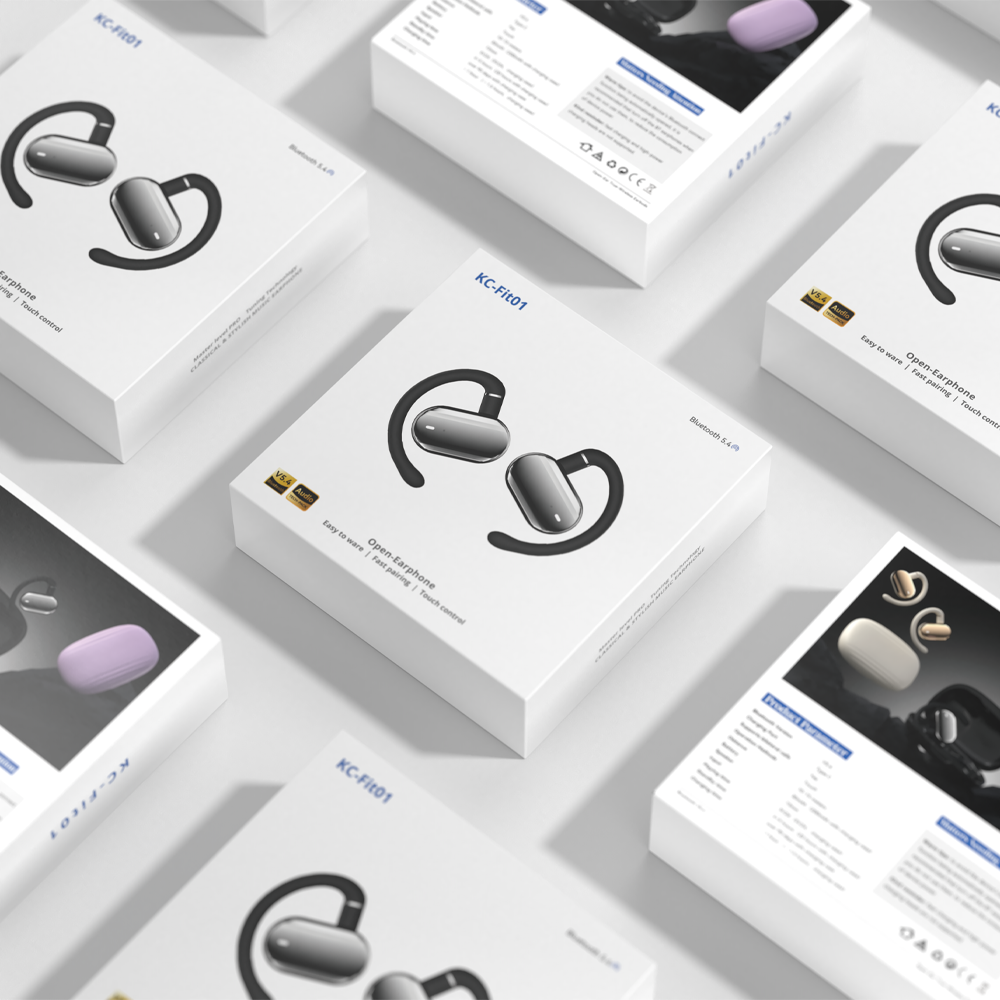
Crossing language barriers has long been one of the most challenging aspects of international travel. Whether navigating a busy train station in Tokyo, bargaining at a market in Istanbul, or asking for directions in rural Portugal, the inability to communicate fluently can turn a simple interaction into a frustrating ordeal. Today, smart earbuds are changing that reality in a profound way, giving multilingual travelers a practical, hands-free tool that processes spoken language in near real time and delivers translated audio directly into the ear. The adoption of this technology has grown rapidly, and understanding exactly how travelers are using it can help anyone planning cross-border trips make more informed, confident decisions.

The mechanics behind real-time translation through smart earbuds involve a carefully orchestrated blend of hardware quality, software intelligence, and wireless connectivity. Unlike bulky translation devices of the past, modern smart earbuds sit comfortably in the ear, connect seamlessly to a paired smartphone application, and leverage cloud-based or on-device language processing engines to interpret and vocalize foreign speech within seconds. For multilingual travelers who move frequently between language environments, this combination of portability and performance has made smart earbuds an indispensable part of their travel toolkit. This article explores precisely how travelers are applying this technology, what makes it work, and what to consider when choosing the right pair for translation use.
The Technology Behind Real-Time Translation in Smart Earbuds
How Speech Recognition Powers the Translation Pipeline
At the heart of any real-time translation experience using smart earbuds is automatic speech recognition, commonly referred to as ASR. When a speaker utters words in a foreign language, the microphones embedded in the earbuds or the paired smartphone capture that audio. The signal is then processed — either on-device or via a connected server — where ASR algorithms convert the raw audio into text. This text is subsequently passed to a machine translation engine, which renders it in the user's preferred language, and the translated output is either displayed on screen or spoken back through the earbuds using text-to-speech synthesis.
The quality of microphone design is critical in this chain. Smart earbuds equipped with ENC, or Environmental Noise Cancellation, can isolate the speaker's voice from surrounding ambient noise — a feature that proves invaluable in crowded airports or noisy street markets. Without effective noise cancellation, ASR systems receive a muddied audio signal, which leads to recognition errors and ultimately inaccurate translations. High-fidelity microphone arrays in premium smart earbuds help ensure that the speech input is clean, sharp, and processed with greater accuracy.
Latency is another dimension that shapes the translation experience. Travelers need responses quickly enough to sustain a natural conversational flow. The best smart earbuds paired with optimized translation apps achieve translation delays of two to five seconds, which is fast enough for most practical exchanges. Achieving this speed depends on both network bandwidth and the efficiency of the translation engine, which is why many platforms have invested in lightweight on-device models for offline scenarios.
Companion Apps and Language Database Depth
The translation functionality in smart earbuds does not reside in the earbuds themselves alone. A dedicated smartphone application serves as the command center, allowing the user to select source and target languages, switch modes, and review transcription history. These apps are updated regularly to expand language databases, and many now support over 40 languages with dialects and regional accent recognition. Travelers who move through linguistically diverse regions benefit enormously from this breadth.
Some apps paired with smart earbuds offer a 'conversation mode,' where two participants each wear a single earbud and speak in their native tongues while the system translates in both directions simultaneously. This creates a more immersive dialogue experience without requiring both parties to huddle over a phone screen. For business travelers, tour guides, or healthcare workers interacting with foreign-language clients, this bilateral translation mode is an especially powerful application of smart earbuds.
Practical Scenarios Where Multilingual Travelers Use Smart Earbuds
Airport and Transit Navigation
International airports are environments of rapid, high-stakes communication. Announcements, gate change notices, immigration questions, and customs inquiries all require accurate language comprehension under pressure. Multilingual travelers using smart earbuds have reported a significantly more confident navigation experience in these settings. When an airline representative speaks in a local language, the traveler's earbuds relay a translated version almost instantly, reducing the chance of missed flights or compliance errors at border checkpoints.
Beyond airports, transit hubs such as train stations, bus terminals, and metro systems in non-English-speaking countries benefit from the same technology. A traveler in Seoul can ask a platform attendant in Korean for schedule information and receive the response translated into English through their smart earbuds before the attendant has even finished speaking. This immediacy transforms what was once an anxiety-inducing scenario into a manageable, even enjoyable part of the journey.
Hospitality, Dining, and Cultural Immersion
Some of the richest travel experiences happen at the dinner table or in local markets. When a traveler can engage with a restaurant owner about traditional recipes, discuss local history with a museum guide, or negotiate respectfully in a street bazaar, the cultural depth of the trip increases exponentially. Smart earbuds enable these interactions without the social awkwardness of constantly looking at a phone screen for text-based translation.
Travelers describe the experience as similar to having a personal interpreter in their ear. The conversation unfolds naturally because both parties maintain eye contact and normal speaking cadences. The smart earbuds handle the linguistic heavy lifting in the background, delivering translated phrases with minimal disruption to conversational rhythm. Many users note that hosts and locals respond more warmly when addressed in their own language, even through a translation intermediary, compared to being met with a blank stare or a translation app held up awkwardly between two people.
For travelers with dietary restrictions, medical conditions, or specific service needs, accurate communication is not just convenient — it is essential. Smart earbuds provide a reliable layer of understanding that helps travelers communicate these needs precisely, avoiding misunderstandings that could otherwise lead to uncomfortable or dangerous outcomes.
Audio Quality Requirements for Effective Translation Use
Why Hi-Fi Sound Matters Beyond Music Playback
It is tempting to evaluate smart earbuds purely on their music performance metrics, but for translation applications, audio output quality has a different kind of importance. The translated speech must be intelligible in a variety of environments — from quiet hotel lobbies to noisy outdoor markets. Earbuds with superior driver technology reproduce spoken audio with greater clarity across frequency ranges, ensuring that synthetic translated voices remain crisp and easy to parse even when the surrounding environment is chaotic.
A 13mm driver, for example, delivers fuller sound reproduction compared to smaller alternatives, which matters when translation audio competes with ambient noise. The smart earbuds designed with Hi-Fi sound standards and ENC call noise cancellation allow travelers to hear translated output cleanly in challenging acoustic conditions, which is exactly what real-world multilingual use demands. Without this acoustic clarity, even an accurate translation may be misheard and misinterpreted.
Battery Life and the Demands of All-Day Translation
Translation use places heavier continuous demands on smart earbuds than passive music listening. The microphone remains active, Bluetooth is in constant communication with the paired device, and the speaker delivers translated audio frequently throughout the day. This combination drains battery faster than typical use patterns, making battery longevity a critical factor when selecting smart earbuds for travel purposes.
Travelers planning full-day excursions need smart earbuds that offer substantial playtime without requiring mid-day recharging. Models with 25 hours or more of total playtime — including the charging case reserve — are well suited to extended travel days. This stamina allows travelers to move through multiple language interactions across an entire day without the anxiety of a depleted battery interrupting a critical conversation. For frequent travelers, this specification is not a luxury feature but a practical necessity.
The charging case design also matters. Compact, pocket-friendly cases allow travelers to carry their smart earbuds effortlessly as part of their daily kit. The ability to top up battery quickly during a cab ride or a meal break ensures that the translation function remains available whenever it is needed most.
Choosing Smart Earbuds That Support Translation Workflows
Connectivity Stability and Bluetooth Performance
Effective real-time translation depends on a stable, low-latency Bluetooth connection between the smart earbuds and the paired smartphone. Interruptions in this connection cause translation delays or dropped audio, which breaks conversational flow at exactly the wrong moment. Travelers should prioritize smart earbuds built on current Bluetooth specifications that offer consistent range and minimal signal degradation when the phone is stowed in a pocket or bag.
Beyond the earbud-to-phone link, many translation applications rely on internet connectivity to access cloud-based language models. In regions with reliable mobile data networks, this architecture delivers excellent translation quality and broad language support. For travel in areas with limited connectivity, choosing smart earbuds whose companion apps support offline language packs is an important consideration that preserves translation functionality regardless of network availability.
Comfort and Wearability During Extended Use
Translation sessions during travel can last hours, especially during guided tours, business meetings, or extended cultural exchanges. The ergonomic design of smart earbuds therefore becomes a practical performance factor. Earbuds that cause discomfort after thirty minutes undermine the entire use case, as users will remove them to rest their ears precisely when translation support is most needed.
Well-designed smart earbuds distribute pressure evenly across the ear canal using multiple tip sizes and ergonomic angles. Lightweight construction further reduces fatigue during long wear sessions. Travelers who plan to use their smart earbuds extensively for translation should test fit carefully and select a size of ear tip that provides both a secure seal — important for acoustic performance — and sustained comfort across hours of use.
Sweat resistance is a secondary but important consideration for travelers moving through hot climates or engaging in active exploration. Smart earbuds with basic moisture protection maintain consistent performance even when worn during physically demanding activities, ensuring that the translation function remains reliable regardless of weather or exertion.
Maximizing the Translation Experience With Smart Earbuds
Best Practices for Reliable Real-Time Translation
To get the most accurate translation output from smart earbuds, travelers benefit from adopting a few straightforward practices. Speaking clearly and at a moderate pace gives the ASR system the cleanest possible input to work with. Avoiding slang, idioms, and highly abbreviated speech reduces the likelihood of translation errors, especially in language pairs where direct equivalents are rare. When accuracy is critical — such as at a medical clinic or legal checkpoint — repeating key phrases and requesting confirmation helps ensure mutual understanding.
Travelers should also invest time in configuring their smart earbuds and companion app before departure. Pre-downloading offline language packs, testing the conversation mode, and familiarizing themselves with the interface reduces friction in the field. Arriving in a new country with a fully charged, properly configured translation setup allows the traveler to engage immediately rather than troubleshooting technology in a stressful, unfamiliar environment.
Combining Smart Earbuds With Other Language Learning Efforts
Experienced multilingual travelers often use smart earbuds not as a replacement for language learning but as a complement to it. Listening to translated output alongside the original spoken language accelerates acquisition of vocabulary, pronunciation, and phrase structure. The earbud becomes a listening classroom that operates in real-world settings, reinforcing language skills in context rather than in an abstract study environment.
Some travelers deliberately disable translation assistance once they feel confident enough to manage a language exchange independently, using their smart earbuds purely for music or ambient noise management at that point. This graduated approach builds genuine multilingual competence over time while ensuring that critical communication is never left unprotected. The versatility of quality smart earbuds — supporting both translation and standard audio use — makes this dual-purpose strategy both practical and cost-effective for regular international travelers.
FAQ
Can smart earbuds translate languages in real time without an internet connection?
Many modern smart earbuds paired with capable translation apps support offline translation through downloadable language packs. While the language library available offline may be smaller than the cloud-based version, common language pairs such as English-Spanish, English-French, and English-Mandarin are widely available for offline use. Travelers heading to areas with unreliable mobile data should download the relevant language packs in advance to ensure uninterrupted translation functionality.
How accurate is real-time translation through smart earbuds in noisy environments?
Accuracy depends heavily on the microphone quality and noise cancellation capabilities of the smart earbuds. Models equipped with ENC technology significantly improve speech recognition accuracy in noisy conditions by filtering out ambient sound before processing. In very loud environments such as live events or construction zones, accuracy may still decline slightly, but in typical travel settings — restaurants, transit hubs, hotel lobbies — quality smart earbuds deliver reliable translation with high intelligibility.
Do both speakers need to wear smart earbuds for translation to work?
Not necessarily. Many translation apps designed for use with smart earbuds operate in a one-sided mode where only the traveler wears the earbuds and the app displays or speaks translated text for the other party to read or hear through the phone speaker. However, the 'conversation mode' available in many apps works best when both participants wear an earbud, enabling fully bilateral audio translation without requiring anyone to look at a screen.
What battery life should travelers look for in smart earbuds used for translation?
For translation-heavy travel days, look for smart earbuds that offer at least eight hours of continuous playtime per charge, with a total case capacity of 20 to 25 hours or more. Translation mode keeps microphones and Bluetooth active continuously, which draws more power than passive listening. A higher total battery reserve in the charging case provides peace of mind for full travel days, ensuring that smart earbuds remain functional from early morning check-outs to late evening dinners.
Table of Contents
- The Technology Behind Real-Time Translation in Smart Earbuds
- Practical Scenarios Where Multilingual Travelers Use Smart Earbuds
- Audio Quality Requirements for Effective Translation Use
- Choosing Smart Earbuds That Support Translation Workflows
- Maximizing the Translation Experience With Smart Earbuds
-
FAQ
- Can smart earbuds translate languages in real time without an internet connection?
- How accurate is real-time translation through smart earbuds in noisy environments?
- Do both speakers need to wear smart earbuds for translation to work?
- What battery life should travelers look for in smart earbuds used for translation?