 EN

A smart ring can stay on during many workouts, but useful exercise tracking depends on more than wearing it. Workout activity logging determines what the device records, while the water resistance rating and sweat exposure durability help define the conditions it can tolerate. Understanding these three factors makes it easier to choose appropriate activities, interpret data, and care for the ring.
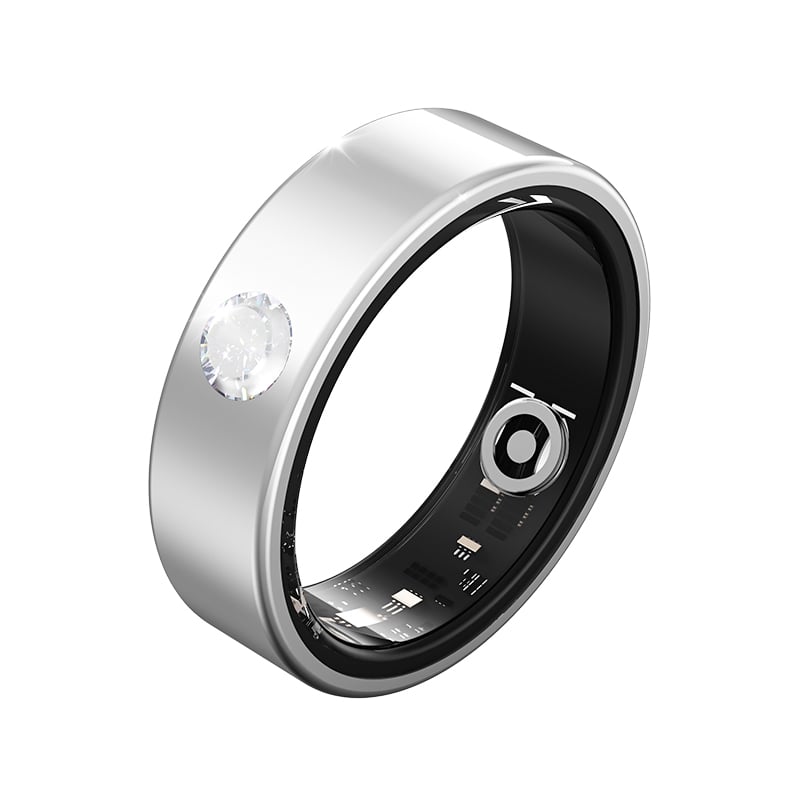
The practical question is not simply whether a ring is exercise-ready. A wearer should consider the workout activity logging available, the actual water resistance rating stated for the model, and how sweat exposure durability holds up with repeated use. These details affect comfort, the reliability of recorded information, and when the ring should be removed or cleaned.
How exercise logging shapes the workout experience
Understand what workout activity logging captures
Workout activity logging may record a selected session, movement, duration, or related body signals, depending on the ring and its software. Before relying on a record, check which activities the device supports and whether sessions must be started manually. A smart ring is compact, but its workout activity logging should not be assumed to match the detailed metrics of every dedicated sports device.
For strength training, a session label and duration may be more useful than precise repetition data. During a run or steady indoor cycling session, workout activity logging can help organize activity alongside broader wellness trends. The water resistance rating does not determine logging accuracy; it addresses exposure limits, so evaluate the recording features and environmental suitability separately.
Fit also matters. A ring that rotates, feels tight as fingers swell, or shifts during gripping may become distracting and could affect the consistency of readings. Check comfort during the movements used in the planned activity, and review how workout activity logging handles pauses, warm-ups, and cooldowns. A clean session record is easier to interpret when its start and end reflect the actual workout.
Match tracking expectations to the activity
Low-impact sessions and steady cardio often place fewer mechanical demands on a ring than heavy lifting, contact drills, or activities involving bars and hard equipment. Sweat exposure durability is relevant across all of them, but impact and pressure introduce separate concerns. Remove the ring when it could catch, pinch, or press uncomfortably against equipment, even if the device can tolerate perspiration.
After exercise, compare the session record with what you remember doing rather than treating every reading as definitive. A wearable can help reveal patterns, but movement, fit, and sensor design influence the result. That measured approach makes the ring more useful without confusing activity summaries with clinical assessment or assuming every workout produces equally complete data.
How water resistance and sweat affect wear
Interpret the water resistance rating carefully
A water resistance rating describes exposure under specified test conditions, not an unlimited promise for every wet environment. Read the product guidance for immersion, water temperature, pressure, and permitted duration. A water resistance rating may distinguish ordinary splashes from swimming or other prolonged exposure, so do not infer suitability from a general claim that a ring is water resistant.
Sweat is not identical to fresh water: it contains salts and can remain against the ring for an extended period. The rating helps frame water-related use, but it does not by itself establish sweat exposure durability. After a sweaty session, follow the care instructions, rinse only if permitted, and dry the ring and skin before wearing it again.
Account for repeated perspiration and cleaning
Repeated training creates a cumulative routine of sweat, skin oils, friction, and cleaning. Sweat exposure durability therefore matters for regular exercisers, especially those training in hot conditions or completing several sessions between cleanings. Check the material and maintenance guidance, and avoid harsh cleaners unless the instructions explicitly allow them.
A water resistance rating is useful when deciding whether a ring may remain on for a particular activity, but it is only one part of the decision. A rating does not necessarily cover detergents, lotions, chlorinated water, hot tubs, or high-pressure jets. When guidance is unclear, remove the device before unusual exposure and contact the manufacturer for model-specific instructions.
Build a practical exercise routine around the ring
Choose when to wear or remove it
Set a simple routine before training. For a comfortable walk or steady cardio session, check fit, confirm that workout activity logging is configured as expected, and verify that the planned environment fits the water resistance rating. During lifting, climbing, or contact sports, prioritize hand safety and equipment interaction over continuous recording. Removing a ring can be the sensible choice even when its materials tolerate sweat.
If you keep the device on, notice pressure, rotation, snagging, or skin irritation as activity intensity changes. Workout activity logging is most valuable when wearing the ring does not interfere with movement or technique. If the ring becomes uncomfortable, stop and remove it safely; a missed session is preferable to forcing a wearable into an unsuitable situation.
Maintain the device and interpret records
After training, clean and dry the ring according to its care instructions, paying attention to the inner surface and the skin beneath it. Consistent care supports sweat exposure durability by limiting residue and prolonged dampness. Inspect for visible damage or changes in fit, and pause wear if irritation persists rather than assuming cleaning alone will resolve it.
Review workout activity logging alongside how the session felt and any other records you use. Look for broad patterns over time instead of reacting to a single unusual value. Recheck the water resistance rating when your routine changes, such as moving from indoor workouts to pool training. These habits help align the ring’s capabilities with real exercise conditions while keeping expectations realistic.
FAQ
Can I wear a smart ring during every workout?
Not necessarily. Workout activity logging may suit some sessions, but equipment pressure, impact, or snagging can make removal safer. Check the water resistance rating for the environment, and consider sweat exposure durability as only one factor in the decision.
Does water resistance mean the ring is suitable for swimming?
No general claim is enough to confirm that. Check the specific water resistance rating and product instructions for swimming, immersion time, and other limits. Sweat exposure durability does not establish suitability for pool or open-water use.
How should I care for a ring after a sweaty session?
Follow the product’s cleaning instructions, remove residue using only permitted methods, and dry the ring and skin thoroughly. This routine helps manage sweat exposure durability concerns and supports comfortable daily wear.