 EN
EN

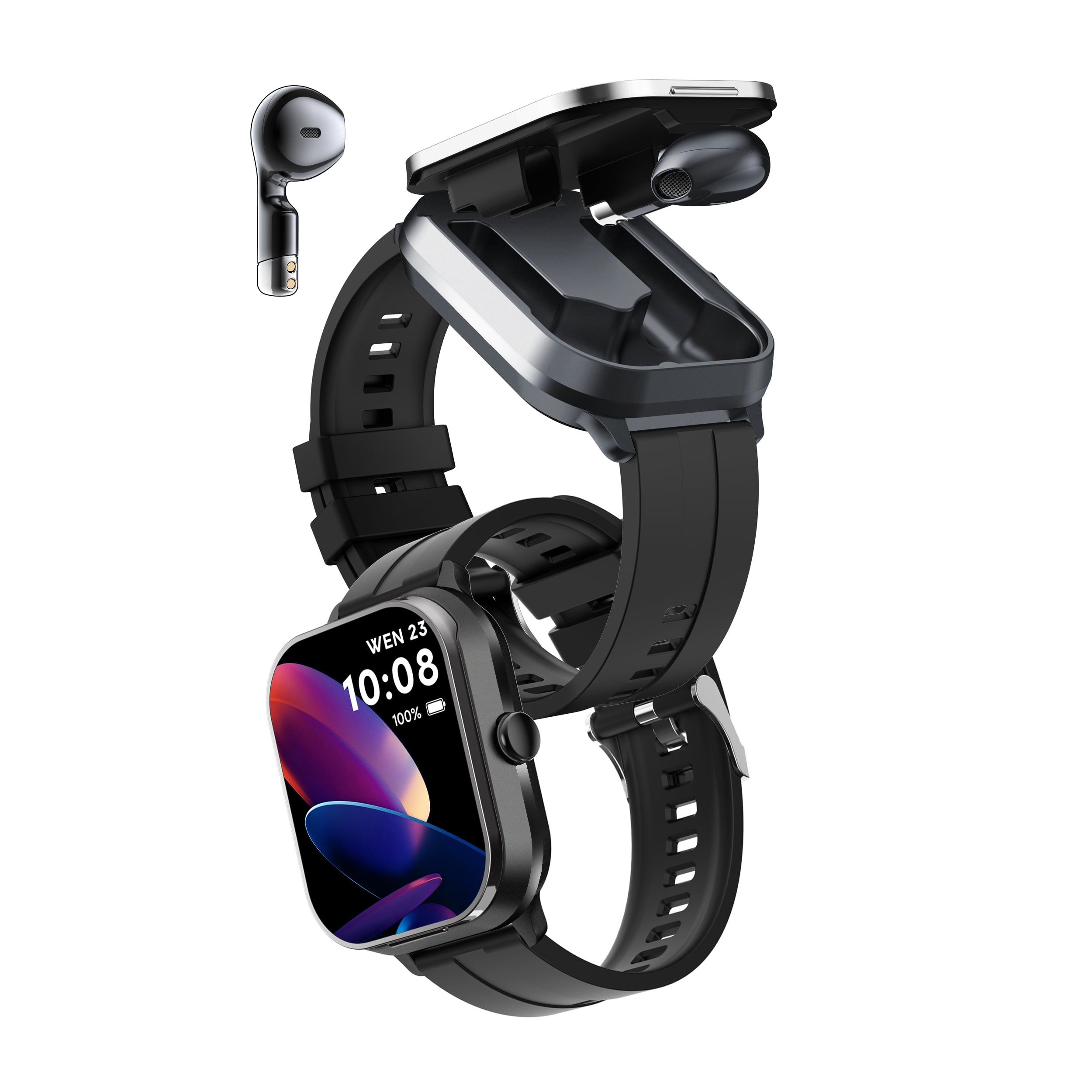
When deciding between a smartwatch vs fitness band for your daily health monitoring, understanding the fundamental differences between these two wearable categories becomes essential. Both devices track vital health metrics and support workout routines, yet they serve distinctly different purposes in your wellness journey. A smartwatch vs fitness band comparison reveals that smartwatches function as miniature computers on your wrist, offering comprehensive connectivity and app ecosystems, while fitness bands focus narrowly on health metrics and activity tracking. Choosing between a smartwatch vs fitness band depends entirely on your lifestyle priorities, budget constraints, and specific health monitoring goals.
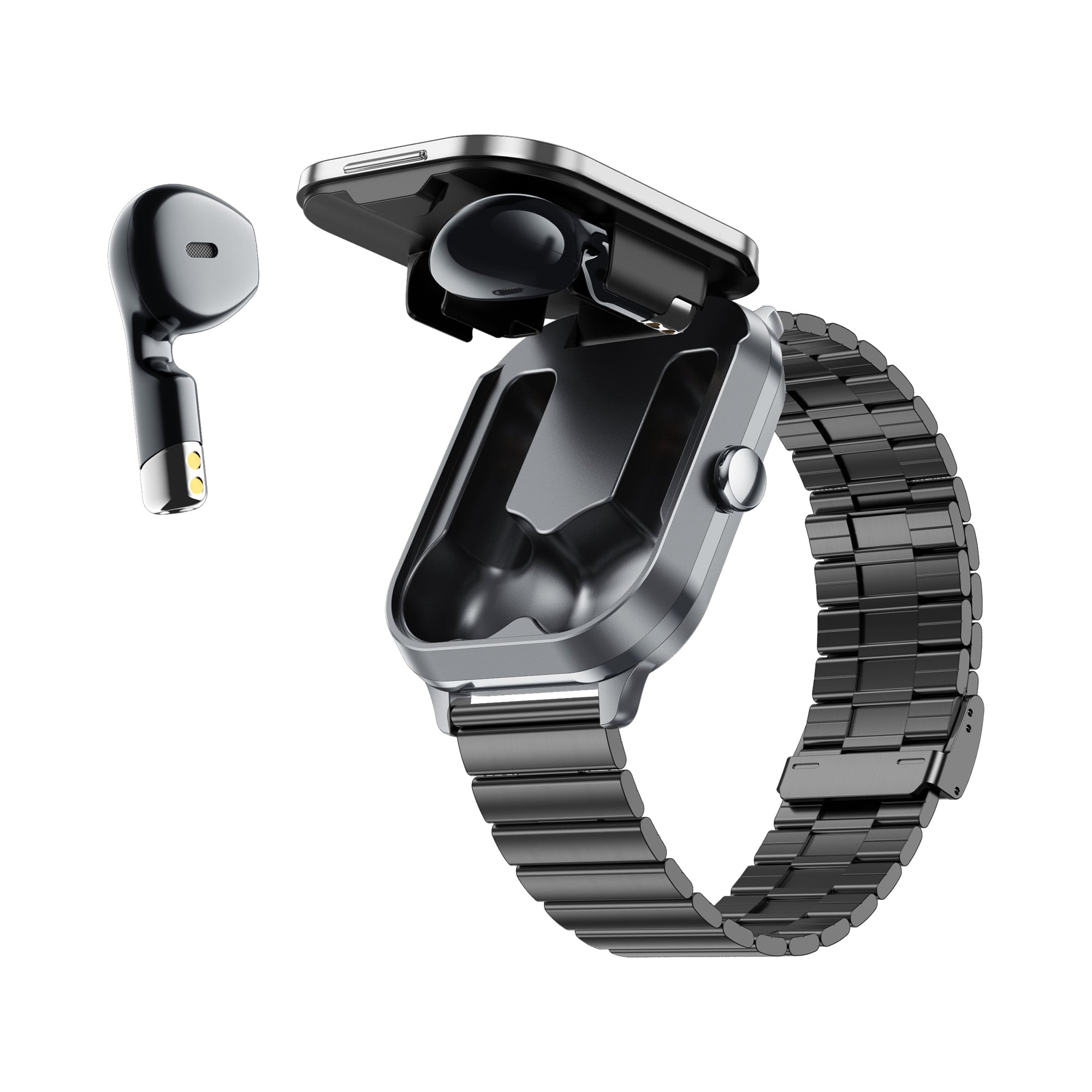
The smartwatch vs fitness band decision has become increasingly relevant as wearable technology advances. Today's market offers devices in both categories with sophisticated health sensors, real-time data analysis, and seamless smartphone integration. Understanding how smartwatch vs fitness band technologies differ helps you align your purchase with actual daily needs rather than settling for overpowered or underpowered solutions. This comparison explores the key distinctions, performance characteristics, and use-case scenarios to guide your selection process effectively.
Core Feature Differences Between Smartwatch vs Fitness Band
Processing Power and Functionality
A smartwatch vs fitness band distinction begins with computational capacity. Smartwatches operate as independent computing platforms running full operating systems like Wear OS or watchOS, enabling app installation, voice commands, and autonomous data processing. When evaluating smartwatch vs fitness band capabilities, smartwatches excel at notifications, calendar management, mobile payments, and communication features beyond simple health tracking. Fitness bands, by contrast, function as specialized health sensors that sync data to companion smartphone apps for analysis. The smartwatch vs fitness band choice fundamentally asks whether you need independent computing or pure health metric collection.
Display Quality and User Interface
Smartwatch vs fitness band displays reveal significant technological divergence. Most smartwatches feature full touchscreen displays ranging from 1.1 to 1.4 inches with vibrant AMOLED or LCD technology, supporting complex menu navigation and detailed data visualization. Fitness bands typically use smaller monochrome or simple color screens designed primarily for displaying numbers and basic status indicators. In the smartwatch vs fitness band comparison, touchscreen capability on smartwatches enables richer interaction but consumes more battery power. Fitness bands prioritize battery longevity by minimizing screen complexity, often lasting two to three weeks without charging compared to smartwatches requiring daily charging.
Health Monitoring Capabilities and Data Accuracy
Sensor Technology and Metrics Coverage
Examining smartwatch vs fitness band health features reveals interesting parallels and differences. Both device categories now incorporate heart rate sensors, blood oxygen monitoring, sleep tracking, and stress detection as standard features. The smartwatch vs fitness band divergence appears in supplementary sensors such as GPS, barometric altimeters, and ECG capabilities, which smartwatches more commonly include for comprehensive athletic analysis. Fitness bands maintain exceptional accuracy in step counting and calorie estimation through their singular design focus, while smartwatch vs fitness band GPS implementation allows smartwatches superior workout route tracking. When comparing smartwatch vs fitness band for health monitoring specifically, fitness bands often achieve marginally better consistency in baseline metrics through dedicated optimization.
Data Synchronization and Analysis
The smartwatch vs fitness band approach to data management differs significantly in processing location and depth. Fitness bands collect raw metrics and transmit them to smartphone or cloud platforms for comprehensive analysis, providing extensive health insights through dedicated apps. Smartwatches perform some data analysis locally on the device while maintaining synchronized records across platforms for redundancy and accessibility. In smartwatch vs fitness band capability assessment, fitness bands often excel at detailed health reports and trend analysis because they concentrate processing power on data science rather than general computing. The smartwatch vs fitness band trade-off means choosing between on-device computing versatility or specialized analytical depth.
Battery Performance and Daily Usability
Charging Frequency and Convenience
Battery life fundamentally influences the smartwatch vs fitness band decision for daily users. Fitness bands consistently deliver seven to fourteen days of continuous operation per charge, minimizing daily charging inconvenience and ensuring reliable week-long tracking without interruption. Smartwatches typically require daily charging despite improving battery technology, primarily due to continuous display operation and background computing processes. When evaluating smartwatch vs fitness band for practicality, fitness bands win decisively on charging convenience, particularly for travelers and fitness enthusiasts who prioritize uninterrupted tracking. Some premium smartwatches now feature smartwatch vs fitness band technology innovations that extend battery life to two or three days, narrowing the historical gap between device categories.
Power Consumption Trade-offs
The smartwatch vs fitness band battery equation involves inherent architectural differences. Smartwatches with vibrant always-on displays and constant Bluetooth connectivity consume significantly more power than fitness bands with minimal screen activation. Fitness bands achieve extended battery life by displaying information only upon user interaction, eliminating unnecessary power drain during passive wear periods. In smartwatch vs fitness band scenarios requiring week-long trips or outdoor expeditions, fitness bands remain superior for uninterrupted operation. The smartwatch vs fitness band choice requires honestly assessing whether daily charging inconvenience justifies the convenience and features provided by a smartwatch's independent functionality.
Price, Ecosystem Integration, and Use Case Selection
Budget Considerations and Total Cost
When comparing smartwatch vs fitness band pricing, entry-level fitness bands start around forty to sixty dollars, while basic smartwatches begin near one hundred fifty dollars. Premium smartwatch vs fitness band devices blur this distinction, with high-end fitness bands approaching smartwatch prices through advanced biometric sensors and long-term health analytics. The smartwatch vs fitness band investment differs based on ecosystem lock-in considerations. Smartwatches integrate tightly with specific smartphone ecosystems, often providing better functionality when paired with compatible devices, while fitness bands maintain broader compatibility across iOS and Android platforms. The smartwatch vs fitness band total cost consideration extends beyond initial purchase to include ongoing data services, cloud storage subscriptions, and eventual device replacement cycles.
Optimal Use Cases and Selection Criteria
The smartwatch vs fitness band decision ultimately reflects your specific daily requirements and lifestyle patterns. Choose smartwatch vs fitness band technology when you need constant notifications, mobile independence, payment capabilities, and cross-functional computing on your wrist. Fitness bands suit smartwatch vs fitness band scenarios emphasizing pure health metrics, multi-week battery autonomy, and simplified daily interaction. Athletes and fitness professionals often prefer smartwatch vs fitness band solutions offering comprehensive GPS tracking and detailed performance analytics. Casual health-conscious individuals frequently find smartwatch vs fitness band decisions tilt toward fitness bands for superior battery life and distraction-free health focus.
FAQ
Can a fitness band replace a smartwatch for daily use?
Fitness bands can absolutely replace smartwatches if your primary needs involve health monitoring and activity tracking without requiring notifications or independent device functionality. Many users find smartwatch vs fitness band comparisons resolve in fitness bands' favor for daily wear because the simplified interface reduces screen time and battery anxiety. However, if you depend on receiving calls, messages, or running specific apps on your wrist, a smartwatch becomes necessary since fitness bands lack these capabilities.
Which provides better heart rate accuracy between smartwatch vs fitness band options?
Modern fitness bands and smartwatches both achieve excellent heart rate accuracy when worn properly with optical sensors in contact with your wrist. The smartwatch vs fitness band distinction in accuracy appears negligible in real-world testing, with both categories achieving ninety-five percent or greater correlation to clinical monitors. Accuracy varies more based on individual wrist characteristics, sensor quality, and calibration than device category, making the smartwatch vs fitness band choice irrelevant for this specific metric.
What determines whether smartwatch vs fitness band suits my workout needs better?
Your decision between smartwatch vs fitness band depends on workout intensity and data requirements. Serious athletes benefit from smartwatch vs fitness band comparisons favoring smartwatches because built-in GPS and advanced metrics provide superior workout analysis without phone dependency. Casual fitness enthusiasts often find smartwatch vs fitness band evaluations support fitness bands due to exceptional battery life and accurate step or calorie tracking without unnecessary features. Consider whether you need real-time workout statistics displayed during exercise or prefer reviewing comprehensive analysis afterward through the companion app.