 EN
EN

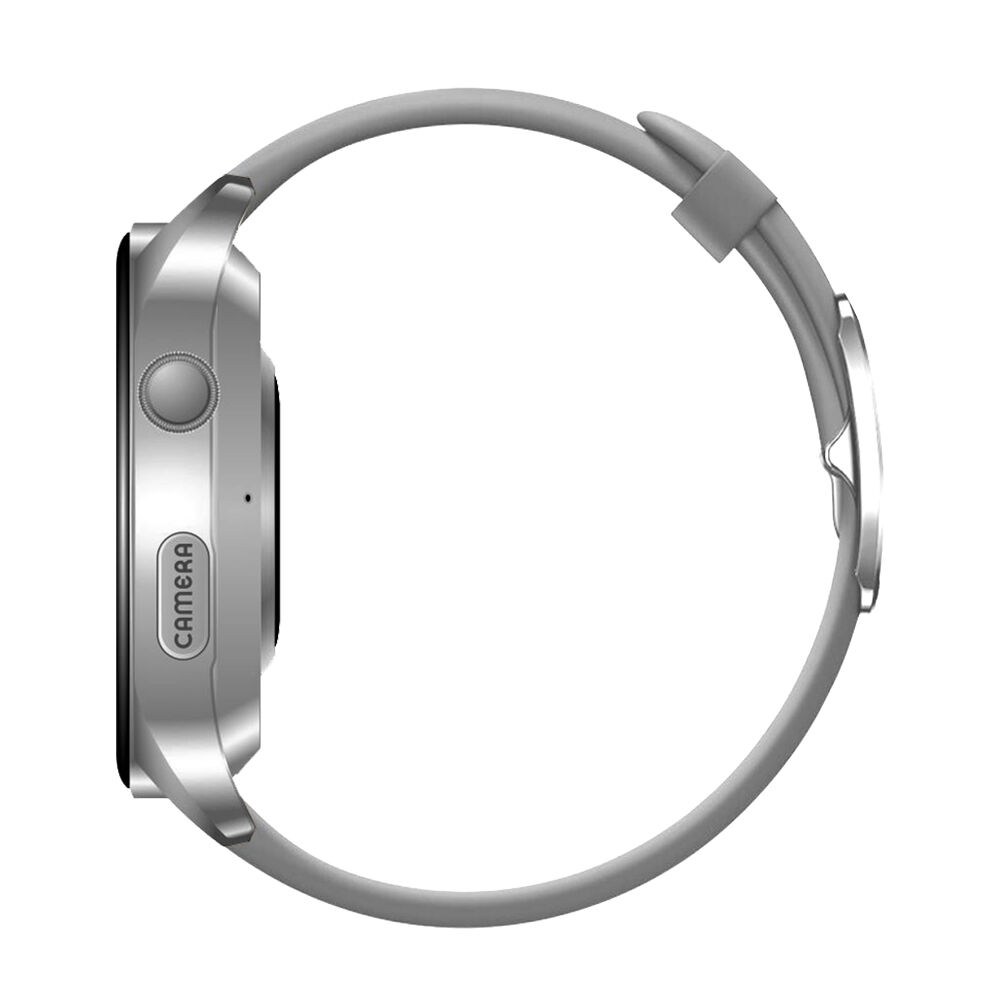
Selecting your first smart watch represents a significant step into the world of wearable technology, where innovation meets everyday convenience. The modern smart watch market offers an overwhelming array of options, each promising unique features and capabilities that can transform how you interact with technology throughout your day. Understanding which features truly matter for your lifestyle and needs becomes crucial when making this important investment decision.

The evolution of smart watch technology has created devices that serve as comprehensive health monitors, communication hubs, and productivity tools all wrapped around your wrist. From basic fitness tracking to advanced cellular connectivity, these devices offer functionality that extends far beyond traditional timekeeping. Making an informed choice requires careful consideration of your daily activities, technology preferences, and long-term usage expectations.
Essential Display and Interface Considerations
Screen Quality and Visibility
The display serves as your primary interaction point with any smart watch, making screen quality a fundamental consideration for first-time buyers. High-resolution displays with vibrant colors and excellent brightness levels ensure clear visibility in various lighting conditions, from bright outdoor environments to dimly lit indoor spaces. AMOLED and OLED technologies typically provide superior contrast ratios and energy efficiency compared to traditional LCD screens.
Always-on display functionality represents another crucial feature that affects daily usability and battery performance. This feature allows you to check the time and important notifications without raising your wrist or tapping the screen, providing the convenience of a traditional watch while maintaining smart functionality. However, always-on displays can significantly impact battery life, requiring users to balance convenience with power consumption needs.
Touch Responsiveness and Navigation
Smooth and responsive touch controls ensure effortless navigation through menus, applications, and notifications on your smart watch device. The interface should respond immediately to swipes, taps, and gestures without lag or missed inputs, particularly important during activities like exercise when quick access to functions becomes essential. Multi-touch support and gesture recognition capabilities enhance the overall user experience significantly.
Physical buttons and digital crowns provide alternative navigation methods that prove invaluable when touch controls become impractical. During workouts, swimming, or when wearing gloves, physical controls offer reliable interaction methods that complement touchscreen functionality. The placement and tactile feedback of these controls should feel intuitive and comfortable for extended use throughout your daily activities.
Health and Fitness Monitoring Capabilities
Comprehensive Health Tracking
Modern smart watch devices excel at monitoring various health metrics that provide valuable insights into your overall wellness and fitness progress. Heart rate monitoring has become a standard feature, with advanced sensors providing continuous tracking throughout the day and during exercise sessions. Accurate heart rate data enables better understanding of your cardiovascular health, workout intensity, and recovery patterns.
Sleep tracking functionality offers detailed analysis of your sleep patterns, including sleep stages, duration, and quality metrics that help optimize your rest and recovery. Advanced models monitor sleep disturbances, breathing patterns, and environmental factors that affect sleep quality. This data becomes particularly valuable for identifying trends and making lifestyle adjustments to improve overall health outcomes.
Activity and Exercise Features
Built-in GPS capabilities allow your smart watch to accurately track outdoor activities like running, cycling, and hiking without requiring your smartphone. Independent GPS tracking provides precise distance, pace, and route information while maintaining detailed workout records for performance analysis. This feature proves essential for serious fitness enthusiasts who want comprehensive activity data without carrying additional devices.
Water resistance ratings determine which activities your smart watch can safely handle, from light rain exposure to swimming and water sports. IP68 or higher ratings typically allow for submersion in water during swimming, while lower ratings may only protect against splashes and brief exposure. Understanding these limitations helps prevent damage and ensures your device meets your lifestyle requirements effectively.
Connectivity and Communication Features
Cellular Independence and Calling
Cellular connectivity transforms a smart watch from a smartphone companion into an independent communication device capable of making calls, sending messages, and accessing internet services. This functionality proves invaluable when you need to stay connected without carrying your phone during workouts, meetings, or other activities where smartphone use becomes impractical or inconvenient.
Independent calling features enable direct voice communication through your smart watch using built-in speakers and microphones. High-quality audio processing ensures clear conversations even in noisy environments, while noise cancellation technology helps maintain communication clarity. Some advanced models support video calling capabilities, expanding communication options beyond traditional voice calls.
Wireless Connectivity Options
Wi-Fi connectivity allows your smart watch to maintain internet access and sync data even when your smartphone is not nearby. This feature enables app updates, data synchronization, and access to online services without relying on cellular connections or Bluetooth tethering. Dual-band Wi-Fi support provides faster and more reliable connections in areas with congested wireless networks.
Bluetooth capabilities facilitate seamless connection with smartphones, wireless headphones, and other compatible devices in your technology ecosystem. Advanced Bluetooth versions offer improved energy efficiency, faster data transfer rates, and enhanced connection stability over greater distances. Multiple device pairing support allows simultaneous connections with various accessories and devices.
Battery Performance and Charging Solutions
Battery Life Optimization
Battery performance directly impacts the practical usability of your smart watch, determining how frequently you need to charge the device and which features remain available throughout extended use periods. Typical battery life ranges from one day to several weeks, depending on feature usage, display settings, and connectivity options activated during normal operation.
Power management features help extend battery life by automatically adjusting performance settings, reducing background processes, and optimizing sensor usage based on your activity patterns. Smart power modes can disable non-essential features while maintaining core functionality like timekeeping, basic notifications, and emergency features. Understanding these power management options helps maximize device usability between charging sessions.
Charging Convenience and Speed
Wireless charging capabilities eliminate the need for physical connectors and cables, providing convenient charging solutions that protect device ports from wear and water damage. Magnetic charging systems ensure proper alignment and secure connections while allowing easy placement and removal. Fast charging technologies can provide hours of usage from brief charging sessions, minimizing downtime.
Charging speed and efficiency affect daily usage patterns and travel convenience, with some smart watch models providing full charges in under an hour while others require several hours for complete battery restoration. Portable charging solutions and extended battery accessories can provide additional power options for extended trips or intensive usage periods when regular charging becomes impractical.
Software Platform and App Ecosystem
Operating System Capabilities
The underlying operating system determines your smart watch's capabilities, app compatibility, and future update support. Android-based systems typically offer greater customization options and broader app compatibility, while proprietary systems may provide more optimized performance and tighter integration with specific smartphone brands. Regular software updates ensure security patches, feature enhancements, and compatibility with evolving technologies.
App installation and management capabilities allow you to customize your smart watch with specialized applications for productivity, entertainment, health monitoring, and communication. Sufficient storage capacity ensures you can install multiple apps without constantly managing available space. App store access and developer support determine the variety and quality of available applications for your device.
Integration and Synchronization
Seamless integration with your existing smartphone ecosystem ensures consistent data synchronization, notification handling, and feature accessibility across devices. Cross-platform compatibility allows smart watch usage with different smartphone brands, though some features may be limited when using devices from different manufacturers. Cloud synchronization capabilities protect your data and settings while enabling easy device transitions.
Third-party service integration expands your smart watch functionality through connections with popular health apps, productivity tools, and entertainment services. API support allows developers to create innovative applications that leverage your smart watch sensors and capabilities. Comprehensive integration options ensure your smart watch becomes a valuable component of your broader technology ecosystem rather than an isolated device.
Storage and Memory Specifications
Internal Storage Capacity
Adequate storage capacity enables your smart watch to store music, apps, photos, and other content directly on the device for offline access. Higher storage capacities support larger app installations, extensive music libraries, and comprehensive health data retention without requiring frequent data management. Consider your intended usage patterns when evaluating storage requirements for optimal device performance.
Memory specifications affect multitasking performance, app launching speeds, and overall system responsiveness during intensive usage. Sufficient RAM ensures smooth operation when running multiple applications simultaneously or processing complex health data calculations. Advanced smart watch models often include dedicated processors optimized for wearable computing requirements and energy efficiency.
Expandable Storage Options
Some smart watch models support expandable storage through micro SD cards or similar technologies, allowing users to increase capacity as needed. Expandable storage proves particularly valuable for users who want to store extensive music collections, photos, or specialized applications on their devices. However, expandable storage may affect device size, water resistance, and overall durability.
Cloud storage integration provides virtually unlimited capacity for data backup, synchronization, and access across multiple devices. Automatic backup features ensure your health data, settings, and personal information remain secure and accessible even if your smart watch is lost or damaged. Consider both local and cloud storage options when planning your smart watch usage strategy.
Design and Comfort Considerations
Build Quality and Durability
Premium materials and construction quality directly impact your smart watch's longevity, appearance, and comfort during extended wear. Stainless steel, aluminum, and titanium cases offer different combinations of weight, durability, and aesthetic appeal. Scratch-resistant glass or sapphire crystal displays protect against daily wear while maintaining clear visibility and touch sensitivity over time.
Environmental resistance ratings indicate your smart watch's ability to withstand dust, moisture, temperature extremes, and physical impacts during various activities. Military-grade specifications provide additional assurance for users engaged in demanding outdoor activities or harsh working conditions. Understanding these ratings helps ensure your device can handle your lifestyle requirements without premature failure or damage.
Comfort and Wearability
Band materials and designs significantly affect long-term wearing comfort, skin compatibility, and overall user satisfaction with your smart watch choice. Silicone bands offer excellent water resistance and easy cleaning, while leather provides classic aesthetics but requires more careful maintenance. Metal bands deliver durability and formal appearance but may feel heavier during extended wear periods.
Customizable band options allow you to adapt your smart watch appearance and comfort to different situations, from formal business meetings to intensive workout sessions. Quick-release mechanisms enable easy band changes without tools or complicated procedures. Consider having multiple band options to maximize comfort and style versatility across various activities and environments.
FAQ
How long should I expect my smart watch battery to last
Smart watch battery life varies significantly based on usage patterns, features enabled, and model specifications. Entry-level devices typically provide 1-2 days of battery life with moderate usage, while premium models with larger batteries can last 3-7 days. Intensive features like GPS tracking, cellular connectivity, and always-on displays consume more power and reduce battery life accordingly. Most users find charging every 1-2 days acceptable for comprehensive smart watch functionality.
Can I use a smart watch without owning a smartphone
Many modern smart watch models offer cellular connectivity and independent functionality that allows basic operation without a paired smartphone. However, initial setup, app installation, and software updates typically require smartphone connectivity. Cellular-enabled models can make calls, send messages, and access internet services independently, but the full feature set and app ecosystem usually requires smartphone integration for optimal performance and functionality.
What health monitoring accuracy can I expect from smart watch sensors
Smart watch health sensors provide generally accurate data for fitness and wellness tracking, though precision varies by feature and device quality. Heart rate monitors typically achieve 95-98% accuracy during steady-state activities but may be less precise during high-intensity exercise. Sleep tracking, step counting, and calorie estimation provide useful trends and comparisons rather than medical-grade precision. For serious health monitoring, consult healthcare professionals and consider dedicated medical devices when necessary.
How much should I budget for my first smart watch purchase
Smart watch prices range from under $100 for basic fitness trackers to over $1000 for premium flagship models with comprehensive features. First-time buyers often find excellent value in the $200-400 price range, which typically includes essential features like health monitoring, notifications, good battery life, and app support. Consider your specific needs, intended usage patterns, and budget constraints when selecting features that provide the best value for your lifestyle requirements and expectations.