 EN
EN


Oikean valinta älykello akun kestolla joka sopii arkipäivänne tarpeisiin, vaatii ymmärrystä siitä, miten erilaiset käyttötavat vaikuttavat tehonkulutukseen ja mitkä ominaisuudet ovat todella tärkeitä kestävälle suorituskyvylle. Nykyaikaiset älykellot tarjoavat erilaisia akkukapasiteetteja: joissakin laitteissa akku kestää vain yhden päivän, kun taas toisissa se kestää viikoittain, mikä tekee valintaprosessista ratkaisevan tärkeän tuottavuuden ylläpitämiseksi ilman jatkuvia latauskeskeytyksiä.
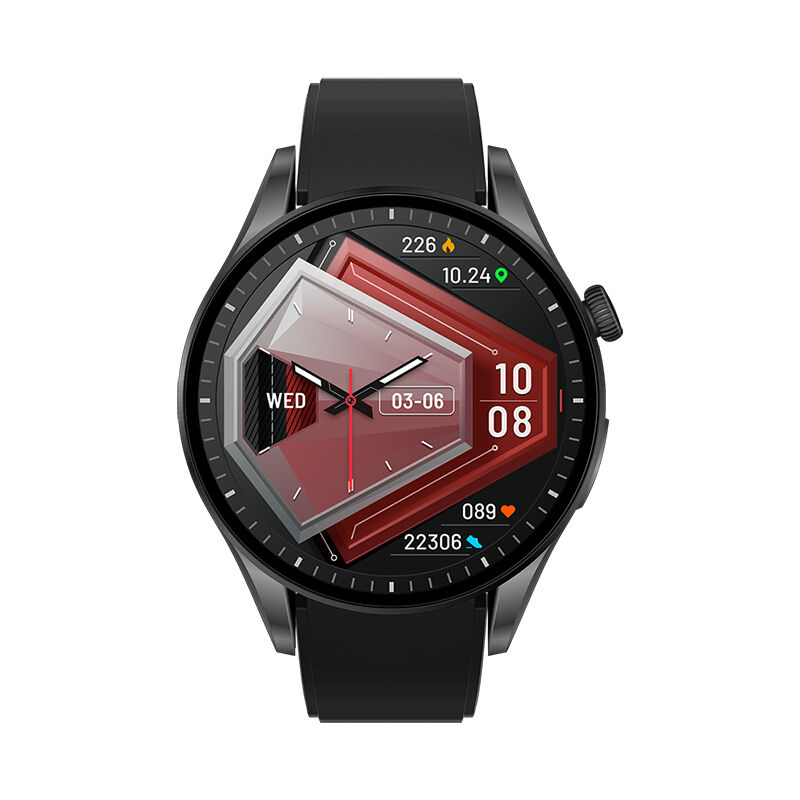
Arkipäivänne toiminnot määrittävät suoraan älykellon optimaaliset akkuspisfikaatiot, sillä eri toiminnot kuluttavat virtaa eri nopeuksilla ja erityiset käyttötilanteet vaativat erilaisia kestovaroja. Näiden suhteiden ymmärtäminen mahdollistaa perustellut päätökset, jotka estävät turhautumisen kuolleiden laitteiden kanssa kriittisinä hetkinä ja varmistavat, että teidän älykello akkukäyttöajalla muodostuu luotettava kumppani eikä huoltovastuu.
Akun kapasiteetin ja käytännön suorituskyvyn ymmärtäminen
Akun kapasiteetin tekniset tiedot ja käytännön seuraukset
Akun kapasiteetti älykelloissa vaihtelee yleensä 200 mAh:n ja 600 mAh:n välillä, mutta pelkät kapasiteettiluvut eivät yksinään määritä todellista suorituskykyä, sillä prosessorin tehokkuus, näyttötekniikka ja ohjelmiston optimointi vaikuttavat merkittävästi käytännön käyttöaikaan. älykello akkukäyttöajalla 300 mAh:n akulla varustettu kello voi suoriutua paremmin kuin 500 mAh:n kilpailija, jos se käyttää tehokkaampia komponentteja ja parempia virtahallintalgoritmejä.
Kapasiteetin ja suorituskyvyn välisten suhteiden ymmärtäminen auttaa tunnistamaan kellot, jotka tarjoavat johdonmukaisen virran päivittäisten toimintojesi aikana. Korkeamman kapasiteetin akut tarjoavat yleensä pidempiä käyttöaikoja, mutta todellinen kesto riippuu voimakkaasti käyttötavoistasi, ympäristöolosuhteista ja kellon kokonaissuunnittelun tehokkuudesta.
Valmistajat ilmoittavat usein akun käyttöajan ihanteellisissa olosuhteissa, mikä harvoin vastaa todellista käyttöä, jossa GPS-seuranta, sydämen sykkeen seuranta, ilmoitukset ja erilaiset sovellusvuorovaikutukset kuluttavat virtaa huomattavasti nopeammin kuin perusaikamerkintätoiminnot.
Tehonkulutuksen mallit eri toimintojen aikana
Eri päivittäiset toiminnot aiheuttavat erilaisia tehon vaatimuksia älykellollasi, jossa perusaika näyttäminen kuluttaa vähintään energiaa, kun taas GPS-seuranta, jatkuva sykkeen seuranta ja solukytkentä lisäävät akun tyhjenemistä merkittävästi. Näiden kulutusmallien ymmärtäminen auttaa sinua valitsemaan älykello akkukäyttöajalla soveltuvan mallin tiettyyn elämäntyyliisi ja aktiivisuustasoon.
Kuntoiluseurannan toiminnot kuluttavat yleensä 20–30 % enemmän akkutehoa kuin normaalitoiminnot jatkuvan anturiseurannan, GPS:n käytön ja tiukan datan käsittelyn vuoksi. Ammattimaiset käyttäjät, jotka luottavat voimakkaasti ilmoituksiin, puheluihin ja sovellusvuorovaikutukseen, voivat odottaa korkeampaa tehonkulutusta, mikä edellyttää tehokkaampia akkurateita.
Ympäristötekijät, kuten äärimmäiset lämpötilat, korkeuserot ja signaalin voimakkuus, vaikuttavat myös akun suorituskykyyn, mikä tekee siitä olennaista ottaa huomioon tyypillinen käyttöympäristösi, kun arvioit akun kestoa koskevia teknisiä tietoja ja valitset sopivat varalatausratkaisut.
Akun suorituskyvyn sovittaminen käyttäytymisprofiiliisi
Päivittäisten käyttövaatimusten arviointi
Tyypillisen päivän aikataulun arviointi auttaa määrittämään älykellon vähimmäisakun keston, joka tarvitaan, ottaen huomioon tekijät, kuten treenien kesto, työaika, matkustusmallit ja mahdollisuudet ladata kellon akkua päivän aikana. älykello akkukäyttöajalla akku, joka vastaa juuri ja ainoastaan tarpeitasi, ei jätä varaa odottamattomille käyttötilanteille tai latauksen viivästymiselle.
Ammatilliset käyttäjät, jotka osallistuvat pitkiin kokouksiin, matkustavat usein tai työskentelevät epäsäännölisin työaikoin, tarvitsevat pidempää akun kestoa kuin tavallisemmat käyttäjät, joilla on ennakoitavissa olevat aikataulut ja säännölliset mahdollisuudet ladata laitetta. Harkitse pidintä tyypillistä päivääsi ja lisää turvamarginaali arvioitaessasi vähimmäisvaadittavaa akunsuorituskykyä.
Aktiivisuuden intensiteetti vaikuttaa myös akun vaatimuksiin, sillä käyttäjät, jotka suorittavat useita päivittäisiä treenejä, ulkoilma-aktiviteetteja tai vaativia kuntoharjoituksia, tarvitsevat kelloja, jotka pystyvät toimimaan kestävästi raskaan käytön alla ilman olennaisten toimintojen heikentymistä tai keskipäivän latausta.
Ominaisuuksien priorisointi virrankulutuksen perusteella
Erilaiset älykellon ominaisuudet kuluttavat eri määriä virtaa, joten sinun on priorisoitava ne toiminnot, jotka ovat tärkeimpiä päivittäisille toiminnoillesi verrattuna niihin, joista voit luopua pidemmän akun käyttöajan saavuttamiseksi. GPS-seuranta, solukytkentä ja aina päällä oleva näyttö vaikuttavat merkittävästi virrankulutukseen, kun taas perusilmoitukset ja askelmittaus vaikuttavat siihen vain vähän.
Ominaisuuksien ja niiden aiheuttaman virrankulutuksen ymmärtäminen auttaa sinua valitsemaan älykello akkukäyttöajalla sinun tarpeisiisi optimoidun mallin, olipa kyseessä lyhyempi akun käyttöaika edistyneitä ominaisuuksia varten tai yksinkertaisempi toiminnallisuus mahdollisimman pitkän käyttöajan saavuttamiseksi. Tämä tasapaino vaihtelee huomattavasti käyttäjästä riippuen heidän erityisistä tarpeistaan ja mieltymyksistään.
Harkitse, mitkä ominaisuudet käytät todella päivittäin ja mitkä vaikuttavat houkuttelevalta, mutta jäävät käyttämättä, sillä tarpeeton toiminnallisuus, joka tyhjentää akkua ilman että se tuottaa arvoa, edustaa huonoa optimointia juuri sinun käyttötapaasi ja päivittäisiin toimintamalleihisi.
Tekniset tekijät, jotka vaikuttavat akun pitkäaikaiseen suorituskykyyn
Näyttötekniikka ja virranhallinta
Näyttötekniikka edustaa yhtä suurimmista virrankuluttajista älykelloissa, ja OLED-näytöt tarjoavat yleensä paremman akun tehokkuuden kuin LCD-näytöt samalla tarjoten parempaa kontrastia ja värintarkkuutta. Näyttötekniikan valinta vaikuttaa suoraan siihen, kuinka kauan älykello akkukäyttöajalla voi toimia latausten välillä normaalissa päivittäisessä käytössä.
Aina päällä -näyttötoiminto tarjoaa käytettävyyttä, mutta se kuluttaa 15–25 % enemmän virtaa kuin kellot, joiden näyttö syttyy vasta käsivarren liikkeellä tai painonapin painamalla. Arvioimalla, oikeuttaako jatkuvasti näkyvä näyttö vähentynyttä akun kestoa, voidaan määrittää optimaalinen asetus käyttötapojen ja mieltymysten mukaan.
Näytön kirkkauden asetukset, päivitysnopeudet ja näytön automaattisen sammutuksen aikavälit vaikuttavat kaikki virtakulutukseen, mikä tekee näistä säädettävistä parametreistä tärkeitä tekijöitä, kun parannetaan akun suorituskykyä erityisesti käyttöympäristöön ja näkyvyystarpeisiin sopivalla tavalla arkipäivän toiminnoissa.
Prosessorien tehokkuus ja ohjelmiston optimointi
Nykyiset älykellon prosessorit vaihtelevat huomattavasti virrankulutukseltaan, ja uudemmat piirisarjat tarjoavat yleensä parempaa suorituskykyä watilla sekä mahdollistavat pidemmän akun käyttöajan ilman toiminnallisuuksien heikentämistä. Prosessorin valinta vaikuttaa siihen, kuinka tehokkaasti kello suorittaa arkipäivän tehtäviä ja jatkuvasti toimivia taustatoimintoja.
Ohjelmiston optimointi vaikuttaa ratkaisevasti akun suorituskykyyn, sillä hyvin suunnitellut käyttöjärjestelmät hallinnoivat taustaprosesseja tehokkaammin ja tarjoavat parempia virtahallintatoimintoja. älykello akkukäyttöajalla optimoidulla ohjelmistolla varustettu laite voi merkittävästi ylittää kilpailijat, joilla on samankaltaiset laitetekniset ominaisuudet.
Säännölliset ohjelmistopäivitykset sisältävät usein parannuksia akun optimointiin, mikä tekee siitä tärkeää valita kelloja valmistajilta, jotka sitoutuvat pitkäaikaiseen ohjelmistotukeen ja jatkuvasti parantaviin suorituskykyominaisuuksiin, joilla laitteen tehollista käyttöikää pidetään pidentynä ja akun tehokkuutta ylläpidetään optimaalisena.
Latausratkaisut ja akun huolto
Latausnopeus ja käytettävyystekijät
Nopeat latausmahdollisuudet vähentävät lyhyempien akun käyttöaikojen vaikutusta minimoimalla aika, joka tarvitaan täyden virran palauttamiseen, mikä tekee latausnopeudesta tärkeän tekijän kokonaiskäytettävyyden ja käytettävyyden arvioinnissa. Joissakin kelloissa on nopea lataus, joka tarjoaa tuntien mittaisen käytön lyhyistä päivittäisistä latausistunnoista.
Langaton lataus käytettävyyden kannalta verrattuna langalliseen lataukseen nopeuden kannalta tarjoaa erilaisia etuja riippuen elämäntyylistäsi ja lataustottumuksistasi. A älykello akkukäyttöajalla kello, joka latautuu nopeasti aamurutiinisi aikana, saattaa olla käytännöllisempi kuin sellainen, joka vaatii yöllisen latauksen mutta kestää hieman pidempään ilman latausta.
Ota huomioon latausinfrastruktuurin saatavuus arkipäiväisessä ympäristössäsi, mukaan lukien työpaikalla tarjottavat latausvaihtoehdot, matkalla käytettävät latausratkaisut ja varavoimalähteet, jotka varmistavat kellosi toiminnan pidemmän ajanjakson ajan normaalien lataustilanteiden ulkopuolella.
Akun kunnon ja kestävyyden huomioon ottaminen
Älykellojen litium-ioniparistot menettävät ajan myötä kapasiteettiaan vähitellen, ja niiden alkuperäinen kapasiteetti on yleensä jäljellä 80 % kahden tai kolmen vuoden säännöllisen käytön jälkeen. Akun vanhenemismallin ymmärtäminen auttaa sinua valitsemaan laitteita, joiden alussa riittävä kapasiteetti säilyy hyödyllisenä koko odotetun käyttöiän ajan.
Oikeat lataustavat, lämpötilanhallinta ja täydellisten purkukierrosten välttäminen voivat pidentää akun käyttöikää ja säilyttää sen optimaalisen suorituskyvyn pidempään. Laitevalinnassa kannattaa ottaa huomioon älykello akkukäyttöajalla laite, joka sisältää akun kunnon seuranta- ja optimointiominaisuuksia, mikä auttaa säilyttämään pitkän aikavälin suorituskyvyn ja käytettävyyden.
Vaihdettavat ja ei-vaihdettavat akut vaikuttavat pitkän aikavälin omistuskustannuksiin ja laitteen kestävyyteen, mikä tekee tästä harkintakohdan tärkeän niille käyttäjille, jotka aikovat pitää älykelloaan useita vuosia tai suosivat laitteita, joiden palveluelin mahdollisuus on pitkä.
Lopullisen valinnan tekeminen
Akun keston ja muiden ominaisuuksien tasapainottaminen
Optimaalinen älykello tasapainottaa akun suorituskyvyn muiden olennaisten ominaisuuksien, kuten rakennelaadun, vedenkestävyyden, anturien tarkkuuden ja ekosysteemin yhteensopivuuden, kanssa. Akun keston yksinomainen priorisoiminen saattaa tarkoittaa muita tärkeitä toimintoja, jotka parantavat arkipäivän käytettävyyttä ja pitkän aikavälin tyytyväisyyttä.
Harkitse, kuinka akun kesto sijoittuu prioriteettisi listalla verrattuna muuhun, kuten ulkoasuun, brändiekosysteemin integraatioon, terveyden seurantamahdollisuuksiin ja älykodiyhteyteen. A älykello akkukäyttöajalla joka erinomaisesti täyttää sinun prioriteettialueesi ja samalla vastaa vähimmäisvaatimuksia muilla alueilla, tarjoaa usein parhaan kokonaismuokkausarvon.
Arvioi kokonaishintaa omistamisesta, mukaan lukien mahdollinen akun vaihto, latauslisävarusteet ja päivitystiukkuus, jotta voit määrittää, mikä vaihtoehto tarjoaa parhaan pitkän aikavälin arvon juuri sinun erityistarpeisiisi ja käyttötapoihisi.
Testaus- ja validointistrategiat
Ennen lopullista ostopäätöstä tutki käyttäjien reaalimaailman akunsuorituskyvyn arvosteluja, joilla on samankaltaiset toimintamallit ja käyttövaatimukset kuin sinulla. Valmistajan tekniset tiedot edustavat usein ideaalisia olosuhteita, jotka eivät heijasta tyypillisiä arkipäivän käyttötilanteita, joissa käytetään useita ominaisuuksia ja joihin vaikuttavat erilaiset ympäristöolosuhteet.
Harkitse kokeilujaksoja tai palautuspolitiikkoja, jotka mahdollistavat akunsuorituskyvyn testaamisen todellisissa arkipäivän olosuhteissasi ennen pitkäaikaista ostopäätöstä. Monet vähittäiskaupat tarjoavat tyytyväisyystakuuja, jotka mahdollistavat käytännön arviointisuorituksen siitä, täyttääkö älykello akkukäyttöajalla todelliset arkipäivän vaatimukset.
Dokumentoi nykyiset lataustottavuutesi, päivittäiset toimintamallisi ja välttämättömät ominaisuusvaatimukset, jotta voit luoda selkeän arviointikehyksen eri vaihtoehtojen vertailuun ja varmistaa, että lopullinen valintasi vastaa käytännön tarpeitasi eikä pelkästään teoreettisia teknisiä tietoja.
UKK
Kuinka kauan älykellon akku pitäisi kestää tyypillisessä päivittäisessä käytössä?
Laatu älykello akkukäyttöajalla akun tulisi kestää 18–24 tuntia tyypillisessä päivittäisessä käytössä, johon kuuluvat ilmoitukset, perusliikunta- ja kunnonseuranta sekä satunnainen sovellusten käyttö. Raskas käyttäjä, joka käyttää GPS-seurantaa, soluyhteyttä ja vuorovaikutteisia toimintoja usein, saattaa tarvita laitteita, joiden akun kesto on 2–3 päivää, kun taas peruskäyttäjä voi pitää 24 tunnin akunkestoa riittävänä, mikäli kellon lataa joka ilta.
Mitkä toiminnot kuluttavat älykellon akkua nopeiten?
GPS-seuranta treenien aikana, matkapuhelinkutsut, jatkuva sykkeen seuranta ja aina päällä oleva näyttö kuluttavat eniten akkutehoa älykelloissa. Musiikin suoratoistaminen, navigointisovellusten käyttäminen ja usein tapahtuva ilmoitusten käsittely vaikuttavat myös merkittävästi akun kestoon, mikä tekee nämä korkean virrankulutuksen toiminnot tärkeiksi huomioitaviksi valittaessa älykello akkukäyttöajalla soveltuva laite käyttötottumuksiesi mukaan.
Voinko pidentää älykelloni akun kestoa säätämällä asetuksia?
Kyllä, voit merkittävästi pidentää akun kestoa säätämällä näytön kirkkautta, poistamalla käytöstä aina päällä olevan näytön, vähentämällä ilmoitusten taajuutta, sammuttamalla käyttämättömät yhteysominaisuudet ja rajoittamalla taustasovellusten päivityksiä. Näiden asetusten optimointi voi parantaa älykello akkukäyttöajalla suorituskykyä 20–40 % riippuen käyttötottumuksistasi ja siitä, mitkä ominaisuudet olet valmis muuttamaan tai poistamaan käytöstä.
Miten tiedän, milloin älykelloni akku pitää vaihtaa?
Kätesi älykelloakun todennäköisesti täytyy vaihtaa, kun se säilyttää alle 80 % alkuperäisestä kapasiteetistaan, sen lataaminen vaaditaan useammin kuin kerran päivässä normaalikäytössä tai se tyhjenee nopeasti jopa vähäisestä käytöstä huolimatta. Useimmat älykello akkukäyttöajalla ongelmat tulevat havaittaviksi 2–3 vuoden säännöllisen käytön jälkeen, vaikka oikeat lataustavat ja lämpötilanhallinta voivat merkittävästi pidentää akun käyttöikää.