 EN
EN

Valitsema korvasulat turvallinen istuvuus pitkille treeneille edellyttää tietoa siitä, miten liikunta aiheuttaa erityisiä biomekaanisia haasteita. Kun liikutat, korvakäytäsi muuttavat luonnollisesti muotoaan leuan liikkeen, hikoilun ja pään sekä kehon jatkuvan liikkeen vaikutuksesta. Oikeat kuulokkeet, joilla on turvallinen istuvuus, täytyy sopeutua näihin fysiologisiin muutoksiin säilyttäen samalla äänilaatuun ja mukavuuteen vaadittavan tason koko treenisi ajan.
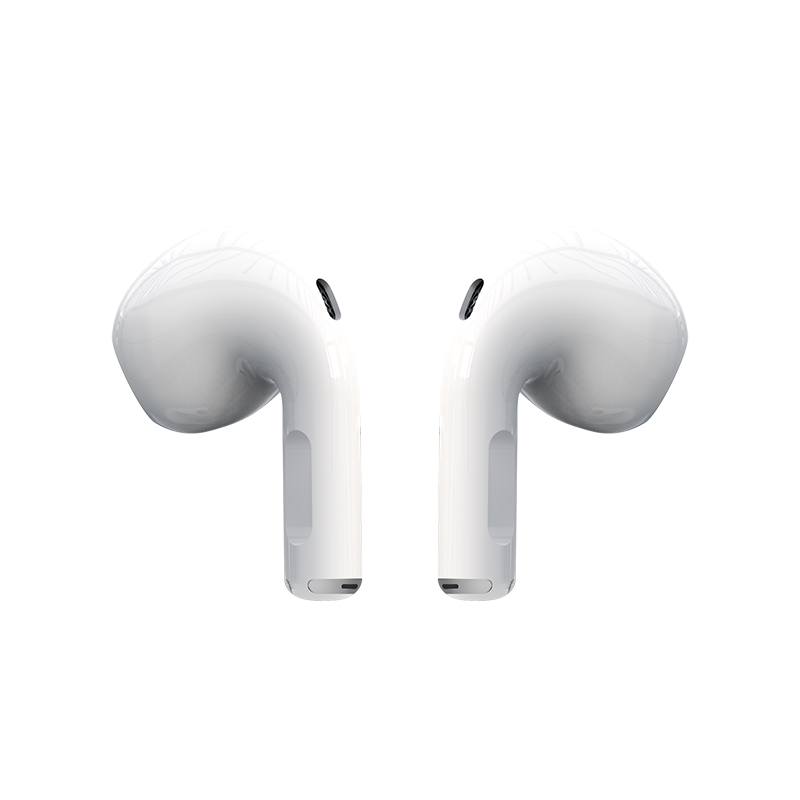
Treeneihin tarkoitettujen kuulokkeiden valintaprosessi edellyttää useiden teknisten tekijöiden arviointia, jotka vaikuttavat suoraan kuulokkeiden pysymiseen paikoillaan ja mukavuuteen liikkeen aikana. Toisin kuin arkisessa kuuntelussa, liikunta vaatii kuulokkeita, jotka kestävät toistuvaa liikettä, kosteutta ja vaihtelevia painemuutoksia samalla kun ne tarjoavat johdonmukaista suorituskykyä. Näiden vaatimusten ymmärtäminen auttaa sinua tekemään perustellun valinnan, joka estää keskeytyksiä treenin aikana ja varmistaa, että sijoituksesi tuottaa pitkäaikaista arvoa kuntoharjoittelullesi.
Korvakäytävän dynamiikan ymmärtäminen liikunnan aikana
Miten liikunta vaikuttaa korvan muotoon ja kokoonsa
Liikunnan aikana korvakäytävätsi muuttuvat hieman, mutta merkittävästi, mikä vaikuttaa kuulokkeiden pidossa. Verenkierron lisääntyminen aiheuttaa lievää turvotusta korvakudoksissa, kun taas leuan liikuminen hengityksen ja kasvojen ilmeiden myötä muuttaa korvakäytävän geometriaa. Nämä fysiologiset reaktiot tarkoittavat, että turvallisesti istuvien kuulokkeiden on pystyttävä sopeutumaan erilaisiin korvamuotoihin eikä niiden voi luottaa vain yhteen staattiseen asentoon.
Lämpötilan säätely hikoilun kautta vaikuttaa myös korvakäytävän olosuhteisiin. Kun kosteutta kertyy, kitka korvan ja kuulokkeen välillä muuttuu, mikä saattaa aiheuttaa liukastumista. Laadukkaat treenikuulokkeet ratkaisevat tämän haasteen erityisesti kehitetyillä materiaaleilla ja suunnitteluratkaisuilla, jotka varmistavat otteen säilymisen myös kosteissa olosuhteissa.
Juoksemisen, hyppäilyn tai korkean intensiteetin liikkeiden aiheuttamat toistuvat iskukuormitukset luovat lisäsiirtopainetta kuulokkeisiin. Näiden voimien ymmärtäminen auttaa sinua priorisoimaan suunnitteluelementtejä, kuten siipimaisia kärkiä, korvakenkiä tai puristuskiinnitysjärjestelmiä, jotka torjuvat liikkeestä johtuvan löystymisen.
Hikoilun vaikutus kuulokkeiden pitoon ja mukavuuteen
Kuntosaliharjoittelun aikana tapahtuva hikoilu aiheuttaa kaksitasoisen haasteen kuulokkeiden vakaudelle. Aluksi kosteus voi parantaa tiukkuutta lisäämällä pinnanjännitystä, mutta kun hiki kertyy, se toimii voiteluaineena, joka vähentää kitkaa ja edistää liukumista. Tehokkaat kuulokkeet, joilla on turvallinen istuvuus, sisältävät hydrofobisia materiaaleja tai nesteenpoistotoimintoja, jotka hallitsevat kosteutta ilman, että pitovoima heikkenee.
Hiken kemiallinen koostumus, johon kuuluvat muun muassa suola ja rasvat, voi ajan myötä heikentää tiettyjä materiaaleja. Premium-kuntosalikuulokkeissa käytetään korroosionkestäviä komponentteja ja helposti puhdistettavia pintoja, jotka säilyttävät tarttuvuusominaisuutensa myös toistuvan hikoilun altistumisen jälkeen.
Mukavuus pitkien käyttösession aikana edellyttää materiaaleja, jotka pysyvät vakaina kosteuden absorboituessa. Silikonista ja erityisistä kumimaisista vinkkeistä on eri etuja kosteissa olosuhteissa: jotkut laajenevat säilyttääkseen tiukennuksen, kun taas toiset säilyttävät jatkuvan kovuuden riippumatta kosteustasosta.
Tärkeimmät suunnittelun ominaisuudet liikuntaan tarkoitettujen kuulokkeiden turvallisuudelle
Kuulokkeiden vinkkien materiaalit ja niiden suorituskyvyn ominaisuudet
Silikoniset kuulokkeiden vinkit tarjoavat luotettavimman perustan kuulokkeille, jotka istuvat turvallisesti liikunnan aikana. Niiden ei-porous pinta vastustaa hikin absorboitumista ja säilyttää jatkuvan tarttuvuuden koko treenin ajan. Korkealaatuiset silikoniseokset tarjoavat oikean tasapainon joustavuuden ja kovuuden välillä: ne muotoutuvat kuulokäytävääsi, mutta tarjoavat riittävästi rakenteellista tukea estääkseen siirtymisen.
Muistikovun kärjet tarjoavat erinomaista alustavaa mukavuutta ja tiukkuutta, mutta niitä on harkittava huolellisesti liikuntaan käytettäviksi. Vaikka ne sopeutuvat erinomaisesti epäsäännöllisen muotoisiin korviin, niiden kosteuden absorbointikyky voi johtaa laajenemiseen, joka joko parantaa tai heikentää istumista riippuen sinun korvien tarkasta muodosta. Jotkut valmistajat tarjoavat hybridimuovisuunnittelua, jossa yhdistetään muistiominaisuudet kosteudenkestävyyteen.
Termoplastiset materiaalit edustavat uutta luokkaa, joka sopeutuu kehon lämpötilaan säilyttäen samalla rakenteellisen eheytensä. Nämä edistyneet materiaalit tarjoavat yksilöllisen istuvuuden ilman ammattimaisen muovauksen tarvetta, mikä tekee niistä ihanteellisia urheilijoille, jotka tarvitsevat johdonmukaista suorituskykyä vaihtelevissa olosuhteissa.
Stabilointimekanismit ja tukirakenteet
Siipimaiset kärjet ja korvakärsikkeet toimivat toissijaisina pidätysjärjestelminä, jotka estävät kuulokkeiden putoamisen paikoiltaan, vaikka ensisijainen tiukkuus löystyisikin. Nämä rakenteet ankkuroituvat ulomman korvan rustokalvoon luoden useita kosketuspisteitä, jotka jakavat pidätysvoiman ja vähentävät painetta yksittäisellä alueella.
Paineperusteiset suunnittelut perustuvat huolellisesti suunniteltuun jännitykseen, joka pitää kuulokkeet paikoillaan aiheuttamatta epämukavuutta. Parhaat toteutukset käyttävät asteikollista puristusta, joka tarjoaa vahvimman pidätyksen kriittisillä rasitusalueilla samalla kun se mahdollistaa luonnollisen korvan liikkeen liikkeen aikana.
Niskan takaa kulkevat kaapelit ja korvan yli kulkevat johdot tarjoavat varmuuden lisävarmistuksena todellisille langattomille kuulokkeille, jotka voivat menettyä voimakkaiden liikkeiden aikana. Vaikka nämä turvallisuusominaisuudet lisäävätkin hieman tilavuutta, ne tarjoavat mielenrauhan korkean arvon kuulokkeille, joita käytetään vaativissa ympäristöissä.
Mukavuuden optimointi pitkäaikaiseen käyttöön
Paineen jakautuminen ja väsymisen ehkäisy
Pidemmät treenitunnit paljastavat mukavuusongelmia, joita ei havaita lyhyiden kuuntelujaksojen aikana. Turvallisesti istuvien korvakuulokkeiden on jakava paine tasaisesti koko korvakäytävälle estääkseen kipupisteiden ja väsymyksen syntymisen. Tämä edellyttää tarkkaa kontaktipintojen suunnittelua ja huolellista materiaalien valintaa siten, että ne säilyttävät ominaisuutensa pitkäaikaisen puristuksen alla.
Syvyys, johon korvakuulokkeet asennetaan, vaikuttaa merkittävästi sekä mukavuuteen että pidättelemiseen. Pinnallisempi asennus vähentää painetta, mutta saattaa heikentää turvallisuutta, kun taas syvempi asennus parantaa pidättelemistä, mutta voi aiheuttaa epämukavuutta pitkien treenituntien aikana. Optimaalinen suunnittelu saavuttaa turvallisuuden muodon optimoinnilla eikä liiallisella asennussyvyydellä.
Ilmanvaihto muuttuu kriittiseksi liikuntaa tehdessä, sillä kertynyt lämpö ja kosteus voivat nopeasti heikentää mukavuutta. Jotkin korvakuulokkeet sisältävät hienovaraisen ilmanvaihtorakenteen, joka lievittää painetta ilman, että äänilaatu kärsii, kun taas toiset käyttävät materiaaleja, jotka hengittävät luonnollisesti estääkseen lämmön ja kosteuden kertymisen.
Koon valinta ja mukautusvaihtoehdot
Oikea koko on perustavanlaatuinen tekijä, jotta saavutetaan sekä turvallisuus että mukavuus kun käytetään kuntosalikorvakuulia. Useimmat valmistajat tarjoavat useita eri korkkikokojen vaihtoehtoja, mutta kokoerojen suuruus ja kokovaihteluväli vaihtelevat huomattavasti. Etsi merkkejä, jotka tarjoavat puolikokoisia korkkeja tai useita eri korkkityyppejä, jotta voidaan ottaa huomioon korvakäytävän mittojen hienot erot, jotka tulevat ratkaiseviksi liikunta-ajan aikana.
Ammattimaiset sovituspalvelut, vaikka niitä ei yleensä tarjoata kuluttajakorvakuulille, voivat antaa arvokkaita tietoja vakaville urheilijoille. Joissakin yrityksissä on tarjolla muotokappaleiden perusteella valmistettuja erikoiskorkkeja, jotka ovat yhteensopivia niiden standardikorvakuulien kanssa ja tarjoavat henkilökohtaisen istuvuuden ilman täysin erikoisvalmisteisten yksiköiden kustannuksia.
Säädettävät suunnitteluratkaisut mahdollistavat istuvuuden tarkentamisen ostamisen jälkeen. Ominaisuuksia, kuten pyörivät suuttimet, säädettävät siivet tai modulaariset korkkijärjestelmät, voidaan käyttää optimoidakseen istuvuutta juuri omalle korvarakenteelle ja liikuntaharrastuksille.
Testaus- ja validointimenetelmät
Kaupassa ja kotona Koti Arviointimenetelmät
Tehokas kuulokkeiden testaus turvallisella istumalla vaatii todellisten kuntosaliharjoitusten simulointia. Yksinkertaiset pääliikkeet, leuan avausharjoitukset ja kevyt vetäminen voivat paljastaa perustason pidon ongelmia, mutta laajempi testaus sisältää vaiheittaisia aktiivisuustasoja, jotka heijastavat todellista liikuntaharjoittelua.
Palautuspolitiikat ovat erityisen tärkeitä kuntosalikuulokkeille, koska todellista suorituskykyä voidaan arvioida ainoastaan todellisessa liikunnassa. Etsi vähittäiskauppiaita tai valmistajia, jotka tarjoavat pidennettyjä kokeilujaksoja tai liikuntaan erityisesti suunnattuja palautuspolitiikoita, jotka ottavat huomioon todellisen maailman testauksen tarpeen.
Istumisongelmien dokumentointi auttaa tarkentamaan valintakriteerejä. Merkitse tarkasti epäonnistumismuodot, epämukavuuden alkamisaika sekä ympäristötekijät, jotka vaikuttavat suorituskykyyn. Tämä tieto ohjaa tulevia ostoksia ja auttaa tunnistamaan piirteitä, jotka eivät välttämättä tule ilmi alustavassa arvioinnissa.
Vaiheittainen aktiivisuustestausprotokolla
Aloita testaus alhaisen vaikutuksen toiminnoilla, kuten kävelyllä tai kevyellä venyttelyllä, jotta saadaan selville perustaso mukavuudelle ja peruspidolle. Lisää vähitellen intensiteettiä juoksemalla, rynnistämällä ja korkean vaikutuksen liikkeillä samalla kun seuraat tarkkaan mahdollisia löysenemisen tai epämukavuuden merkkejä.
Lajikohtaiset liikkeet tarjoavat relevanttimman testauksen tarkoitetulle käytölle. Jos sinä pääasiassa nostat painoja, keskity liikkeisiin, jotka sisältävät makaamista, taipumista eteenpäin ja noita päänliikkeitä. Juoksijoiden tulisi testata todellisella juoksumallilla ja hengitysmalleilla, jotka vaikuttavat leuan asentoon.
Kestotestaus on yhtä tärkeää kuin intensiteettitestaus. Monet mukavuus- ja pitotilanteet ilmenevät vasta 30–45 minuutin jatkuvan käytön jälkeen, mikä tekee pitkien testausjaksojen olennaisiksi valinnan varmistamiseksi. korvatulpat turvallisella istumalla .
Ympäristö- ja toimintakohtaiset huomiot
Sisätilojen ja ulkotilojen liikuntavaatimukset
Sisätilojen liikuntaympäristöt aiheuttavat erilaisia haasteita kuulokkeiden pitämiseen verrattuna ulkoisiin aktiviteetteihin. Liikuntasalissa vallitseva säädelty lämpötila ja ilmankosteus voivat vähentää hikoiluun liittyviä istuvuusongelmia, mutta ne tuovat mukanaan muita tekijöitä, kuten ilmastointipuhaltimen tuuletusta tai laitteiden värähtelyä, jotka voivat vaikuttaa kuulokkeiden vakauden.
Ulkoiset aktiviteetit altistavat kuulokkeet lämpötilan vaihteluille, tuulelle ja sademelle, jotka kaikki voivat vaikuttaa istuvuuteen ja mukavuuteen. Ulkona käytettävien kuulokkeiden turvallinen istuvuus edellyttää usein lisäsuojaa sääolosuhteita vastaan sekä tehokkaampia pidempitoimisia ominaisuuksia, jotta voidaan vastata ympäristötekijöiden aiheuttamia voimia.
Ulkoisten aktiviteettien aikana tapahtuvat korkeuden ja ilmanpaineen muutokset voivat vaikuttaa korvan paineeseen ja kuulosiirron mittoihin. Esimerkiksi vuoristopyöräily, korkealla sijaitsevilla alueilla tapahtuva retkeily tai jopa korkeiden rakennusten portaita käyttävät treenit vaativat kuulokkeita, joissa on painetasausteknologiaa tai joustavampia materiaaleja, jotka sopeutuvat muuttuviin olosuhteisiin.
Korkean vaikutuksen vs. alhaisen vaikutuksen aktiviteettien sopeutukset
Korkean vaikutuksen toiminnot, kuten juoksu, hyppely tai taistelulajit, aiheuttavat merkittäviä g-voimia, jotka haastavat kuulokkeiden paikallaan pysymistä. Nämä toiminnot vaativat tehokkaampia vakautusominaisuuksia ja vahvempia materiaaleja, jotta kuulokkeet pysyvät paikoillaan nopeiden kiihtyvyyden ja hidastuvuuden jaksojen aikana.
Matalan vaikutuksen toiminnot, kuten jooga, pyöräily tai painonnosto, saattavat asettaa mukavuuden eteenpäin suurimman pidon, mikä mahdollistaa kevyempien ja vähemmän häiritsevien suunnitteluratkaisujen käytön. Tiettyjä liikkeitä, kuten ylösalaisia jogaposeja tai penkkipunnerrusta, vaaditaan kuitenkin edelleen turvallista pitoa, vaikka toiminnot olisivatkin yleisesti ottaen matalan vaikutuksen luokkaa.
Siirtymätoiminnot, jotka yhdistävät korkean ja matalan vaikutuksen elementtejä, vaativat kuulokkeita, jotka ovat riittävän monikäyttöisiä käsittämään molemmat skenaariot. Piiriharjoittelu, CrossFit tai monialaiset kuntoharjoitukset hyötyvät suunnitteluratkaisuista, jotka toimivat erinomaisesti koko liikkeen intensiteettispektrin laajalla alueella.
UKK
Kuinka tiukkojen kuulokkeiden tulisi istua kuntoharjoittelun aikana ilman kipua?
Korvatulpat, joiden kiinnitys on turvallinen, tulee istua tiukasti, mutta niiden ei saa aiheuttaa painepisteitä tai kipua. Niiden pitäisi olla miellyttäviä käytettäessä niitä tyypillisesti kestävänä treenikautena, ja niiden tulee pysyä paikoillaan normaalissa pääliikkeessä. Jos kokeet kipua, korvien väsymystä tai sointia treenien jälkeen, kiinnitys on todennäköisesti liian tiukka tai korvatulpat ovat väärän kokoisia sinulle.
Voinko käyttää tavallisia korvatulppia liikuntaan vai tarvitsenko urheilukohtaisia malleja?
Vaikka tavallisilla korvatulppilla saattaa toimia kevyessä liikunnassa, erityisesti treenaukseen suunnitellut korvatulpat tarjoavat merkittäviä etuja vakavalle treenaukselle. Urheilukohtaisissa malleissa on hikiresistenssiä, parannettuja kiinnitysmekanismeja ja materiaaleja, jotka on suunniteltu pitkäkestoiselle fyysiselle aktiivisuudelle. Oikeiden treenikorvatulppien hankinta tuottaa yleensä hyvän palautteen parantuneen suorituskyvyn ja kestävyyden kautta.
Mitä teen, jos korvatulppani putoavat silti pois, vaikka olen kokeillut eri kokoja?
Jos standardikokoiset kuulokkeet eivät tarjoa riittävää pitoa, harkitse kuulokkeita, joissa on vaihtoehtoiset pitojärjestelmät, kuten korvakoukut tai siipimaiset kärjet. Joillakin ihmisillä on korvakäytävän muoto, joka ei sovi hyvin perinteisiin sisäkorvaan asennettaviin kuulokkeisiin, ja he saattavat hyötyä luurankokonduktiokuulokkeista tai ylikorvaisten urheilukuulokkeiden mallien käytöstä sen sijaan, että yrittäisivät pakottaa epäyhteensopivan kuulokemallin käyttöä.
Kuinka usein minun tulisi vaihtaa kuulokkeiden päätyosia, jotta säilytän asianmukaisen istuvuuden ja hygienian?
Kuulokkeiden päätyosat tulisi vaihtaa 3–6 kuukauden välein säännöllisen treenauskäytön yhteydessä tai aiemmin, jos ne näyttävät kuluneilta, pysyvästi muovautuneilta tai materiaalin laadultaan heikentyneiltä. Säännöllinen puhdistus jokaisen treenin jälkeen pidentää päätyosien kestoa, mutta hikoilun ja puhdistusliuosten jatkuva altistuminen heikentää lopulta jopa korkealaatuisia materiaaleja, mikä vaikuttaa sekä istuvuuteen että hygieniaan.
Sisällysluettelo
- Korvakäytävän dynamiikan ymmärtäminen liikunnan aikana
- Tärkeimmät suunnittelun ominaisuudet liikuntaan tarkoitettujen kuulokkeiden turvallisuudelle
- Mukavuuden optimointi pitkäaikaiseen käyttöön
- Testaus- ja validointimenetelmät
- Ympäristö- ja toimintakohtaiset huomiot
-
UKK
- Kuinka tiukkojen kuulokkeiden tulisi istua kuntoharjoittelun aikana ilman kipua?
- Voinko käyttää tavallisia korvatulppia liikuntaan vai tarvitsenko urheilukohtaisia malleja?
- Mitä teen, jos korvatulppani putoavat silti pois, vaikka olen kokeillut eri kokoja?
- Kuinka usein minun tulisi vaihtaa kuulokkeiden päätyosia, jotta säilytän asianmukaisen istuvuuden ja hygienian?