 EN
EN

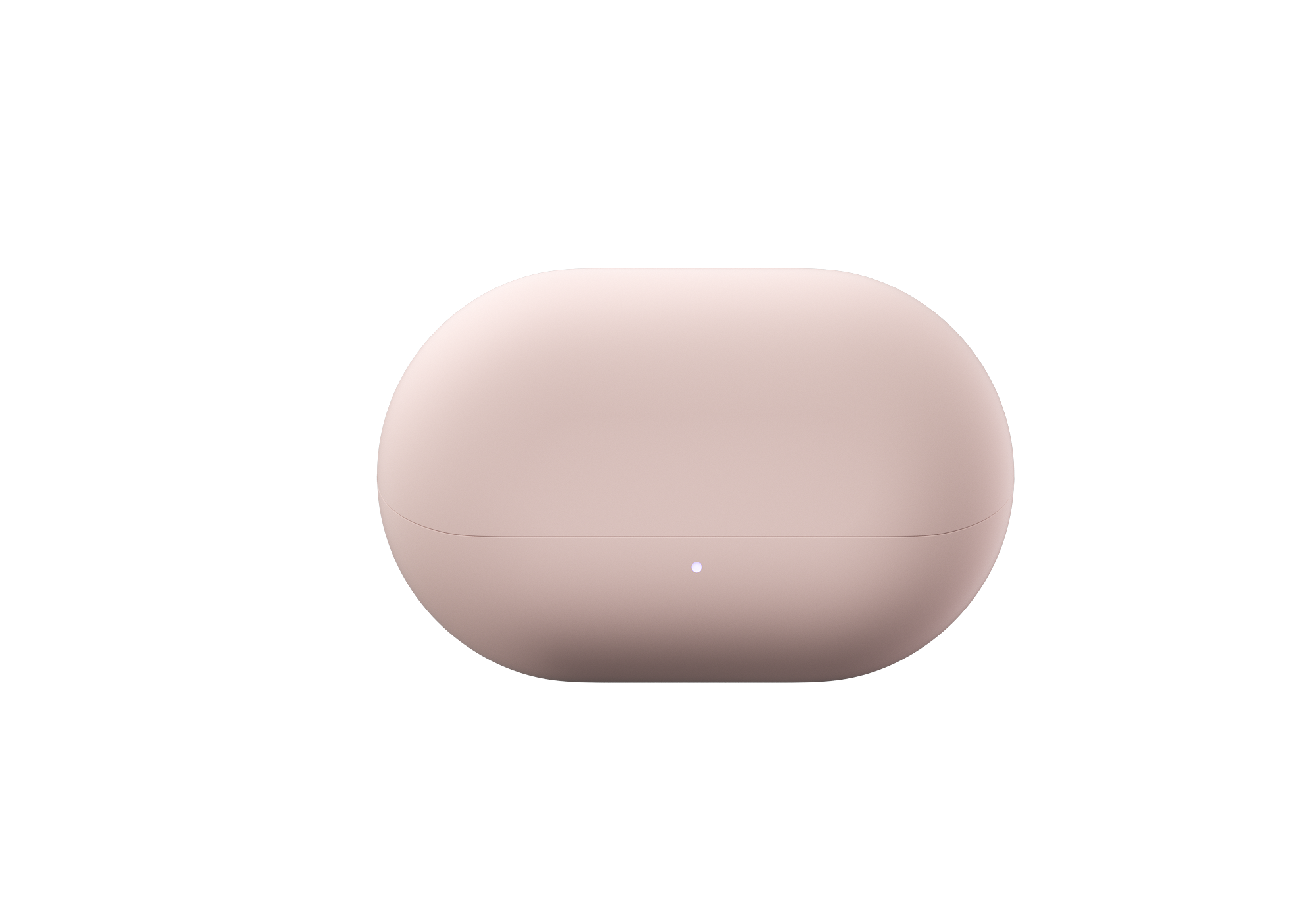
Wanneer kopers evalueren draadloze oordopjes voor B2B-aankoop, private-labelprogramma’s of OEM-partnerschappen, is aanpasbaarheid vaak de doorslaggevende factor. Het is niet voldoende dat een product direct uit de verpakking goed presteert — de echte zakelijke waarde ontstaat wanneer de hardwarearchitectuur en softwareparameters kunnen worden afgestemd op een specifiek marktsegment, merkidentiteit of gebruiksscenario van de eindgebruiker. Onze draadloze oordopjes zijn vanaf de grond af opgebouwd met dit niveau van flexibiliteit in gedachten en bieden inkoopteams en merkpartners een productplatform in plaats van een vaste SKU.
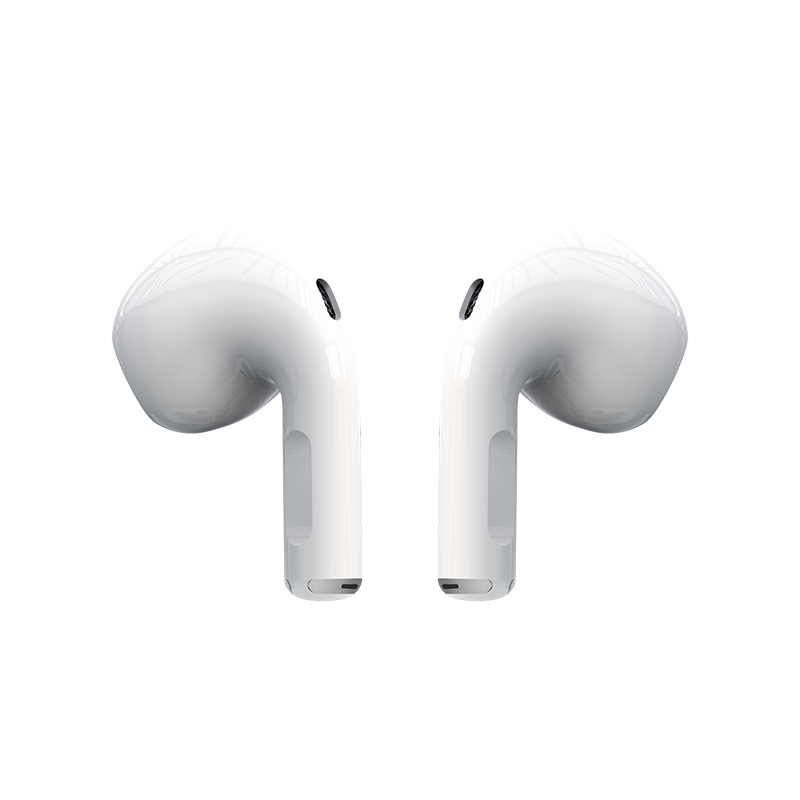
Het exact begrijpen van de voordelen van aanpassing die onze draadloze oordopjes bieden — zowel op hardware- als softwareniveau — helpt partners bij het nemen van geïnformeerde inkoopbeslissingen en het ontwikkelen van gedifferentieerde producten, zonder dat ze vanaf nul hoeven te beginnen. In dit artikel worden de belangrijkste dimensies van aanpassingsmogelijkheden besproken, de praktische implicaties voor productpositionering en de technische diepgang die een werkelijk flexibel platform onderscheidt van een oppervlakkig configureerbaar platform. Of uw prioriteit ligt op audio-prestaties, batterijduur, latentie of een merkgerichte gebruikerservaring: de flexibiliteit die in deze draadloze oordopjes is ingebouwd, ondersteunt een brede waaier commerciële doelstellingen.
Voordelen van hardwareaanpassing
Driverconfiguratie en akoestische afstemming
Het akoestische karakter van draadloze oordopjes wordt voornamelijk bepaald door de driver — zijn afmetingen, materiaalsamenstelling en afstemmingsprofiel. Onze draadloze oordopjes ondersteunen aanpassing op driver-niveau, waardoor partners frequentieresponscurven kunnen specificeren die aansluiten bij hun doelgroep. Een gamingmerk kan bijvoorbeeld nadruk op lage frequenties vereisen, terwijl een professioneel audiomerk mogelijk een vlakkere, meer referentieachtige respons verkiest. Dit is geen aanpassing via nabewerking, maar echte hardware-afstemming die op het driver-niveau wordt toegepast.
Naast de driver zelf kan het akoestische holte-ontwerp — inclusief de vormgeving van de mondstukken, de plaatsing van de openingen en het volume van de interne kamer — worden aangepast om de gewenste klanksignatuur te versterken. Deze fysieke wijzigingen beïnvloeden hoe de gelukdruk met de gehoorgang interageert, waardoor resultaten worden verkregen die niet kunnen worden nagebootst door uitsluitend EQ-aanpassingen. Voor B2B-partners die hun doelgroep goed kennen, vertaalt dit niveau van hardwarebesturing zich direct in productdifferentiatie die standhoudt bij directe vergelijking.
De keuze van materiaal voor de driverdiafragma speelt eveneens een rol. Ons platform voor draadloze oordopjes ondersteunt meerdere diafragmamogelijkheden, afhankelijk van het beoogde klankprofiel en prijsniveau. Partners kunnen hun keuze afstemmen op de prestatieverwachtingen van hun markt, zonder dat ze zijn gebonden aan één enkel akoestisch karakter voor hun gehele productassortiment.
Batterijcapaciteit en laadarchitectuur
De batterijduur behoort tot de meestgenoemde aankoopcriteria voor draadloze oordopjes, en ons platform behandelt deze als een configureerbare parameter in plaats van een vaste specificatie. Partners kunnen de celcapaciteit van de oordopjes en de batterijgrootte van de oplaadcase opgeven op basis van hun beoogde gebruiksscenario en prijspositie. Een budgetvriendelijk consumentenproduct kan gericht zijn op een compacte vormfactor met een matige gebruiksduur, terwijl een premiumvariant die is gericht op buitengebruik of reizen maximaal uithoudingsvermogen boven alles vereist.
Ook de oplaadarchitectuur zelf is even flexibel. Onze draadloze oordopjes ondersteunen zowel bedraad USB-C-opladen als optionele draadloze oplaadcase-configuraties. Voor merken die de premiummarksegmenten betreden, is draadloos opladen een basiseigenschap. Voor producten die zijn gericht op functionaliteit of robuust gebruik, kan een stevige, uitsluitend bedrade configuratie met versterkte connectorvorm de betere commerciële keuze zijn. Beide opties worden ondersteund binnen hetzelfde hardwareplatform.
Ook de snellaadparameters kunnen worden gekalibreerd. Ladecurven beïnvloeden niet alleen hoe snel het oplaadstation de oordopjes oplaadt, maar ook de levensduur van de accu op de lange termijn. Voor zakelijke of vlootimplementatiescenarios, waarbij draadloze oordopjes meerdere malen per week worden opgeladen, heeft dit niveau van batterijbeheerconfiguratie een meetbaar effect op de totale levensduur van het product en de tevredenheid van de eindgebruiker.
Voordelen van software- en firmwareaanpassing
Bluetooth-codec- en protocolconfiguratie
Onze draadloze oordopjes zijn gebouwd op een Bluetooth 5.3-chipset die meerdere audio-codec-padwegen ondersteunt. Op softwareniveau kunnen partners codec-prioriteitsstapels configureren om deze aan te passen aan hun doelplatformecosysteem. Een product dat is gericht op mobiel gamen profiteert van prioritering van ultra-lage latentie codecs, terwijl een HiFi-georiënteerde variant mogelijk hoge-resolutie audio-doorvoer boven minimalisering van latentie prioriteert. Dit zijn firmware-niveau beslissingen die de luisterervaring vormgeven, zonder dat fysieke hardwareaanpassingen nodig zijn.
Het gedrag van de Bluetooth-verbinding zelf — inclusief automatische herverbindingslogica, multi-point-koppelingsmogelijkheid en diepte van apparaatgeheugen — kan worden aangepast aan het gebruiksscenario. Zakelijke draadloze oordopjes die worden gebruikt in gedeelde apparaatpools hebben andere koppelingslogica-eisen dan consumentenproducten die zijn ontworpen voor persoonlijk dagelijks gebruik. Onze firmwarearchitectuur ondersteunt beide modellen via configureerbare verbindingbeheerparameters.
Vertragingdrempels zijn bijzonder belangrijk voor draadloze oordopjes die zijn gericht op gamen. De logica voor het activeren van de modus met ultralage vertraging, de activeringsvoorwaarden en het terugvalgedrag kunnen allemaal worden geconfigureerd om ervoor te zorgen dat het product consistent de verwachte gamingprestaties levert op het volledige scala aan apparaten waarmee het in de praktijk wordt gebruikt. Dit is een niveau van softwareverfijning dat marketingclaims direct ondersteunt en merken helpt om geloofwaardigheidsproblemen na lancering te voorkomen.
EQ-profielen en aanraakbedieningsconfiguratie
Softwaregebaseerde EQ-profielen die zijn ingebed in de firmware, stellen partners in staat om een merkgerichte luisterervaring te bieden zonder uitsluitend afhankelijk te zijn van een bijbehorende app. Vooraf ingestelde EQ-curve's kunnen worden geïntegreerd in de standaardstatus van de draadloze oordopjes, zodat de eerste indruk bij gebruik aansluit bij het door het merk beoogde audiokarakter. Dit is van belang in retailomgevingen, waar oordopjes vaak worden gedemonstreerd en getest zonder dat er eerst een app hoeft te worden geïnstalleerd.
De toewijzing van aanraakbediening is een andere hoogwaardige aanpassingslaag. De capacitieve aanraakvlakken op onze draadloze oordopjes ondersteunen configureerbare toewijzingen van gebaren aan functies. Een enkele tik, dubbele tik, driedubbele tik en lang ingedrukte knop kunnen elk worden gekoppeld aan verschillende functies — afspelbesturing, volumeregeling, activering van de spraakassistent, ANC-inschakelen/uitschakelen of overschakelen naar gamemodus. Partners kunnen deze standaardinstellingen definiëren om ze af te stemmen op de functieprioriteiten van hun doelgroep, in plaats van een algemene bedieningsconfiguratie te leveren.
Voor partners die de aanpassingsmogelijkheden willen uitbreiden tot de eindgebruiker, bevat de firmware van onze draadloze oordopjes een SDK-framework voor een bijbehorende app. Dit maakt het mogelijk om een merkgebonden app te ontwikkelen met door de gebruiker instelbare EQ-aanpassing, herindeling van bedieningsfuncties en levering van firmware-updates — allemaal onder de merkidentiteit van de partner. De onderliggende firmware verzorgt de zware verwerkingswerkzaamheden, terwijl de partner de front-endervaring volledig in eigen hand houdt.
Industriële vormgeving en fysieke aanpassing
Vormfactor en ergonomische varianten
Fysieke aanpassing van draadloze oordopjes gaat verder dan alleen de keuze van kleur. Ons platform ondersteunt wijzigingen op gereedschapsniveau van de geometrie van de oordopjes, de maatopties voor oordopjes en de verhoudingen van de vormgeving van de behuizing. Partners die actief zijn in de sport- en fitnesssegmenten hebben vaak behoefte aan een profiel met een veiliger pasvorm, inclusief vleugelvormige tips, terwijl lifestylemerken vaak een compacte, minimalistische esthetiek nastreven. Beide ontwerprichtingen zijn haalbaar binnen ons ontwikkelingskader.
Het materiaal en het maatbereik van de oordopjes kunnen worden afgestemd op specifieke ergonomische vereisten. Standaardopties zoals siliconen, geheugenfoam en dubbele flens bieden elk een ander niveau van passieve geluidsisolatie en draagcomfort. Voor draadloze oordopjes die zijn bedoeld voor langdurig gebruik — zoals communicatiemiddelen op de werkvloer of toepassingen voor taalverwerving — kan ergonomische afstemming op het niveau van de oordopjes aanzienlijk verminderen dat luisteraars vermoeid raken en verbeteren dat gebruikers tevreden blijven tijdens langdurig gebruik.
Aanpassing van het behuizingsontwerp omvat het type dekselmechanisme, het scharniermateriaal, de oppervlaktestructuur aan de buitenzijde en de plaatsing van de aansluitingen. Deze keuzes beïnvloeden zowel de tactiele indruk van het product als zijn duurzaamheidsprofiel. Een rubberachtige buitenkant met versterkte scharnierpunten is geschikt voor een outdoor- of robuuste positionering, terwijl een gladde glansafwerking met een vlakke magnetische dekselsluiting een premium consumentenaantrekkelijkheid aangeeft. Ons team werkt samen met partners om de ontwerptaal van de behuizing af te stemmen op de esthetiek van hun bredere productfamilie.
Merkvorming, kleur en oppervlakteafwerkingsopties
De uitdrukking van de merkidentiteit op draadloze oortelefoons wordt bereikt via een combinatie van kleur, afwerking en markeringsopties. Ons platform ondersteunt aangepaste kleurafstemming volgens Pantone- of RAL-specificaties, zowel voor de oortelefoonshells als voor de oplaadbehuisingen. Dit stelt partners in staat om merkconsistentie te behouden over verschillende productlijnen, zonder zich te moeten neerleggen bij bijna-overeenkomstige standaardkleuropties.
Mogelijkheden voor oppervlakteafwerking omvatten mat, glans, zacht-aanvoelende rubbercoating en metalen lakeffecten. Elke afwerkingsoptie heeft verschillende praktische implicaties — matte oppervlakken zijn bestand tegen vingerafdrukken bij dagelijks gebruik, terwijl glanzende afwerkingen beter op foto’s uitkomen voor e-commerce en detailverpakkingen. Ons productieproces ondersteunt wijzigingen in de afwerking zonder dat dit aanzienlijk van invloed is op de kernstructuur van het product of de levertijd.
Logo- en merknaamtoepassing op draadloze oortelefoons kan worden bereikt via stempeldruk, lasergravure of UV-druk, afhankelijk van het oppervlakmateriaal en het gewenste duurzaamheidsniveau. Lasergravure biedt de hoogste duurzaamheid voor logo’s op aluminium- of harde kunststofonderdelen en is daarom de voorkeurskeuze voor premiumproducten waar langdurige merkzichtbaarheid van belang is. Partners kunnen verschillende markeringstechnieken specificeren voor verschillende onderdelen binnen dezelfde SKU.
Integratievoordelen voor B2B- en OEM-partners
Modulair ontwikkelingsproces en beheersing van de levertijd
Een van de structurele voordelen van werken met een platformgebaseerde aanpak voor draadloze oortelefoons is de mogelijkheid om aanpassingen stapsgewijs toe te voegen, zonder de ontwikkeling opnieuw vanaf nul te hoeven starten. Hardwareaanpassingen die geen invloed hebben op de kernchipset of het antenneontwerp, kunnen vaak onafhankelijk worden gevalideerd, waardoor de totale ontwikkelingscycli worden verkort. Partners die beginnen met een standaardconfiguratie en in gedefinieerde fasen merk-specifieke wijzigingen introduceren, profiteren van een snellere time-to-market, zonder dat de diepte van de differentiatie wordt aangetast.
Firmwareaanpassingen volgen met name een gestructureerd releaseproces. De basisfirmware is stabiel en veldgevalideerd, terwijl aanpassingsbranches bovenop een bekend betrouwbare basis worden toegepast. Deze architectuur vermindert het risico op regressies door merk-specifieke wijzigingen en zorgt ervoor dat partners een betrouwbaar product ontvangen, ongeacht de mate van aanpassing die zij voor hun draadloze oortelefoons nodig hebben.
Documentatie en naleidingsondersteuning voor aangepaste configuraties zijn opgenomen als onderdeel van de ontwikkelingspartnerschap. Regelgevende indieningen voor gewijzigde draadloze oortelefoons — inclusief wijzigingen in RF-uitvoerparameters, accessoireconfiguraties of ondersteuning voor regionale frequentiebanden — worden beheerd met partnerspecifieke certificeringsstrategieën in plaats van algemene, allesomvattende benaderingen. Dit vermindert de naleidingslast voor partners die mogelijk niet over uitgebreide interne expertise op het gebied van RF-regelgeving beschikken.
Schaalbaarheid en versiebeheer
Naarmate productlijnen zich ontwikkelen, moeten partners vaak bijgewerkte versies van draadloze oordopjes introduceren zonder het merkwaarde te verliezen dat is opgebouwd rond een bestaand ontwerp. Ons platform ondersteunt gecontroleerde versievertakking — het introduceren van nieuwe drivers, bijgewerkte chipsets of herziene batterijconfiguraties, terwijl de achterwaartse compatibiliteit met bestaande oordopjeshouders, laadaccessoires en app-ecosystemen behouden blijft. Dit is een aanzienlijk operationeel voordeel voor merken die portefeuilles met meerdere SKU’s van draadloze oordopjes beheren.
Het beheer van firmwareversies over geïmplementeerde eenheden vindt plaats via infrastructuur voor updates via de lucht (over-the-air), die partners kunnen beheren via hun bijbehorende app-frameworks. Dit betekent dat softwarematige verbeteringen — zoals codec-updates, verfijningen van aanraakbediening en optimalisaties van latentie — aan bestaande gebruikers kunnen worden geleverd zonder dat een hardwarevernieuwingscyclus nodig is. Voor merken met een abonnementsmodel of een communautair gericht commercieel model vormt deze mogelijkheid tot voortdurende verbetering een aanzienlijke factor voor klantretentie en -tevredenheid.
De productieschaalbaarheid voor aangepaste draadloze oordopjes wordt ondersteund door gestapelde MOQ-structuren die het niveau van aanpassing weerspiegelen. Fysieke gereedschapsaanpassingen vereisen hogere minimale bestelhoeveelheden dan wijzigingen in firmware of uitsluitend branding, waardoor partners hun investering in aanpassing geleidelijk kunnen opvoeren in lijn met hun commerciële zekerheid in elke ontwikkelingsfase.
Veelgestelde vragen
Kunnen de draadloze oordopjes tegelijkertijd worden aangepast voor zowel gaming als muziekgebruik?
Ja. De firmware van onze draadloze oordopjes ondersteunt meerdere bedrijfsmodi — waaronder een modus met ultragebreide latentie voor gaming en een modus voor hoge geluidskwaliteit voor muziek — die beide in één en dezelfde firmwarebuild aanwezig kunnen zijn. Aanraakbedieningsgebaren of schakelaars in de bijbehorende app kunnen worden geconfigureerd om tussen deze modi te wisselen, zodat één enkel SKU effectief aan beide gebruiksscenario’s kan voldoen, zonder afbreuk te doen aan de prestaties in welke richting dan ook.
Wat is de minimale bestelhoeveelheid voor hardwarematige aanpassingen van de draadloze oordopjes?
De MOQ-vereisten variëren afhankelijk van het type aanpassing. Merkgerelateerde aanpassingen en kleurwijzigingen vereisen doorgaans de laagste minimale bestelhoeveelheden, terwijl wijzigingen op toolingniveau van de behuizingvorm of driverconfiguratie hogere volumes vereisen om de ontwikkelings- en toolingkosten te spreiden. Ons team werkt samen met partners om het juiste aanpassingsniveau te bepalen dat aansluit bij hun verwachte volumes en commerciële tijdlijn, inclusief gefaseerde aanpakken voor partners die geleidelijk aan groeien.
Hoe beïnvloedt firmwareaanpassing de regelgevende certificeringsstatus van de draadloze oordopjes?
Firmwarewijzigingen die de RF-transmissieparameters niet wijzigen — zoals EQ-profielen, bedieningsmappings of codec-prioriteitsinstellingen — vereisen over het algemeen geen hercertificering. Wijzigingen die van invloed zijn op het Bluetooth-uitgangsvermogen of het gedrag binnen frequentiebanden kunnen bijgewerkte regelgevende aanvragen vereisen. Wij beoordelen elk verzoek tot aanpassing op basis van de relevante certificeringsimplicaties en adviseren partners dienovereenkomstig, met ondersteuning voor regionale naleving in belangrijke markten.
Is een companion-app vereist om toegang te krijgen tot de aanpassingsmogelijkheden van de draadloze oordopjes?
Nee. Kernaanpassingsparameters zoals het standaard EQ-profiel, toewijzingen van aanraakbediening en standaardinstellingen voor de bedrijfsmodus zijn direct ingebed in de firmware van de draadloze oordopjes. Een bijbehorende app verbetert de eindgebruikerservaring door real-time aanpassing en personalisatie mogelijk te maken, maar het product werkt volledig en biedt de merkervaring zonder dat een app hoeft te worden geïnstalleerd. Dit is bewust zo ontworpen voor detailhandelsdemo-omgevingen en markten met lagere app-adoptietarieven.
Inhoudsopgave
- Voordelen van hardwareaanpassing
- Voordelen van software- en firmwareaanpassing
- Industriële vormgeving en fysieke aanpassing
- Integratievoordelen voor B2B- en OEM-partners
-
Veelgestelde vragen
- Kunnen de draadloze oordopjes tegelijkertijd worden aangepast voor zowel gaming als muziekgebruik?
- Wat is de minimale bestelhoeveelheid voor hardwarematige aanpassingen van de draadloze oordopjes?
- Hoe beïnvloedt firmwareaanpassing de regelgevende certificeringsstatus van de draadloze oordopjes?
- Is een companion-app vereist om toegang te krijgen tot de aanpassingsmogelijkheden van de draadloze oordopjes?