AI Products in Healthcare: Revolutionary Medical Technology Solutions for Enhanced Patient Care

Shenzhen Qianlang Era Technology Co., Ltd. Shenzhen Qianlang Era Technology Co., Ltd.

Get a Free Quote

Our representative will contact you soon.
Email
Name
Company Name
Mobile/WhatsApp
Message
0/1000

ai products in healthcare

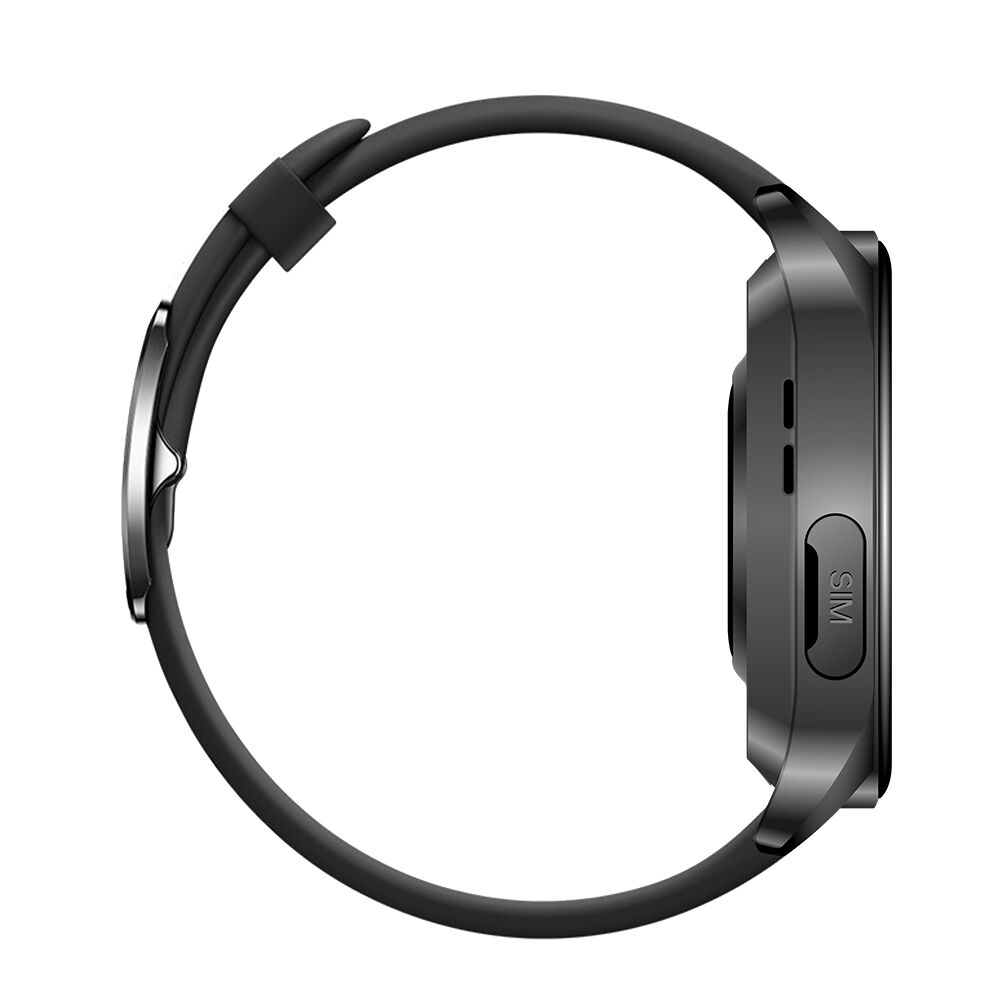
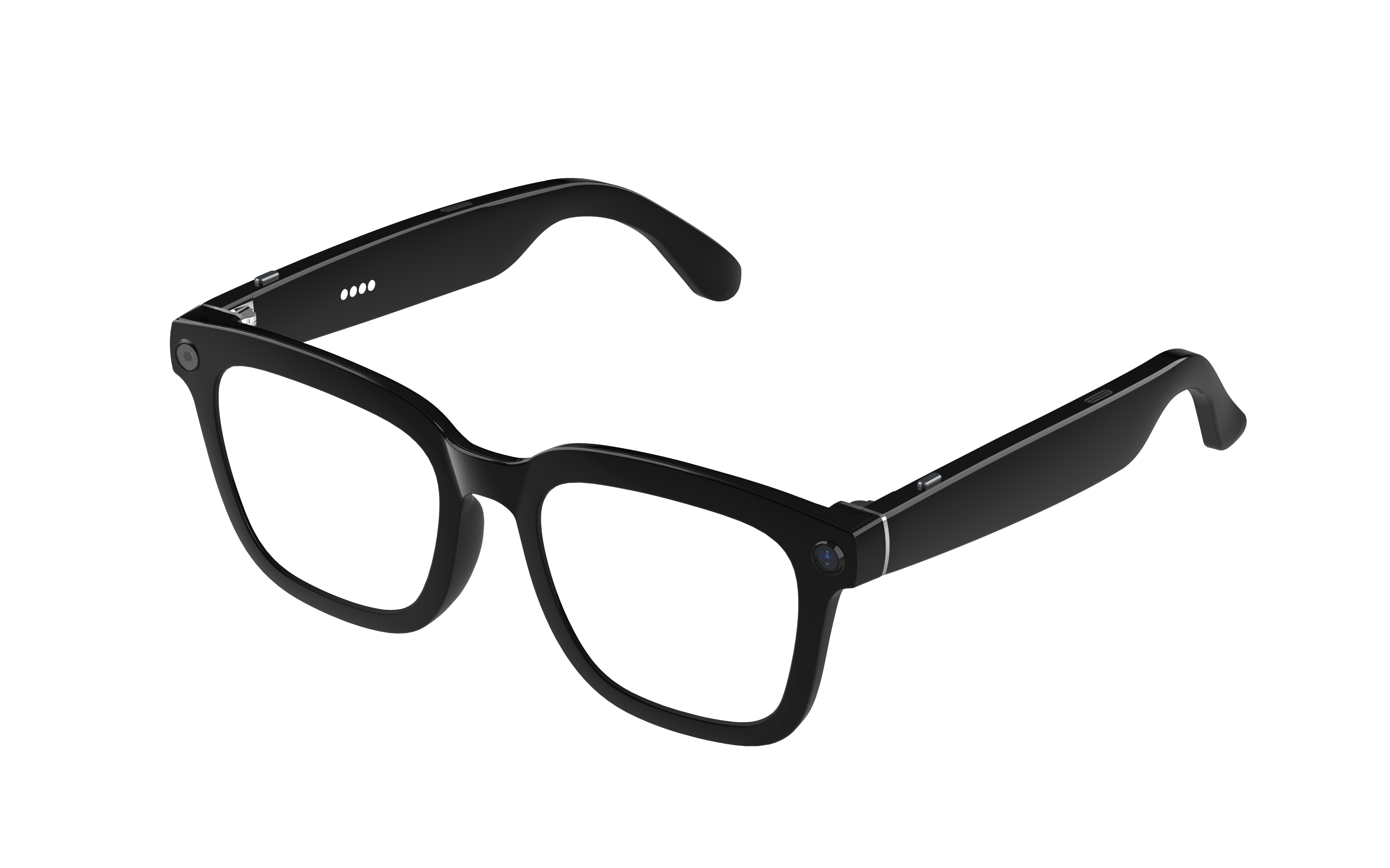
AI products in healthcare represent a transformative revolution that is reshaping medical practice across the globe. These sophisticated technological solutions leverage artificial intelligence algorithms, machine learning capabilities, and advanced data analytics to enhance patient care, streamline medical workflows, and improve diagnostic accuracy. The core functionality of AI products in healthcare encompasses diagnostic imaging analysis, predictive analytics for patient outcomes, drug discovery acceleration, personalized treatment recommendations, and automated administrative tasks. These systems utilize deep learning neural networks, natural language processing, and computer vision technologies to process vast amounts of medical data with unprecedented speed and precision. Medical imaging AI products can detect anomalies in radiological scans, identifying potential tumors, fractures, or cardiovascular issues faster than traditional methods. Predictive analytics platforms analyze patient histories, vital signs, and laboratory results to forecast health deterioration risks, enabling proactive interventions. Virtual health assistants powered by AI products in healthcare provide 24/7 patient support, medication reminders, and symptom monitoring through mobile applications and wearable devices. Electronic health record systems integrated with AI capabilities automate documentation processes, reduce administrative burden, and ensure compliance with medical standards. Robotic surgical assistants represent another category of AI products in healthcare, offering surgeons enhanced precision, reduced invasiveness, and improved patient safety during complex procedures. Telemedicine platforms incorporate AI-driven triage systems that prioritize patient cases based on urgency levels, optimizing resource allocation and reducing wait times. Drug development AI products analyze molecular structures, predict compound interactions, and accelerate pharmaceutical research timelines from years to months. These comprehensive AI products in healthcare solutions are deployed across hospitals, clinics, research institutions, and home care settings, creating an interconnected ecosystem that supports continuous patient monitoring and evidence-based medical decision-making throughout the entire healthcare delivery chain.

Popular Products

AI products in healthcare deliver substantial practical benefits that directly impact patient outcomes, operational efficiency, and cost management for healthcare organizations. These systems significantly reduce diagnostic errors by providing physicians with data-driven insights that complement clinical expertise, leading to more accurate diagnoses and appropriate treatment plans. Healthcare providers experience dramatic improvements in workflow efficiency as AI products automate routine tasks such as appointment scheduling, insurance verification, and medical record updates, allowing medical staff to focus on patient care rather than administrative duties. Cost reduction represents a major advantage as AI products in healthcare minimize unnecessary tests, prevent hospital readmissions through early risk detection, and optimize resource utilization across departments. Patient safety improves substantially when AI monitoring systems continuously track vital signs, medication interactions, and treatment responses, alerting medical teams to potential complications before they become critical. Early disease detection capabilities enable healthcare providers to identify conditions such as cancer, heart disease, and neurological disorders in their initial stages when treatment options are most effective and less invasive. Personalized medicine becomes achievable through AI products that analyze individual patient genetics, lifestyle factors, and medical histories to recommend tailored treatment protocols that maximize therapeutic outcomes while minimizing adverse effects. Healthcare accessibility expands significantly as AI-powered telemedicine platforms bring specialist consultations to remote areas, reducing geographical barriers and ensuring patients receive expert care regardless of location. Quality assurance improves as AI products in healthcare standardize treatment protocols, reduce human variability in care delivery, and ensure adherence to best practice guidelines across all healthcare providers. Research acceleration occurs when AI systems analyze clinical trial data, identify patient populations for studies, and discover new therapeutic targets, speeding up the development of innovative treatments. Healthcare professionals gain enhanced decision-making capabilities through AI products that process complex medical literature, treatment guidelines, and patient data to provide evidence-based recommendations at the point of care. Patient engagement increases through AI-powered mobile applications that provide educational content, track health metrics, and facilitate communication between patients and healthcare teams, leading to better treatment adherence and improved health outcomes.

Latest News

AI-Powered Consumer Electronics Pioneer: Shaping the Future of Smart Living

19

Dec

AI-Powered Consumer Electronics Pioneer: Shaping the Future of Smart Living

View More
Deep Voice: Travel-Focused AI Translation to Beat Language Barriers

02

Dec

Deep Voice: Travel-Focused AI Translation to Beat Language Barriers

View More
Unlock the Future of AI: Our Alibaba International Station Debuts a Game-Changing Portfolio of Smart Devices

27

Nov

Unlock the Future of AI: Our Alibaba International Station Debuts a Game-Changing Portfolio of Smart Devices

View More

Get a Free Quote

Our representative will contact you soon.
Email
Name
Company Name
Mobile/WhatsApp
Message
0/1000

ai products in healthcare

Revolutionary Diagnostic Accuracy Through Advanced AI Analysis

Revolutionary Diagnostic Accuracy Through Advanced AI Analysis

AI products in healthcare have fundamentally transformed diagnostic processes by delivering unprecedented accuracy levels that surpass traditional diagnostic methods across multiple medical specialties. These sophisticated systems utilize deep learning algorithms trained on millions of medical images, laboratory results, and clinical datasets to identify patterns and anomalies that might escape human detection. In radiology, AI products can detect lung cancer nodules with 94% accuracy compared to 65% accuracy achieved by human radiologists alone, while simultaneously reducing false positive rates by 11%. Pathology applications demonstrate equally impressive results, with AI systems identifying skin cancer melanomas with dermatologist-level precision and detecting diabetic retinopathy in routine eye examinations before patients experience vision symptoms. The technology excels in cardiology applications, where AI products in healthcare analyze electrocardiograms to predict heart attacks up to five years before they occur, enabling preventive interventions that save lives and reduce healthcare costs. These diagnostic AI systems process medical imaging studies in minutes rather than hours, dramatically reducing patient wait times and anxiety while enabling faster treatment initiation. Emergency departments benefit enormously from AI products that prioritize patient cases based on symptom severity and likelihood of critical conditions, ensuring that life-threatening cases receive immediate attention. The integration of AI diagnostic tools with electronic health records creates comprehensive patient profiles that consider historical data, genetic factors, and current symptoms to generate differential diagnoses with confidence scores. Healthcare providers report increased diagnostic confidence when utilizing AI products in healthcare, as these systems provide supporting evidence and alternative diagnostic possibilities that enhance clinical decision-making processes. Rural and underserved communities gain access to specialist-level diagnostic capabilities through AI products, reducing healthcare disparities and ensuring that geographic location no longer determines diagnostic quality. The continuous learning capabilities of these AI systems mean that diagnostic accuracy improves over time as they process more cases and incorporate new medical research findings. Quality assurance becomes automated as AI products in healthcare flag potential diagnostic errors, unusual findings, or cases requiring second opinions, creating multiple safety nets that protect patient welfare and maintain diagnostic standards across all healthcare settings.
Streamlined Healthcare Operations and Workflow Optimization

Streamlined Healthcare Operations and Workflow Optimization

AI products in healthcare revolutionize operational efficiency by automating complex administrative processes, optimizing resource allocation, and creating seamless workflows that enhance productivity across entire healthcare systems. These intelligent platforms manage appointment scheduling by analyzing patient preferences, provider availability, treatment durations, and follow-up requirements to create optimized schedules that minimize wait times and maximize provider utilization rates. Revenue cycle management becomes significantly more efficient as AI systems automatically verify insurance eligibility, process prior authorizations, code medical procedures accurately, and identify billing discrepancies before claims submission, reducing denials and accelerating payment cycles. Inventory management transforms through AI products that predict supply needs based on historical usage patterns, seasonal variations, and upcoming procedures, ensuring critical supplies remain available while minimizing waste and storage costs. Staff scheduling optimization occurs when AI algorithms consider employee skills, patient acuity levels, regulatory requirements, and personal preferences to create balanced schedules that maintain appropriate staffing levels across all departments. Bed management systems powered by AI products in healthcare predict discharge times, identify patients ready for transfer, and coordinate admissions to maximize bed utilization while maintaining patient safety standards. Clinical workflow automation reduces documentation burden through voice recognition systems that transcribe physician notes, auto-populate medical forms, and ensure regulatory compliance without requiring additional staff time. Patient flow optimization utilizes real-time data analysis to predict bottlenecks, redirect patient traffic, and coordinate between departments to minimize delays and improve patient satisfaction scores. Quality metrics tracking becomes automated as AI products monitor key performance indicators, identify trends, and generate actionable insights that help healthcare organizations meet accreditation standards and improve patient outcomes. Supply chain optimization extends beyond individual facilities as AI systems coordinate with vendors, predict market fluctuations, and negotiate contracts based on usage analytics and quality metrics. Communication enhancement occurs through AI-powered platforms that facilitate information sharing between departments, alert relevant staff members about critical changes, and maintain comprehensive audit trails for regulatory compliance. These AI products in healthcare create interconnected systems where operational decisions are based on real-time data analysis rather than historical assumptions, resulting in more responsive and efficient healthcare delivery that benefits patients, providers, and healthcare organizations simultaneously.
Personalized Treatment Optimization and Patient Care Enhancement

Personalized Treatment Optimization and Patient Care Enhancement

AI products in healthcare enable unprecedented levels of personalized medicine by analyzing individual patient characteristics, genetic profiles, lifestyle factors, and treatment responses to create customized care plans that maximize therapeutic outcomes while minimizing adverse effects. These sophisticated systems process genomic data, biomarkers, medical histories, and real-world evidence to identify optimal treatment protocols for each patient's unique circumstances. Oncology applications demonstrate remarkable success as AI products analyze tumor genetics, patient immune profiles, and drug sensitivity patterns to recommend precision cancer treatments that achieve higher response rates and fewer side effects compared to standard protocols. Pharmacogenomics integration allows AI systems to predict how individual patients will metabolize specific medications, enabling physicians to prescribe optimal drug dosages and avoid potentially harmful drug interactions before treatment begins. Chronic disease management becomes highly personalized as AI products in healthcare continuously monitor patient data from wearable devices, mobile applications, and home monitoring equipment to adjust treatment plans in real-time based on disease progression and lifestyle changes. Mental health applications utilize AI algorithms to analyze speech patterns, behavioral data, and self-reported symptoms to personalize therapy recommendations, medication adjustments, and intervention timing for optimal mental health outcomes. Rehabilitation programs benefit from AI products that adapt exercise regimens, track progress metrics, and modify treatment intensity based on individual patient responses and recovery rates. Preventive care optimization occurs when AI systems analyze risk factors, family histories, and environmental exposures to create personalized screening schedules and lifestyle recommendations that prevent disease development. Treatment adherence improves significantly through AI-powered reminders, educational content delivery, and motivational interventions tailored to individual patient preferences and behavioral patterns. Clinical trial matching becomes more precise as AI products in healthcare analyze patient profiles against trial eligibility criteria to identify optimal research opportunities that benefit both patients and medical research advancement. Nutrition and wellness planning utilizes AI algorithms to create personalized dietary recommendations, exercise programs, and lifestyle modifications based on genetic predispositions, current health status, and personal goals. Patient engagement increases through AI-driven educational platforms that deliver relevant health information, answer questions in real-time, and provide emotional support throughout treatment journeys. These AI products in healthcare transform the traditional one-size-fits-all approach to medicine into highly individualized care experiences that recognize each patient's unique needs, preferences, and biological characteristics, resulting in better health outcomes and increased patient satisfaction.

Get a Free Quote

Our representative will contact you soon.
Email
Name
Company Name
Mobile/WhatsApp
Message
0/1000