AI-Powered Electronics: Revolutionary Smart Technology for Modern Living

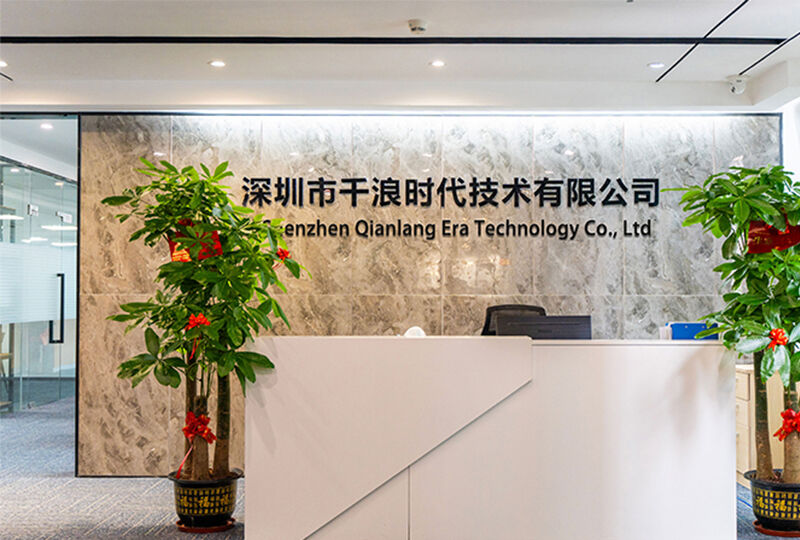
Shenzhen Qianlang Era Technology Co., Ltd. Shenzhen Qianlang Era Technology Co., Ltd.

Get a Free Quote

Our representative will contact you soon.
Email
Name
Company Name
Mobile/WhatsApp
Message
0/1000

ai-powered electronics

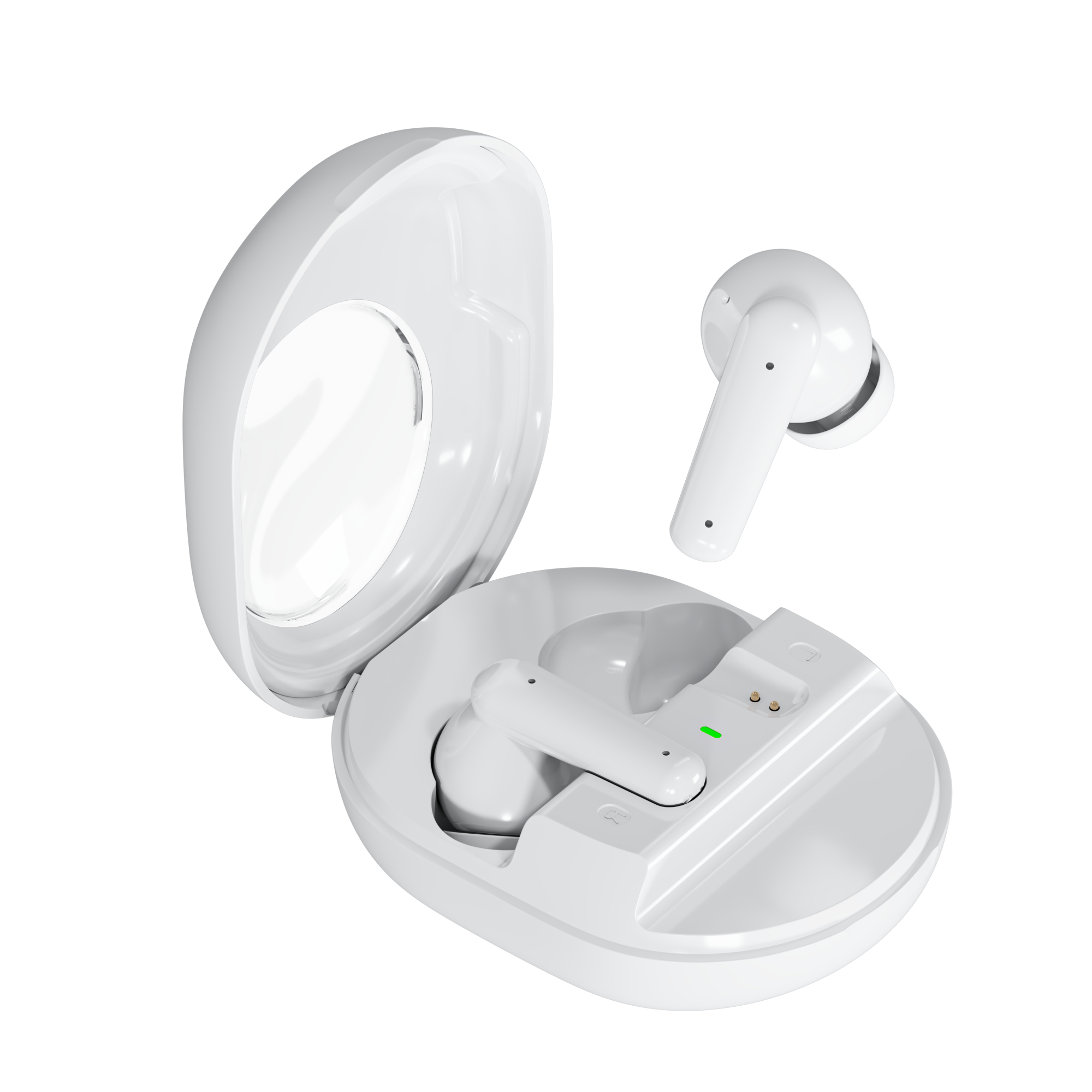
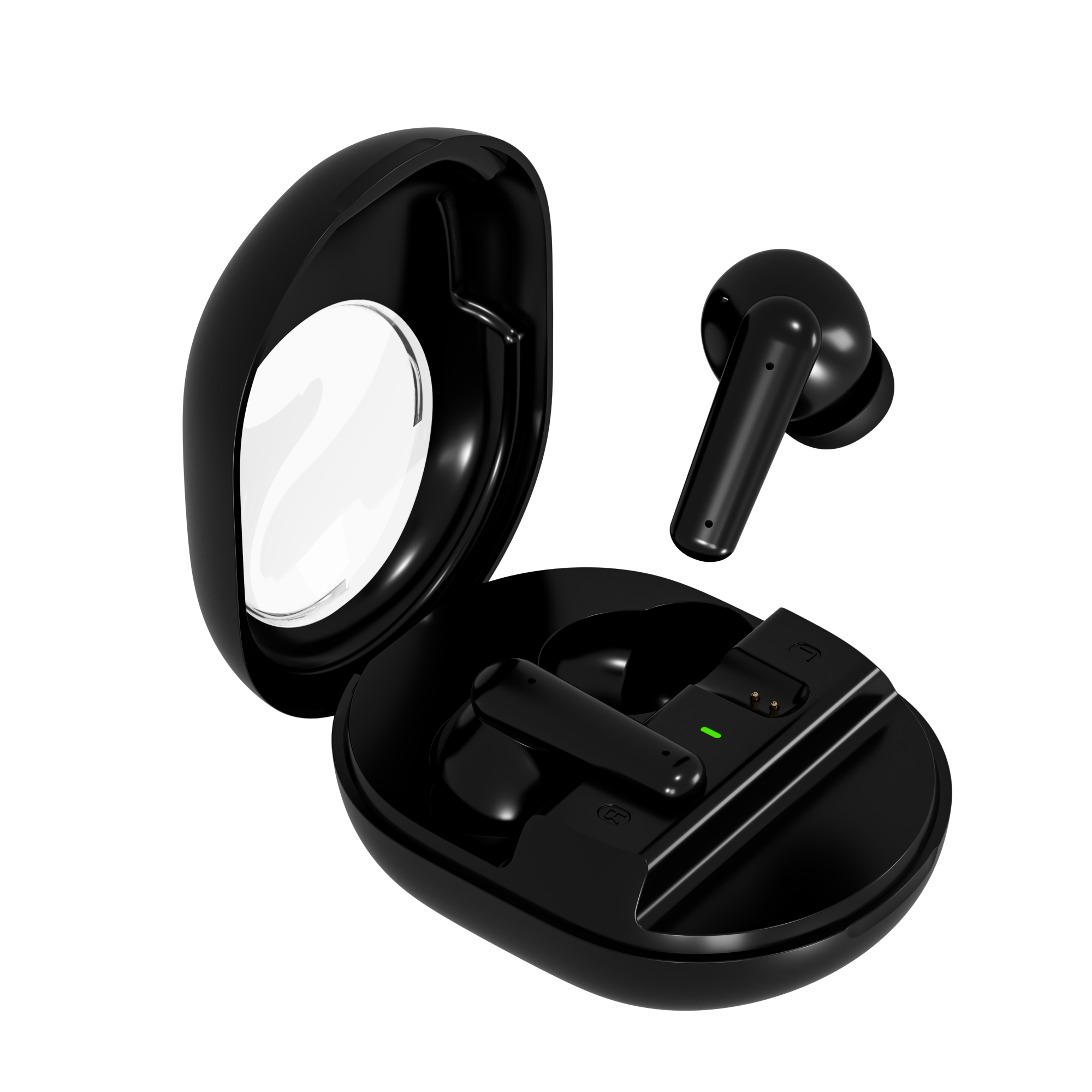
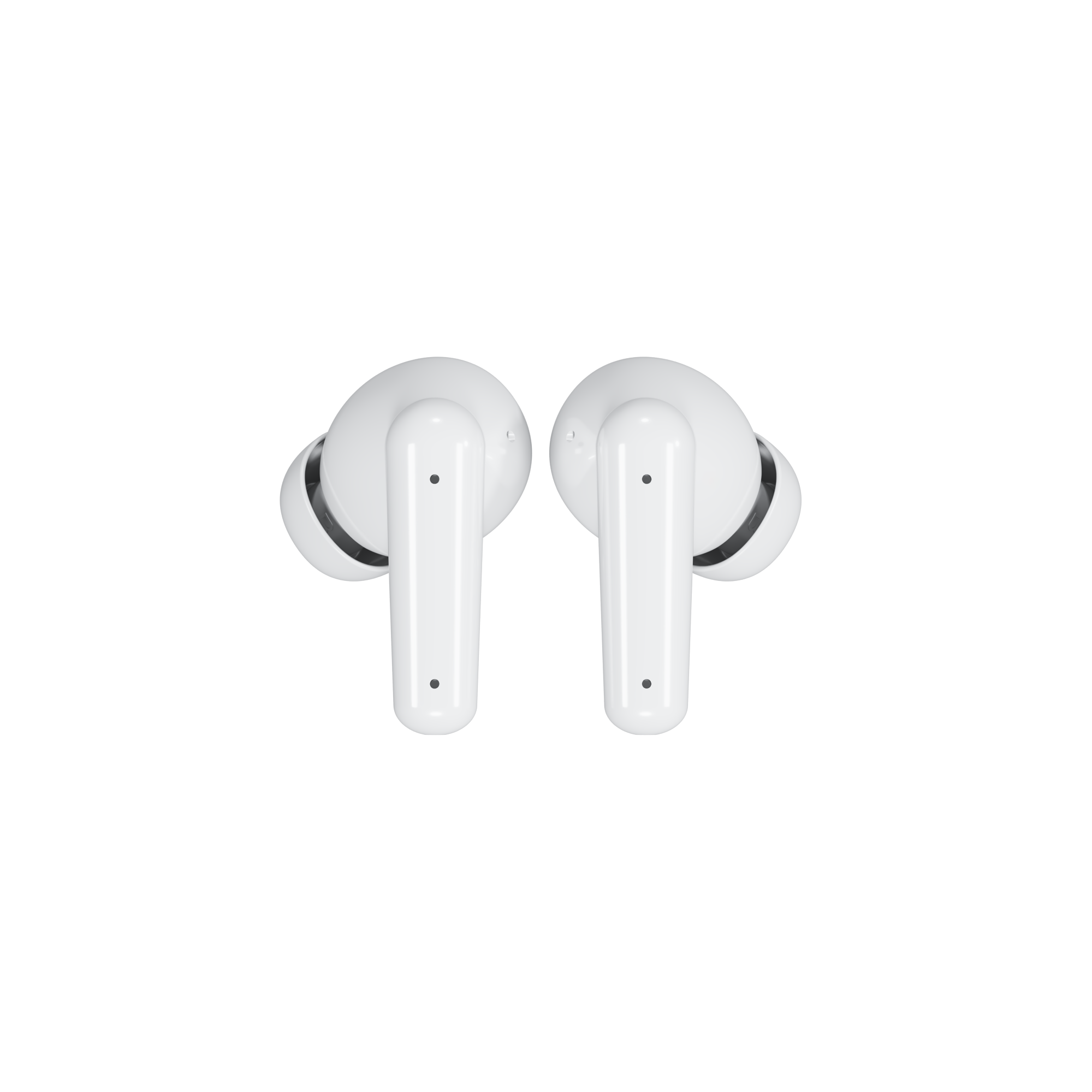
AI-powered electronics represent a revolutionary advancement in modern technology, integrating artificial intelligence capabilities directly into electronic devices to create smarter, more responsive, and highly efficient products. These cutting-edge ai-powered electronics combine traditional hardware components with sophisticated machine learning algorithms, neural networks, and advanced processing units to deliver unprecedented performance and user experiences. The main functions of ai-powered electronics encompass predictive analytics, automated decision-making, adaptive learning, real-time optimization, and intelligent user interaction. These devices can analyze vast amounts of data instantaneously, recognize patterns, and make autonomous adjustments to improve their performance continuously. Technologically, ai-powered electronics feature specialized AI chips, advanced sensors, cloud connectivity, and edge computing capabilities that enable them to process information locally while maintaining seamless integration with broader smart ecosystems. The applications of ai-powered electronics span across numerous industries and consumer segments, including smart home automation, healthcare monitoring, automotive systems, industrial manufacturing, entertainment devices, and personal computing. In smart homes, ai-powered electronics can learn user preferences, optimize energy consumption, and provide predictive maintenance alerts. Healthcare applications include wearable devices that monitor vital signs and detect anomalies, while automotive implementations feature advanced driver assistance systems and autonomous vehicle technologies. Industrial applications leverage ai-powered electronics for predictive maintenance, quality control, and process optimization. These devices utilize machine learning algorithms to continuously improve their functionality, adapting to user behaviors and environmental conditions to provide increasingly personalized and efficient services. The integration of AI into electronics has transformed static devices into dynamic, learning systems that evolve and improve over time, making them invaluable tools for both personal and professional applications across diverse technological landscapes.

New Product Releases

The advantages of ai-powered electronics deliver substantial practical benefits that transform how users interact with technology in their daily lives. These intelligent devices learn from your usage patterns and automatically adjust settings to match your preferences, eliminating the need for constant manual configuration. You save significant time because ai-powered electronics anticipate your needs and perform tasks before you even request them, such as adjusting temperature settings based on your schedule or preparing coffee when your morning alarm sounds. Energy efficiency becomes dramatically improved as these smart systems monitor consumption patterns and optimize power usage, reducing your electricity bills while maintaining optimal performance levels. The convenience factor multiplies exponentially since ai-powered electronics can manage multiple functions simultaneously, coordinating different devices to work together seamlessly without your intervention. Security benefits increase substantially as these systems can detect unusual patterns, identify potential threats, and implement protective measures automatically, providing peace of mind for both personal and business applications. Maintenance becomes proactive rather than reactive, as ai-powered electronics predict when components need servicing or replacement, preventing costly breakdowns and extending device lifespan. User experience improves continuously through adaptive learning capabilities that make devices more intuitive and responsive over time, creating personalized interactions that feel natural and effortless. Cost savings accumulate through improved efficiency, reduced waste, predictive maintenance, and optimized resource utilization, making ai-powered electronics financially beneficial investments. Accessibility features expand dramatically as these devices can adapt interfaces for users with different abilities, providing voice control, gesture recognition, and customizable interaction methods. Performance optimization occurs automatically as ai-powered electronics adjust their operations based on real-time conditions, ensuring consistent high-quality results regardless of external factors. Integration capabilities allow these devices to communicate with other smart systems, creating comprehensive ecosystems that enhance overall functionality and user satisfaction across multiple platforms and applications.

Latest News

AI-Powered Consumer Electronics Pioneer: Shaping the Future of Smart Living

19

Dec

AI-Powered Consumer Electronics Pioneer: Shaping the Future of Smart Living

View More
Deep Voice: Travel-Focused AI Translation to Beat Language Barriers

02

Dec

Deep Voice: Travel-Focused AI Translation to Beat Language Barriers

View More
Unlock the Future of AI: Our Alibaba International Station Debuts a Game-Changing Portfolio of Smart Devices

27

Nov

Unlock the Future of AI: Our Alibaba International Station Debuts a Game-Changing Portfolio of Smart Devices

View More

Get a Free Quote

Our representative will contact you soon.
Email
Name
Company Name
Mobile/WhatsApp
Message
0/1000

ai-powered electronics

Intelligent Adaptive Learning Technology

Intelligent Adaptive Learning Technology

The intelligent adaptive learning technology embedded in ai-powered electronics represents one of the most significant innovations in modern consumer technology, fundamentally changing how devices understand and respond to user behavior. This sophisticated feature enables ai-powered electronics to continuously monitor user interactions, environmental conditions, and usage patterns to build comprehensive behavioral models that inform future operations. Unlike traditional electronics that operate with fixed programming, these adaptive systems evolve their functionality based on real-world data, creating increasingly personalized experiences that align perfectly with individual preferences and lifestyle requirements. The learning algorithms analyze thousands of data points daily, including timing patterns, frequency of use, environmental variables, and user feedback to refine their understanding of optimal performance parameters. This technology proves invaluable for busy professionals who need their devices to anticipate needs throughout demanding schedules, automatically adjusting lighting, temperature, and device settings based on calendar events and historical preferences. Families benefit tremendously as ai-powered electronics learn different family members' routines, creating personalized profiles that activate appropriate settings when specific individuals are detected. The adaptive learning extends beyond simple automation to predictive behavior, where devices can suggest new features, recommend optimal settings, and even identify potential issues before they impact user experience. Energy management becomes extraordinarily efficient as these systems learn peak usage times, seasonal variations, and occupancy patterns to minimize waste while maintaining comfort levels. The technology continuously validates its assumptions through outcome analysis, adjusting algorithms when results don't meet expectations and reinforcing successful patterns to improve future predictions. This creates a feedback loop that makes ai-powered electronics increasingly valuable over time, transforming from simple tools into intelligent assistants that understand and anticipate user needs with remarkable accuracy and reliability.
Seamless Smart Home Integration

Seamless Smart Home Integration

Seamless smart home integration capabilities in ai-powered electronics create unified, interconnected environments where multiple devices communicate, coordinate, and collaborate to enhance daily living experiences. This comprehensive integration transforms individual electronic devices into components of a larger intelligent ecosystem, where ai-powered electronics serve as both controllers and participants in sophisticated home automation networks. The integration process begins with advanced communication protocols that enable ai-powered electronics to discover, connect, and establish secure relationships with other smart devices throughout the home environment. These systems utilize multiple connectivity standards including WiFi, Bluetooth, Zigbee, and proprietary protocols to ensure compatibility with diverse device manufacturers and technologies. Once connected, ai-powered electronics can orchestrate complex scenarios involving lighting, climate control, security systems, entertainment devices, and appliances to create seamless user experiences that respond to various triggers and conditions. Voice control integration allows residents to manage entire home systems through natural language commands, while mobile applications provide remote access and monitoring capabilities for comprehensive control from anywhere in the world. The coordination capabilities extend to energy management, where ai-powered electronics optimize power consumption across all connected devices, implementing load balancing and scheduling to reduce utility costs while maintaining optimal comfort levels. Security integration creates comprehensive protection systems where ai-powered electronics monitor entry points, analyze unusual patterns, and coordinate responses between cameras, alarms, and notification systems. Entertainment integration synchronizes audio and video systems throughout the home, creating immersive experiences that follow users from room to room. The true value emerges through scenario automation, where ai-powered electronics execute complex sequences of actions based on time, occupancy, weather conditions, or user preferences, such as automatically preparing the home for arrival, sleep, or departure while ensuring optimal security and efficiency throughout all integrated systems.
Advanced Predictive Maintenance Capabilities

Advanced Predictive Maintenance Capabilities

Advanced predictive maintenance capabilities in ai-powered electronics revolutionize equipment reliability and cost management by leveraging sophisticated algorithms to anticipate potential failures before they occur. This groundbreaking feature transforms traditional reactive maintenance approaches into proactive strategies that minimize downtime, reduce repair costs, and extend equipment lifespan significantly. The predictive maintenance system continuously monitors hundreds of performance parameters including temperature fluctuations, vibration patterns, power consumption variations, and operational efficiency metrics to build comprehensive health profiles for each device component. Machine learning algorithms analyze historical data patterns, comparing current performance against baseline measurements to identify subtle degradation trends that indicate impending maintenance requirements. These ai-powered electronics can detect anomalies that human observation might miss, such as microscopic changes in motor performance, gradual sensor drift, or emerging electrical irregularities that could lead to catastrophic failures if left unaddressed. The system generates detailed maintenance schedules based on actual device condition rather than arbitrary time intervals, optimizing maintenance frequency to balance cost effectiveness with reliability requirements. Users receive timely notifications about upcoming maintenance needs, complete with specific component identification, urgency levels, and recommended actions to prevent potential failures. The predictive capabilities extend to supply chain management, automatically ordering replacement parts and scheduling service appointments based on predicted failure timelines, ensuring minimal disruption to operations. Cost savings become substantial as predictive maintenance eliminates emergency repairs, reduces unnecessary maintenance activities, and prevents secondary damage that often occurs when components fail unexpectedly. Industrial applications particularly benefit from these capabilities, where ai-powered electronics can coordinate maintenance schedules across complex manufacturing systems, minimizing production interruptions while maximizing equipment availability. The technology continuously refines its predictions through outcome tracking, learning from maintenance results to improve future accuracy and developing increasingly sophisticated models that account for environmental factors, usage patterns, and component interactions that influence overall system reliability and performance optimization.

Get a Free Quote

Our representative will contact you soon.
Email
Name
Company Name
Mobile/WhatsApp
Message
0/1000