Connected Electronics: Advanced Smart Technology Solutions for Modern Integration

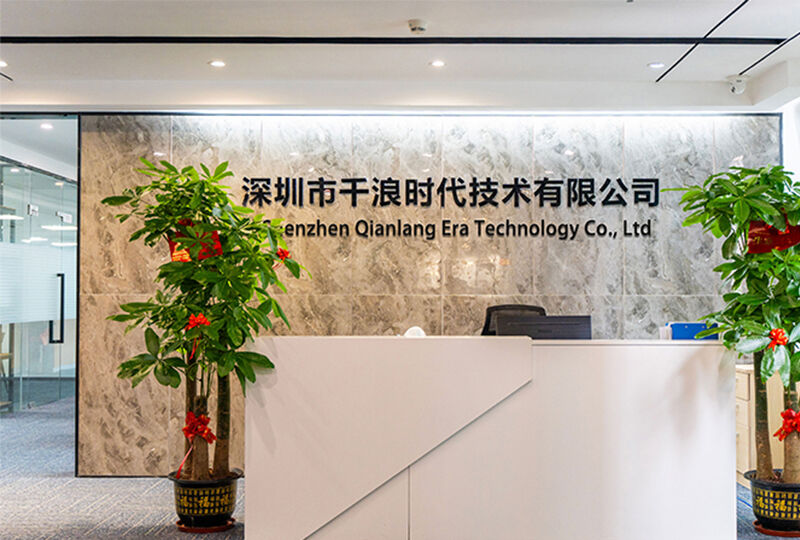
Shenzhen Qianlang Era Technology Co., Ltd. Shenzhen Qianlang Era Technology Co., Ltd.

Get a Free Quote

Our representative will contact you soon.
Email
Name
Company Name
Mobile/WhatsApp
Message
0/1000

connected electronics

Connected electronics represent a revolutionary transformation in how devices communicate, operate, and enhance our daily lives through seamless integration with internet connectivity and smart technologies. These innovative systems encompass a vast array of products including smart home devices, wearable technology, industrial sensors, automotive systems, and consumer appliances that share data and coordinate functions through wireless networks. The fundamental principle behind connected electronics lies in their ability to collect, process, and transmit information in real-time, creating an interconnected ecosystem that responds intelligently to user needs and environmental conditions. Modern connected electronics utilize advanced communication protocols such as Wi-Fi, Bluetooth, Zigbee, and cellular networks to maintain constant connectivity with other devices and cloud-based services. This technological foundation enables sophisticated features like remote monitoring, automated responses, predictive maintenance, and personalized user experiences. The core functions of connected electronics include data acquisition through integrated sensors, real-time processing capabilities, wireless communication protocols, and intelligent decision-making algorithms. These devices often incorporate artificial intelligence and machine learning technologies to adapt their behavior based on usage patterns and environmental factors. Applications span across residential, commercial, and industrial sectors, transforming everything from energy management and security systems to healthcare monitoring and entertainment platforms. In smart homes, connected electronics coordinate lighting, temperature control, security cameras, and entertainment systems to create personalized living environments. Industrial applications leverage these technologies for predictive maintenance, supply chain optimization, and quality control processes. Healthcare sectors benefit from continuous patient monitoring, medication reminders, and emergency response systems. The technological architecture of connected electronics typically includes microprocessors, wireless communication modules, sensors, actuators, and user interface components working together to deliver comprehensive solutions that bridge the physical and digital worlds.

New Product Releases

Connected electronics deliver transformative benefits that revolutionize how users interact with technology and manage their environments. These smart systems provide unprecedented convenience by automating routine tasks and enabling remote control capabilities that save time and reduce manual intervention. Users can monitor and control their devices from anywhere in the world through smartphone applications, creating flexibility that traditional electronics cannot match. Energy efficiency stands as a major advantage, as connected electronics optimize power consumption by learning usage patterns and adjusting operations accordingly, resulting in significant cost savings on utility bills. The enhanced security features of connected electronics provide peace of mind through real-time monitoring, instant alerts, and automated responses to potential threats or unusual activities. These systems create comprehensive safety networks that protect properties and personal information through encrypted communications and secure authentication protocols. Predictive maintenance capabilities prevent costly breakdowns by monitoring device performance and alerting users to potential issues before they become critical problems. This proactive approach extends equipment lifespan and reduces unexpected repair expenses. Connected electronics offer superior customization options, allowing users to create personalized experiences that adapt to individual preferences and lifestyle requirements. The systems learn from user behavior and automatically adjust settings to optimize comfort, productivity, and satisfaction. Data collection and analysis capabilities provide valuable insights into usage patterns, helping users make informed decisions about resource allocation and lifestyle improvements. Integration benefits create seamless ecosystems where multiple devices work together harmoniously, eliminating compatibility issues and simplifying user experiences. Remote troubleshooting and software updates ensure connected electronics remain current with latest features and security patches without requiring physical intervention. Cost-effectiveness emerges through reduced maintenance requirements, improved efficiency, and extended product lifecycles. Health and wellness monitoring capabilities track vital metrics and environmental conditions, promoting better living standards and early detection of potential health concerns. Business applications of connected electronics streamline operations, improve productivity, and enable data-driven decision making that enhances competitive advantages. The scalability of these systems allows for easy expansion and modification as needs evolve, protecting initial investments while accommodating future requirements.

Practical Tips

AI-Powered Consumer Electronics Pioneer: Shaping the Future of Smart Living

19

Dec

AI-Powered Consumer Electronics Pioneer: Shaping the Future of Smart Living

View More
Deep Voice: Travel-Focused AI Translation to Beat Language Barriers

02

Dec

Deep Voice: Travel-Focused AI Translation to Beat Language Barriers

View More
Unlock the Future of AI: Our Alibaba International Station Debuts a Game-Changing Portfolio of Smart Devices

27

Nov

Unlock the Future of AI: Our Alibaba International Station Debuts a Game-Changing Portfolio of Smart Devices

View More

Get a Free Quote

Our representative will contact you soon.
Email
Name
Company Name
Mobile/WhatsApp
Message
0/1000

connected electronics

Real-Time Monitoring and Control Capabilities

Real-Time Monitoring and Control Capabilities

The real-time monitoring and control capabilities of connected electronics represent one of their most compelling advantages, fundamentally changing how users interact with their devices and environments. This sophisticated feature enables continuous surveillance of device performance, environmental conditions, and user activities through integrated sensors and wireless communication systems. Users gain unprecedented visibility into their connected electronics' operational status, receiving instant notifications about changes, anomalies, or required actions through dedicated mobile applications or web interfaces. The monitoring aspect encompasses comprehensive data collection from multiple sensors that track temperature, humidity, motion, energy consumption, air quality, and numerous other parameters depending on the specific device type. This constant data stream provides detailed insights into usage patterns, efficiency metrics, and potential optimization opportunities that were previously impossible to obtain with traditional electronics. The control dimension allows users to make immediate adjustments to device settings, operational modes, and functional parameters from remote locations using internet connectivity. Whether adjusting thermostat settings while traveling, monitoring home security cameras during work hours, or controlling industrial equipment from offsite locations, this capability delivers unmatched convenience and operational flexibility. Advanced connected electronics systems incorporate predictive analytics that analyze historical data patterns to anticipate future needs and automatically adjust settings for optimal performance. This intelligent automation reduces the need for constant manual intervention while ensuring devices operate at peak efficiency. Emergency response capabilities represent another critical aspect, as connected electronics can detect unusual conditions and automatically trigger appropriate responses such as contacting emergency services, shutting down potentially dangerous equipment, or activating backup systems. The integration of artificial intelligence enhances these monitoring and control capabilities by learning user preferences and environmental patterns, enabling more accurate predictions and more personalized automated responses. Real-time alerts and notifications keep users informed about critical events, maintenance requirements, or security concerns, allowing for immediate action when necessary. This continuous connectivity creates a responsive ecosystem that adapts to changing conditions and user needs, delivering superior performance and user satisfaction compared to conventional electronics.
Seamless Integration and Ecosystem Connectivity

Seamless Integration and Ecosystem Connectivity

Seamless integration and ecosystem connectivity distinguish connected electronics as transformative solutions that create unified, intelligent environments where multiple devices communicate and coordinate their functions effortlessly. This revolutionary capability eliminates the traditional silos that existed between different electronic devices, enabling them to work together as cohesive systems that deliver enhanced functionality and user experiences. The foundation of this integration relies on standardized communication protocols and application programming interfaces that allow devices from different manufacturers to share data and coordinate actions seamlessly. Users benefit from centralized control systems that manage multiple connected electronics through single interfaces, simplifying operation and reducing the complexity associated with managing numerous individual devices. Smart home ecosystems exemplify this integration, where lighting systems, HVAC equipment, security cameras, entertainment devices, and kitchen appliances coordinate their operations based on user preferences, time schedules, and environmental conditions. For instance, a connected electronics system can automatically adjust lighting, temperature, and music when detecting a user's arrival home, creating personalized welcome sequences that enhance comfort and convenience. Industrial applications leverage ecosystem connectivity to optimize production processes, where connected electronics monitor equipment performance, coordinate maintenance schedules, and automatically adjust operational parameters to maintain optimal efficiency and product quality. The interoperability aspect ensures that users can gradually expand their connected electronics ecosystems without worrying about compatibility issues or technical limitations. Cloud-based platforms serve as central coordination hubs that enable connected electronics to access shared resources, historical data, and advanced analytics capabilities that individual devices could not provide independently. This connectivity extends beyond local networks to include integration with third-party services, weather data, traffic information, and social media platforms, creating comprehensive systems that respond to both internal conditions and external factors. Advanced ecosystem connectivity enables sophisticated automation scenarios where connected electronics anticipate user needs and proactively adjust their operations. Machine learning algorithms analyze usage patterns across the entire ecosystem, identifying optimization opportunities and automatically implementing improvements that enhance performance and user satisfaction. The scalability of integrated ecosystems allows users to start with basic connected electronics configurations and gradually expand their systems as needs evolve, protecting initial investments while providing clear upgrade paths for future enhancements.
Advanced Data Analytics and Intelligent Automation

Advanced Data Analytics and Intelligent Automation

Advanced data analytics and intelligent automation capabilities position connected electronics at the forefront of technological innovation, transforming raw data into actionable insights that drive superior performance and user experiences. These sophisticated systems continuously collect vast amounts of operational data from integrated sensors, user interactions, and environmental monitoring systems, creating comprehensive datasets that reveal patterns, trends, and optimization opportunities invisible to traditional electronics. The analytics engine processes this information using machine learning algorithms and artificial intelligence technologies that identify correlations, predict future behaviors, and recommend optimal operational parameters. Users benefit from detailed performance reports, energy consumption analysis, and usage pattern insights that enable informed decision-making about device configuration, maintenance schedules, and operational strategies. Intelligent automation builds upon these analytics capabilities by implementing automated responses that optimize device performance without requiring constant user intervention. Connected electronics learn from historical data to anticipate user needs, environmental changes, and system requirements, proactively adjusting their operations to maintain optimal performance levels. Predictive maintenance represents a critical application where analytics identify potential equipment failures before they occur, enabling preventive measures that avoid costly breakdowns and extend device lifecycles. These systems monitor performance metrics, vibration patterns, temperature variations, and usage statistics to detect early warning signs of component degradation or operational inefficiencies. Energy optimization algorithms analyze consumption patterns and automatically adjust device operations to minimize power usage while maintaining required performance levels, resulting in significant cost savings and environmental benefits. Personalization features utilize analytics to understand individual user preferences and automatically configure device settings that match specific needs and lifestyle requirements. The automation capabilities extend to complex scenarios where multiple connected electronics coordinate their actions based on comprehensive analysis of system-wide conditions and user preferences. Security applications leverage analytics to detect unusual activity patterns, identify potential threats, and automatically implement protective measures such as access restrictions or alert notifications. Quality control processes in industrial environments utilize these capabilities to monitor production parameters, detect deviations from optimal conditions, and automatically adjust manufacturing processes to maintain consistent product quality. The continuous learning aspect ensures that connected electronics become more intelligent and efficient over time, adapting their automation strategies based on accumulating experience and changing user requirements. Integration with external data sources such as weather forecasts, traffic conditions, and market information enables connected electronics to make informed decisions that consider broader contextual factors beyond immediate operational parameters.

Get a Free Quote

Our representative will contact you soon.
Email
Name
Company Name
Mobile/WhatsApp
Message
0/1000