 EN
EN

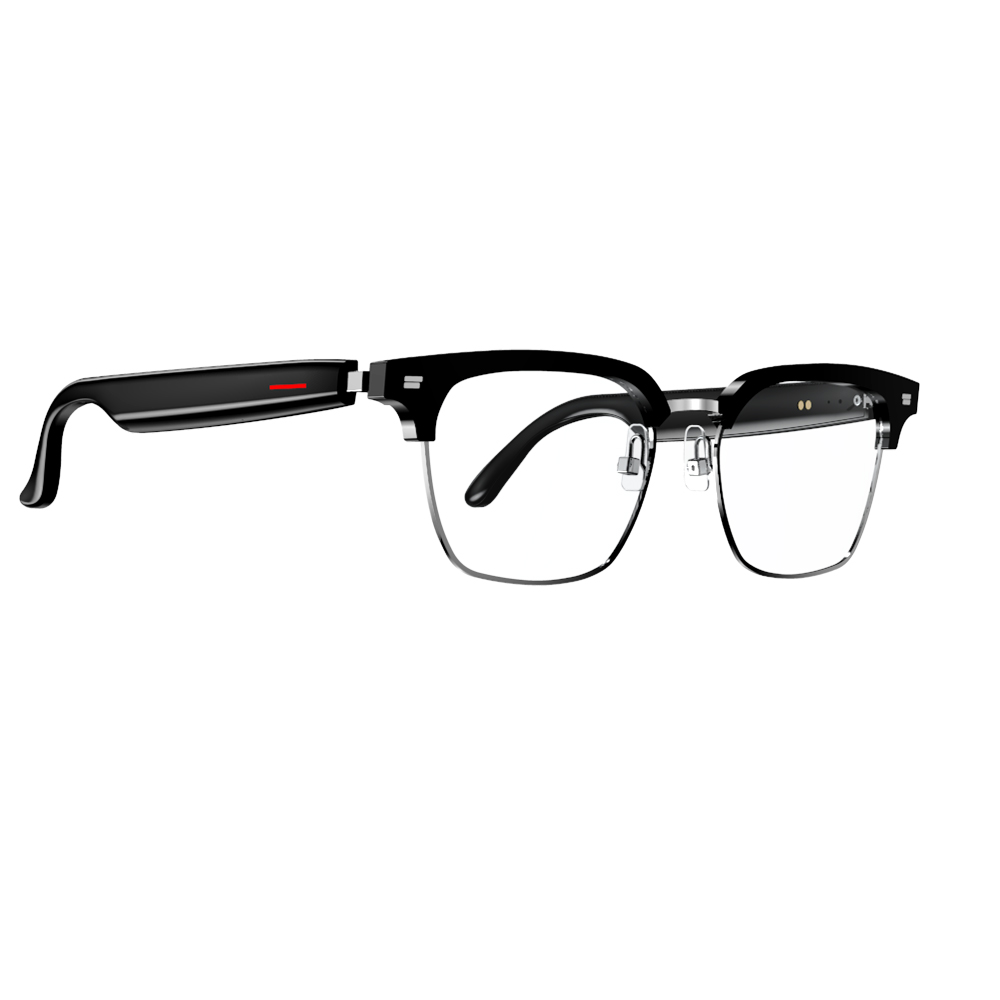
Smart glasses have moved from science fiction novelty to genuinely useful everyday tools, and two features dominate the conversation: AR navigation and real-time translation. Both promise to free your hands and your attention from a phone screen, but they solve very different problems. When people ask AR navigation vs real-time translation: which smart glasses feature is more practical and truly hands-free?, the honest answer depends on how you define "practical" and how strictly you define "hands-free." This article breaks down both features so you can decide which one actually earns a place in your daily routine.

What AR Navigation Actually Delivers
AR navigation overlays directional cues directly onto your field of vision, projecting arrows, distances, and turn indicators onto the real world instead of forcing you to glance down at a phone map. For pedestrians walking through unfamiliar cities, cyclists navigating busy intersections, or delivery drivers juggling multiple stops, this is a meaningful upgrade over pulling out a phone at every corner. The technology relies on GPS, compass sensors, and increasingly on computer vision to align digital markers with physical landmarks, which means accuracy depends heavily on signal strength and environmental clarity.
In practice, AR navigation shines most in outdoor, open environments where GPS signals are strong and reliable. Indoors, in dense urban canyons, or in areas with poor satellite reception, the overlay can drift or lag, undermining the hands-free promise it's built on. Battery drain is another consideration, since continuous GPS tracking combined with a bright display is one of the most power-intensive tasks smart glasses perform. Still, for road trips, hiking, and city exploration, AR navigation offers a genuinely different experience than checking a phone screen every few minutes.
What Real-Time Translation Actually Delivers
Real-time translation uses onboard microphones and AI language models to convert spoken words into subtitles displayed in your glasses, or in some cases, into spoken audio through bone-conduction speakers. This feature targets a very specific but high-value scenario: face-to-face conversation across a language barrier. Instead of holding up a phone to type or record, users can maintain eye contact while text or audio translation happens almost instantaneously.
The practicality of real-time translation depends heavily on network conditions and processing power. Cloud-based translation models tend to be more accurate but require stable internet connectivity, while on-device processing works offline but often sacrifices some translation quality for speed. Background noise, overlapping speech, and strong accents can also reduce accuracy, which matters a great deal in busy markets, airports, or restaurants where clear communication is exactly why someone reaches for this feature in the first place. When it works well, though, real-time translation feels closer to true hands-free technology than almost any other AR feature, because it requires zero manual interaction once activated.
Comparing Hands-Free Performance
The phrase "hands-free" gets used loosely across the smart glasses industry, so it's worth examining what it means for each feature. AR navigation is hands-free in the sense that you don't need to hold a device, but your eyes are still doing active work interpreting overlaid graphics while you walk or drive. Real-time translation, by contrast, often requires only your ears and voice, making it arguably more hands-free in the truest sense, since your visual attention can stay on the person you're speaking with rather than on a screen.
This distinction matters when evaluating AR navigation vs real-time translation: which smart glasses feature is more practical and truly hands-free, because practicality isn't just about touch-free operation. It's about cognitive load. Navigation demands spatial attention split between the real world and digital overlays, while translation demands auditory processing that runs mostly in the background. Neither is perfect, but translation tends to interrupt your natural behavior less than navigation does.
Which Feature Wins for Everyday Use
For most consumers, the deciding factor comes down to frequency and context of use. Someone who travels internationally several times a year, attends multilingual business meetings, or lives in a multicultural city will get more consistent value from real-time translation. Someone who commutes by bike, drives frequently in unfamiliar areas, or hikes regularly will find AR navigation more essential to their routine.
It's also worth noting that battery life and processing demands affect both features similarly, so smart glasses that try to do both simultaneously often struggle to do either exceptionally well. Manufacturers are still optimizing chipsets and sensor arrays to reduce this trade-off, but as of now, users typically get better results by prioritizing the feature that matches their lifestyle rather than expecting flawless performance from both at once.
Ultimately, when comparing AR navigation vs real-time translation: which smart glasses feature is more practical and truly hands-free, there's no universal winner. Navigation offers stronger spatial utility outdoors, while translation offers a more natural, uninterrupted hands-free experience during conversation. The most practical choice is the one that solves a problem you actually face on a regular basis.
FAQ
Is AR navigation accurate indoors?
Not consistently. AR navigation relies heavily on GPS signal strength, so indoor environments, tunnels, and dense urban areas often reduce accuracy and cause overlay drift.
Does real-time translation work without internet access?
Some smart glasses offer offline translation using on-device processing, but accuracy and language coverage are usually better with a stable internet connection for cloud-based models.
Which feature drains battery faster?
AR navigation typically consumes more power due to continuous GPS tracking combined with a bright visual display, while translation is generally lighter on battery unless used for extended conversations.
Can smart glasses run both features at the same time?
Technically yes, but running both simultaneously increases processing demands and battery drain, which can reduce performance and responsiveness in either feature.
Which feature is better for travelers?
It depends on the trip. Travelers navigating unfamiliar cities benefit more from AR navigation, while those in non-English-speaking regions often rely more heavily on real-time translation.