 EN

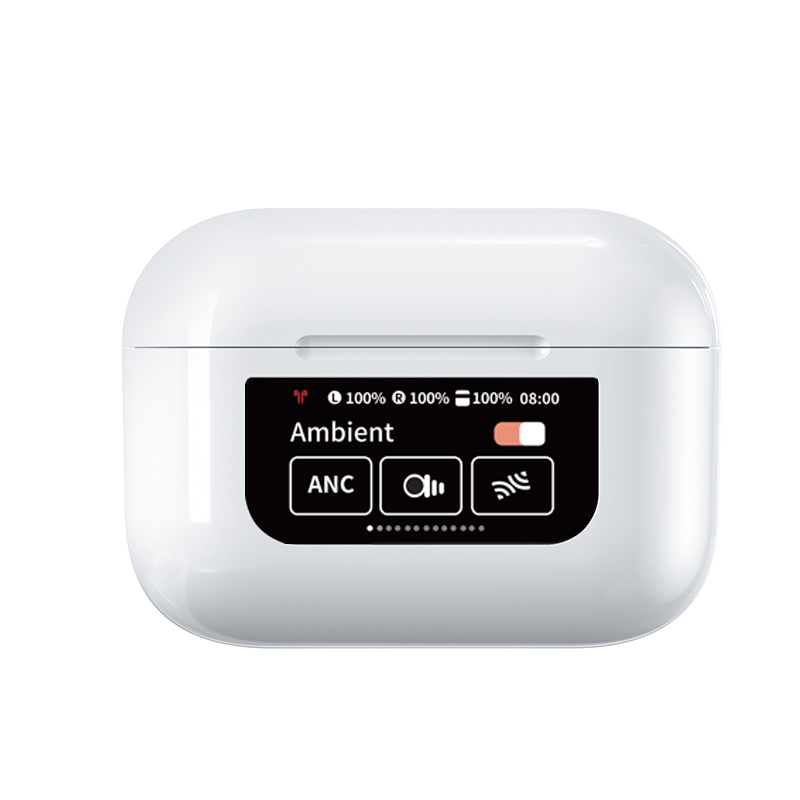
A readiness score can help translate overnight observations into a more informed training choice, but it is not a command to train hard or rest. Useful readiness score interpretation starts by understanding what the score summarizes, how recovery metric inputs changed, and whether those changes fit your recent training and how you feel today.
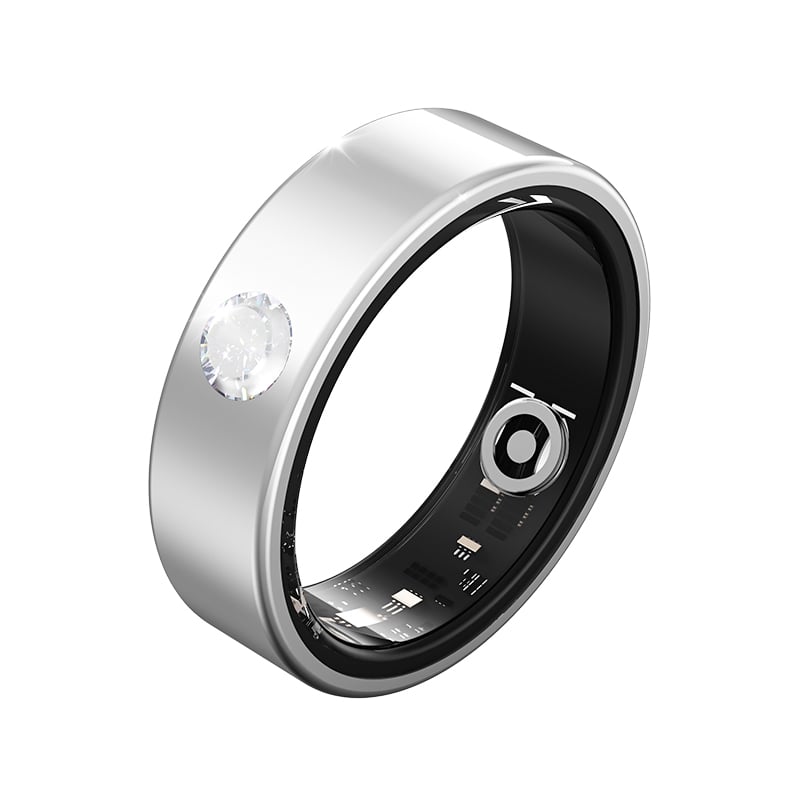
For coaches, athletes, and active professionals, the practical goal is to use the score as context for training load decisions rather than as a standalone prescription. A smart ring can collect sleep and physiological signals over time, helping users notice patterns. Interpreting those patterns well means comparing today with a personal baseline, not treating one unusual reading as a diagnosis.
Understand what the score represents
Read the score as a summary, not a verdict
A readiness score generally compresses several measurements into a simple indication of how prepared the body may be for usual demands. Readiness score interpretation is strongest when the number is treated as a prompt to review underlying trends. It cannot directly measure motivation, technique, soreness, or the quality of a planned session, so the score should inform judgment rather than replace it.
Start by checking whether the score is near your normal range, notably above it, or clearly below it. The same value can mean different things for different people because baselines, routines, and devices differ. For training load decisions, compare the score with recent workload and current symptoms, then decide whether to follow the original plan, adjust it, or gather more information.
Separate daily variation from a meaningful pattern
A single night may be affected by a late meal, travel, alcohol, illness, a warm room, or an unusual bedtime. Readiness score interpretation should therefore emphasize repeated movement across several days instead of reacting to every fluctuation. Review whether the change persists and whether it appears alongside lower energy, disrupted sleep, or unusual effort during familiar activities.
The display is most useful when your routine is consistent enough to establish a reference. If sleep timing changes often, or the device is worn inconsistently, confidence in comparisons can fall. Keep those limitations in view when making training load decisions; a lower score after a disrupted night may justify caution, but it does not prove that a hard session is unsafe.
Evaluate the recovery signals behind the number
Connect physiological readings with sleep context
Recovery metric inputs may include measures related to resting heart rate, heart rate variability, sleep duration, and sleep timing, depending on the device and its scoring method. Check which signals are available before drawing conclusions. A shift in one measure is more informative when you can see whether other recovery metric inputs changed in the same direction.
For example, a higher-than-usual resting heart rate combined with shorter sleep can support a cautious interpretation, especially after demanding training. Yet readings can also vary with stress, environment, hydration, and measurement conditions. Strong readiness score interpretation considers these influences and avoids assigning a single cause to a score change without corroborating evidence.
Use personal baselines and data quality checks
Recovery metric inputs become easier to interpret after you have collected consistent observations over time. Review your own typical range rather than relying on generic thresholds, and note changes in routine that could distort comparisons. If the ring was loose, removed overnight, or charged during the measurement period, treat affected readings as incomplete rather than definitive.
Consider the direction, size, and duration of a change, not just whether a metric is labeled favorable or unfavorable. Several modest shifts that persist may matter more than one sharp but isolated deviation. This approach makes readiness score interpretation more practical and keeps training load decisions grounded in a fuller view of recovery metric inputs.
Translate readiness into a training adjustment
Match the response to the planned session
First identify the purpose and cost of the planned workout. A technical practice, easy aerobic session, and high-intensity interval workout place different demands on the body. When a score is lower than usual, training load decisions can involve reducing intensity, shortening the session, or preserving easy movement while postponing demanding work.
A normal or favorable score does not automatically justify extra volume. Readiness score interpretation should sit alongside the training plan, recent workload, and how the warm-up feels. If several recovery metric inputs look stable and the athlete feels normal, the planned session may be reasonable; avoid adding intensity simply because a device signals readiness.
Combine device feedback with human judgment
Before a demanding session, compare the score with perceived energy, muscle soreness, mood, and performance during the warm-up. These observations are not competing evidence; together they make training load decisions more informed. If the device looks reassuring but the person feels ill or unusually fatigued, prioritize symptoms and consider professional guidance when concerns persist.
Keep a brief record of the score, recovery metric inputs, session type, and response afterward. Over time, this can reveal which combinations tend to precede strong sessions or difficulty recovering. Use those observations to refine readiness score interpretation without assuming that past associations guarantee the same outcome every time.
FAQ
Should a low readiness score cancel a workout?
Not necessarily. Readiness score interpretation depends on the score’s trend, underlying recovery metric inputs, symptoms, and session demands. A modest adjustment may be more suitable than canceling activity, while illness or pronounced fatigue calls for greater caution.
How many recovery readings should guide a decision?
Look for patterns across multiple nights where possible, while considering how you feel on the day. Combine recovery metric inputs with the planned workout and recent workload; training load decisions should not depend on a single reading alone.
Can a high score justify increasing training load?
A high score is useful context, not permission to exceed a progressive plan. Make training load decisions using readiness, symptoms, and recent adaptation together, and increase demands gradually rather than responding to one favorable result.