 EN

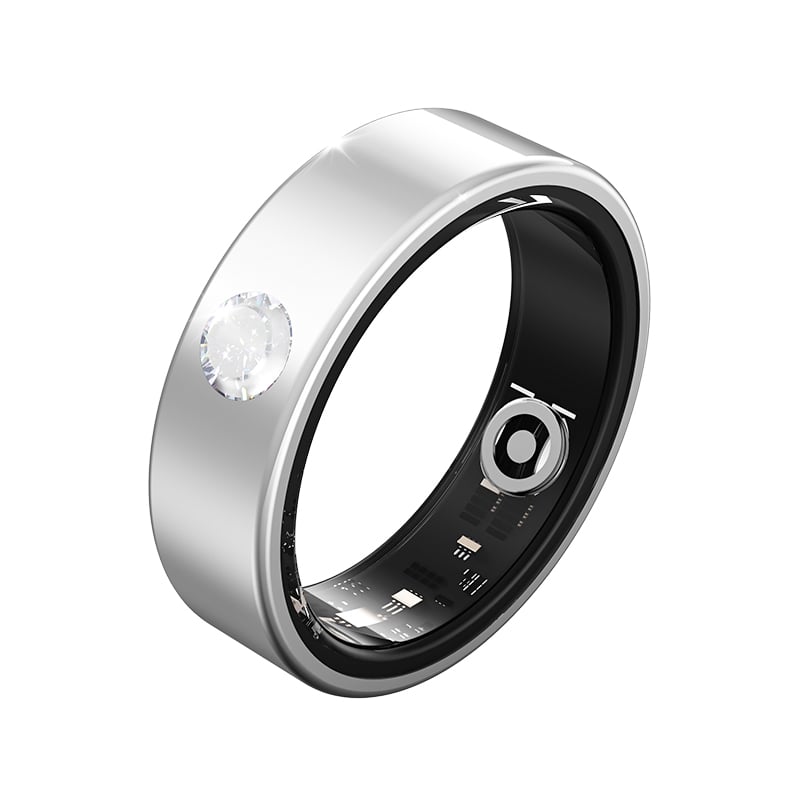
A smart ring can make overnight wellness tracking convenient, but its blood oxygen estimates are not a diagnosis or a direct view of every moment of breathing. Interpret them as trend data collected under specific conditions, then consider symptoms, sleep context, device fit, and any relevant altitude change before drawing conclusions. The goal is to understand what a pattern may suggest, not to treat one number as a medical verdict.
That distinction matters especially when readings shift after travel, during poor sleep, or alongside illness. Oxygen reading limitations affect what a device can capture, while altitude measurement effects can reflect genuine adaptation as well as changes in conditions. A careful interpretation connects the reading to timing and circumstances, compares repeated results, and avoids changing treatment based on a wearable alone.
Understand what a ring estimate represents
Read patterns rather than isolated values
Blood oxygen estimates from a wearable are calculated from light signals at the finger and an algorithm, rather than measured from a blood sample. A smart ring may sample at intervals, often when movement is limited, so a displayed value represents an estimate during captured periods rather than continuous clinical monitoring. Blood oxygen estimates are most useful when reviewed over several comparable nights, not when a single low point is treated as a definitive finding.
For meaningful comparison, check whether the device was worn consistently and whether sleep duration, hand position, and routine were broadly similar. Oxygen reading limitations can make a brief dip difficult to interpret, especially if the signal was weak or the wearer moved. A repeated change across several nights deserves more attention than one irregular point, but the pattern still needs context. Blood oxygen estimates describe recorded data; they do not establish why a change occurred.
Separate signal quality from health meaning
Finger temperature, circulation, fit, and motion can affect the optical signal. A ring that rotates, sits loosely, or presses uncomfortably may produce inconsistent contact. These oxygen reading limitations are practical, not proof that the wearer has a health problem. If the app indicates missing or low-quality data, treat the result cautiously rather than trying to infer a precise oxygen level from incomplete sampling.
Before comparing results, confirm that the ring fits securely without restricting circulation, is positioned as its instructions specify, and has enough battery for the full recording period. Blood oxygen estimates may vary if fit or skin contact changes from one night to another. Repeated oxygen reading limitations can also arise from movement during sleep, so a restless night may be less comparable with a calm one. Keep the conditions alongside the values in mind.
Interpret readings with altitude and context
Account for a change in elevation
At higher elevation, lower air pressure means less oxygen is available with each breath. The body may respond over time, and an early reading after arrival may differ from one taken at a familiar elevation. Altitude measurement effects therefore include both a real environmental change and the challenge of comparing results from unlike settings. Blood oxygen estimates should be interpreted against the wearer’s recent baseline and location, not as if every night had identical conditions.
A trip from low elevation to a mountain community can change sleep, activity, hydration, and acclimatization at once. Those factors make it difficult to attribute a shift to altitude alone. Altitude measurement effects are best assessed by noting when the elevation changed, how long the person has been there, and whether the pattern persists. Oxygen reading limitations remain relevant because a ring is still collecting intermittent optical data under real-world conditions.
Avoid comparing one night at altitude with a long-term average without marking the change in setting. Blood oxygen estimates can appear different during the first nights at elevation and may change as the body adjusts, but an app cannot determine whether a person is acclimatizing safely. Altitude measurement effects describe a factor in interpretation, not a reason to dismiss concerning symptoms. A smart ring can add context to a personal log, but it cannot replace clinical assessment.
Use a consistent comparison window
For a useful comparison, look at several nights in the same general location and note travel, exercise, alcohol, sleep disruption, and respiratory symptoms. These details help distinguish a persistent pattern from a short-lived fluctuation. Altitude measurement effects can be easier to recognize when the timeline records arrival and return dates. Blood oxygen estimates across a stable period provide a more relevant personal reference than a single reading drawn from a different environment.
Also check whether the ring recorded enough usable data each night. A missing segment should not be treated as a normal value, and a sudden change after a fit adjustment may be a signal-quality issue. Oxygen reading limitations can make close comparisons unreliable when data quality differs. If results remain unusual, consider repeating the observation under consistent conditions rather than repeatedly checking isolated readings throughout the day.
Make cautious, practical decisions
Use the reading as a prompt, not a diagnosis
A wearable can help identify a pattern worth discussing, but it cannot confirm low blood oxygen or explain its cause. Blood oxygen estimates should be considered alongside how the person feels and any medical guidance already in place. If there is significant breathlessness, chest pain, confusion, blue-tinged lips, or another urgent symptom, seek prompt medical help instead of waiting for a ring trend to settle. Oxygen reading limitations are one reason symptoms take priority.
For a non-urgent but persistent change, save the dates, location, and relevant circumstances, then share the information with a qualified clinician if appropriate. Explain whether the change began after travel or occurred at a familiar elevation. Altitude measurement effects may inform that conversation, but the wearable cannot distinguish acclimatization from illness. Avoid starting, stopping, or adjusting medication solely because an app displays a particular estimate.
Keep records useful and proportionate
A simple record of sleep dates, elevation changes, symptoms, and ring fit can make trends easier to discuss without overreacting to every fluctuation. Compare periods with similar recording conditions, and note when those conditions are not similar. Blood oxygen estimates are most useful as one part of a broader picture, while altitude measurement effects help explain why travel readings may not match a home baseline. This approach keeps the data informative without giving it more certainty than it has.
The smart ring is a wellness tool, so follow its instructions and understand how its app presents sampled measurements. Look for repeated patterns rather than chasing a particular target from night to night. Oxygen reading limitations apply even when a graph looks precise, and altitude measurement effects add another layer of context. When a reading conflicts with symptoms or medical advice, rely on professional guidance rather than the wearable display.
FAQ
Can one low ring reading confirm low blood oxygen?
No. Blood oxygen estimates are wearable readings, not a clinical diagnosis, and a single result can be affected by movement, fit, or signal quality. Oxygen reading limitations mean a repeated pattern and the person’s symptoms matter more than an isolated value. Seek medical advice when readings concern you, and seek urgent care for severe symptoms.
Why might readings change after traveling to high elevation?
Lower air pressure at elevation changes the oxygen available in each breath, and the body may need time to adjust. Altitude measurement effects can therefore influence a reading, while sleep and activity changes may contribute too. Compare several nights in context; blood oxygen estimates cannot determine whether a response is medically safe.
Should I compare ring readings with a different device?
Different devices may use different sensors, sampling schedules, and algorithms, so values are not automatically interchangeable. Oxygen reading limitations apply to consumer wearables, and altitude measurement effects may make comparisons across locations harder still. If a result affects a health decision, ask a clinician which measurement method is appropriate instead of relying on device-to-device agreement.