 EN

Accurate ring size measurement is the starting point for a smart ring that stays comfortable and maintains reliable contact with your finger. A ring that is too loose may shift during normal movement, while one that is too tight can become uncomfortable as your hand changes through the day. Measure systematically, then confirm the result with a realistic wear test.
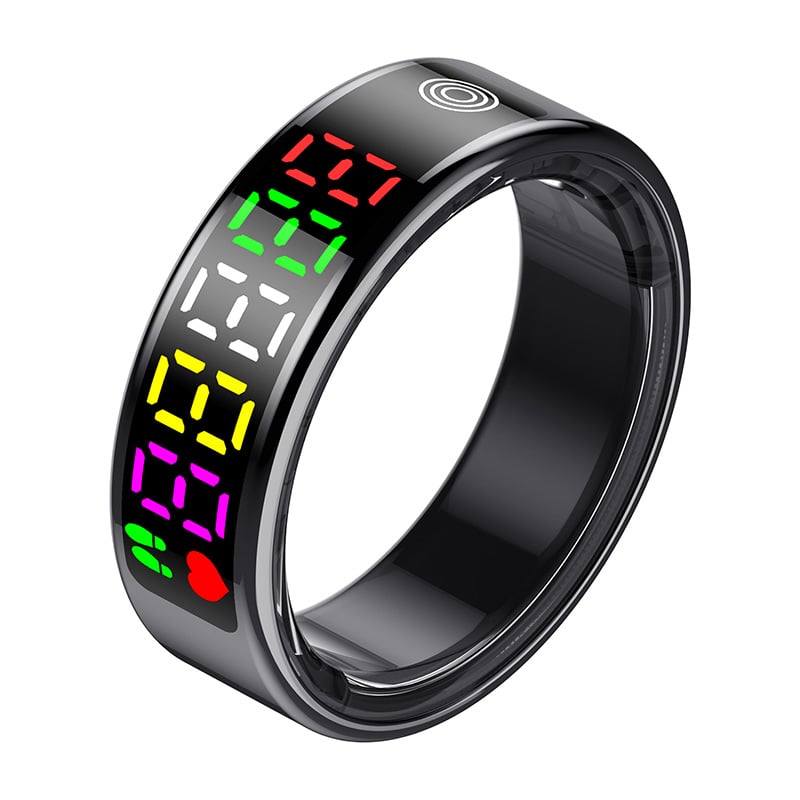
The most dependable approach combines careful ring size measurement, a fit check using the actual sizing kit, and an allowance for normal finger changes. Sizing kit accuracy depends on more than the printed size: wear duration, finger choice, and time of day all matter. Treat finger swelling allowance as a practical comfort check, not a reason to guess larger.
A repeatable measurement process
Choose the right finger and measure consistently
Begin by identifying which finger will wear the device, since the same finger can differ between hands. For ring size measurement, use that exact finger rather than transferring a measurement from a conventional ring. Check that the measuring tool sits where the smart ring will rest, usually near the base, and record the result without pulling the tool tight.
Take more than one reading, removing and repositioning the tool between attempts. Ring size measurement is more useful when repeated results agree; if they vary, check that the tool is flat and not twisted. Include finger swelling allowance by repeating the check at another time of day, especially if your fingers often feel fuller after activity or in warm conditions.
Use the knuckle as a fit constraint
The ring must pass over the knuckle and sit securely at the base. A ring size measurement that fits the base but cannot pass the knuckle is not a workable result. Conversely, sizing only for the knuckle may leave the ring loose at the base. Look for a size that moves over the knuckle with mild resistance and does not spin freely once seated.
Check the fit with your hand relaxed and then with fingers slightly bent. Sizing kit accuracy improves when the test reflects these everyday positions rather than a single quick try-on. Consider finger swelling allowance as you judge resistance: a snug fit should still come off without pain. If you must force the ring or repeatedly twist it to remove it, reassess the size.
Assessing a sizing kit in real use
Wear the sample ring through normal activities
A kit provides a physical reference, but a few minutes of wear cannot show every fit issue. To assess sizing kit accuracy, wear the sample on the intended finger during ordinary work, meals, and movement. Notice whether it rotates, catches, or presses into adjacent fingers. Ring size measurement should be confirmed by comfort during use, not by appearance alone.
Test the sample for a substantial part of a normal day, and if possible repeat on another day. Sizing kit accuracy is easier to judge when you observe the ring at different times and in familiar conditions. Keep the sample in its intended orientation if the design has a specific sensor area. A stable fit matters because frequent rotation can change how the device sits against the finger.
Interpret movement and contact together
A sample that slides slightly when your hand is wet may still fit well, while constant rotation on a dry hand can signal excess space. Ring size measurement should balance secure placement with easy removal. Do not use forceful gripping as your only test; that can temporarily change finger shape and distort the result. Check ordinary tasks such as typing, carrying objects, and making a relaxed fist.
Sizing kit accuracy also depends on whether the sample matches the finished ring’s width and shape. A wider band can feel tighter than a narrow one at the same nominal size, so follow the kit instructions for the product you intend to wear. If sizing options feel borderline, document what you notice rather than relying on memory, including movement, pressure, and finger swelling allowance.
Allowing for daily finger changes
Measure under representative conditions
Finger circumference can change with temperature, activity, hydration, and time of day. Check ring size measurement when your hands are at a comfortable, typical temperature, not immediately after exposure to unusual heat or cold. Finger swelling allowance means confirming that the fit remains comfortable during ordinary variation; it does not mean automatically selecting a loose ring that may slip during the rest of the day.
If you notice predictable changes, repeat the sample-ring check when your fingers are usually fuller. This helps establish a practical finger swelling allowance without overreacting to a one-off condition. Sizing kit accuracy benefits from comparing both a typical period and a naturally fuller period. A fit that remains secure yet can be removed comfortably across both conditions is a more useful guide than one isolated measurement.
Make the final size decision
Bring the evidence together: repeated ring size measurement, comfort during daily wear, passage over the knuckle, and the way the ring sits at the base. Choose based on the intended finger and the product’s sizing guidance. If two sizes seem plausible, compare them with the kit under the same conditions rather than switching fingers or relying on a measurement from another ring.
A careful finger swelling allowance protects comfort, but too much extra space can undermine stable positioning. Recheck sizing kit accuracy by confirming the sample does not spin freely and does not create persistent pressure. Before placing an order, follow the product instructions for sensor orientation and fit. For a device such as a smart ring, a considered fit decision is more dependable than choosing a size from a quick circumference reading alone.
FAQ
When is the best time to take a ring measurement?
Measure when your hands are at a normal, comfortable temperature, then repeat later to compare. Ring size measurement taken at more than one time can reveal everyday variation. If the fit changes noticeably, consider finger swelling allowance and test the sizing sample again before deciding.
How long should I wear a sizing sample?
Wear it during ordinary activities long enough to notice pressure, rotation, and removal comfort. Sizing kit accuracy is better assessed through realistic use than a brief fitting. Check the ring at different times, and include finger swelling allowance in your comfort assessment.
Should I choose the larger size if I am between sizes?
Not automatically. Compare both samples on the intended finger and follow the product’s sizing instructions. Ring size measurement, sizing kit accuracy, and finger swelling allowance should be considered together; the preferred fit should stay comfortably in place without painful removal or persistent looseness.